
The 2026 Canton Fair is set to showcase the cutting-edge of manufacturing technology, particularly in the Cutting Machine sector. Dr. John Lee, a renowned expert in industrial machinery, emphasizes, "The future of cutting machines lies in automation and precision." This year's event will highlight innovations that redefine how materials are processed.
With an expansive exhibition space of 1.55 million square meters, the fair introduces AI-driven features. Attendees can efficiently find suppliers with crucial qualifications like ISO and CE certifications. This efficiency is vital in a competitive market. However, not all companies may be ready to adapt to these technological advancements, leading to missed opportunities.
While the fair promises advancements, it also highlights challenges. Smaller cutting machine manufacturers might struggle to keep pace. They may find it hard to showcase their innovations effectively. As the industry evolves, reflection on adaptability becomes essential for success. Embracing change in the Cutting Machine sector will determine competitive standing.
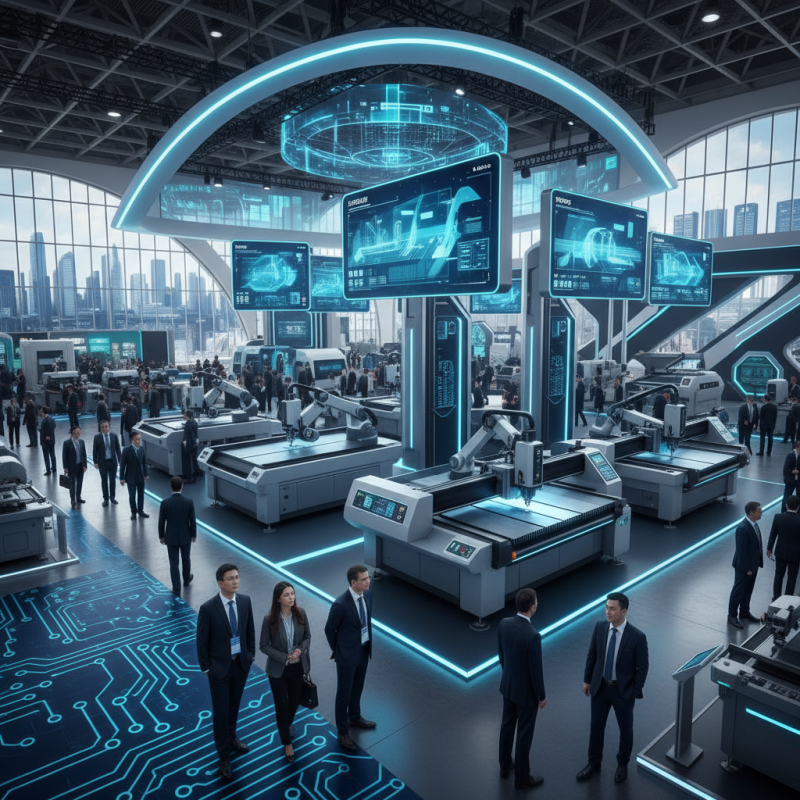
A cutting machine is a versatile tool used across various industries. It allows users to cut materials like wood, metal, fabric, and plastic with precision. At the 2026 Canton Fair in China, this machine may show its evolution. Innovations are likely to improve accuracy and speed.
These machines often come in different types, such as laser cutters, plasma cutters, and fabric cutters. Each type serves a specific purpose and material. The complexity of the machine can impact user experience. Some users find it challenging to operate advanced models without proper training.
The efficiency of a cutting machine can significantly boost production. However, the learning curve might frustrate some operators. Mistakes can happen. For instance, incorrect settings can lead to wasted materials and time. Businesses may need to invest in training to optimize their machines fully. This investment may pay off in the long run, but the process will require careful consideration.
The 2026 Canton Fair in China showcased various cutting machines, attracting industry professionals worldwide. These machines are crucial for manufacturing sectors like textiles, metalworking, and woodworking. They enhance efficiency and precision in production processes. Reports from industry analysts indicate a projected growth of 7% in cutting machine demand by 2028.
Key features of the cutting machines displayed included advanced automation and user-friendly interfaces. Many machines now feature smart technology, enabling real-time monitoring and adjustments. This leads to reduced waste and increased productivity. However, some users noted that the learning curve for these systems can be steep, presenting challenges during initial implementation.
Furthermore, energy efficiency remains a significant consideration. The latest models demonstrate a reduction in energy consumption, appealing to sustainability-focused companies. Yet, not all machines meet these efficiency standards, emphasizing the need for thorough evaluation. As manufacturers grapple with these advancements, the right balance between innovation and practicality is essential for long-term success.
At the 2026 Canton Fair in China, cutting machines are set to showcase groundbreaking innovations. These advancements promise to revolutionize various industries. From textiles to metals, cutting technology is becoming more efficient and precise. New software integrations allow for real-time adjustments, enhancing productivity.
Tips: Consider how much waste your current machine generates. Sometimes, older technology can lead to higher material costs.
Some machines now feature automation. This reduces human error and speeds up production lines. However, not all workers may be ready for automation. Training will be crucial to bridge this gap.
Tips: Look for equipment that offers user-friendly interfaces. A steep learning curve can slow down your operations.
Additionally, eco-friendly cutting solutions are on the rise. They minimize environmental impact while maintaining quality. Users are encouraged to examine the sustainability of their cutting practices. This reflection can lead to better choices in the long run.
Cutting machines play a vital role across many industries. In the textile sector, these machines are essential for precise fabric cutting. They ensure that patterns are replicated accurately, reducing waste considerably. A well-cut fabric can enhance production efficiency and save costs.
In the metalworking industry, cutting machines have revolutionized processes. They can slice through metal with ease, allowing for intricate designs. These machines improve safety by minimizing the need for manual cutting. However, operators must be trained rigorously. Improper handling could lead to accidents. Not every operator understands the machines perfectly.
In packaging, cutting machines contribute significantly as well. They allow for the creation of custom boxes and labels. This enhances branding and product presentation. Yet, technology evolves rapidly. Companies need to keep adapting to new advancements. Some industries still struggle with outdated equipment. Continuous improvement is crucial in these rapidly changing fields.
The Cutting Machine plays a crucial role in manufacturing efficiency. A recent report from the International Manufacturing Association highlights that using advanced cutting machines can improve production speed by over 30%. This increase is essential for industries like automotive and textiles, where precision and efficiency directly impact profit margins.
In addition, cutting machines reduce material waste significantly. Data shows companies can save up to 20% on materials by utilizing high-quality cutting technologies. These machines offer accurate cuts, minimizing leftover scraps. However, not all manufacturers adopt the latest technology. Many still rely on outdated methods, resulting in slower processes and higher costs.
Furthermore, the need for training employees on new cutting machines is often overlooked. Effective use of technology requires proper understanding. Without training, the potential of cutting machines might not be fully realized. This gap can lead to frustration and inefficiencies in production lines. Investing in both machines and training is crucial for maximizing benefits in manufacturing.
sale@harbertpump.com,
sale@harbertpump.com