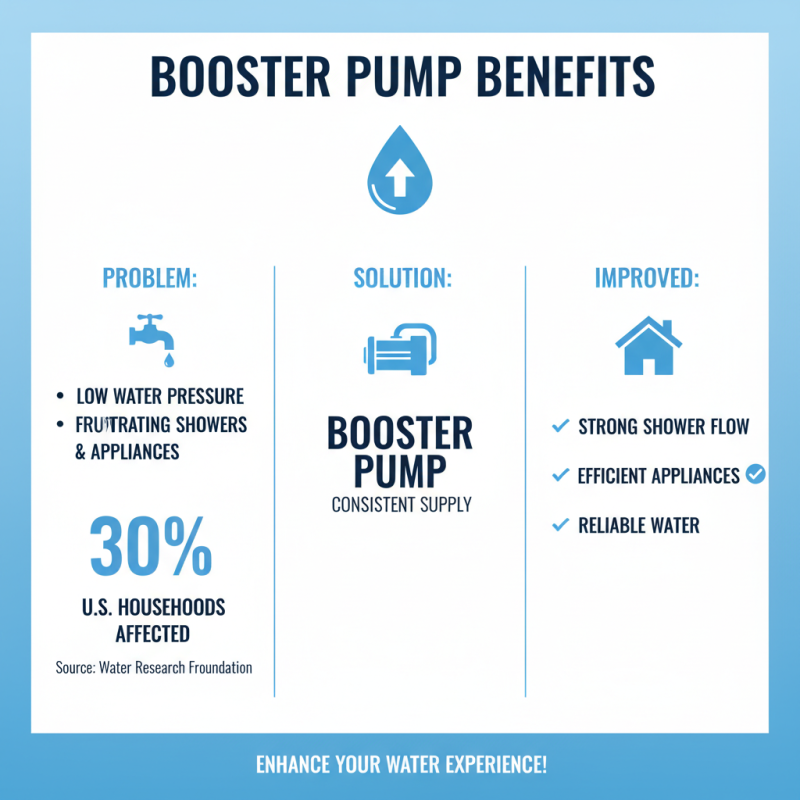
When it comes to water supply, many homeowners face challenges. Low water pressure can be a frustrating issue. This is where a booster pump becomes essential.
Imagine turning on a faucet and getting a weak trickle instead of a strong flow. It’s inconvenient for daily tasks, from showering to washing dishes. A booster pump increases water pressure, ensuring a steady supply.
In addition, booster pumps are not one-size-fits-all solutions. Some users may find that their pump struggles to keep up with demand. Proper sizing and installation are crucial for optimal performance. Investing in the right booster pump can greatly enhance your water experience. Ultimately, it’s about making your home comfortable and functional, even if it requires a bit of research and adjustments along the way.
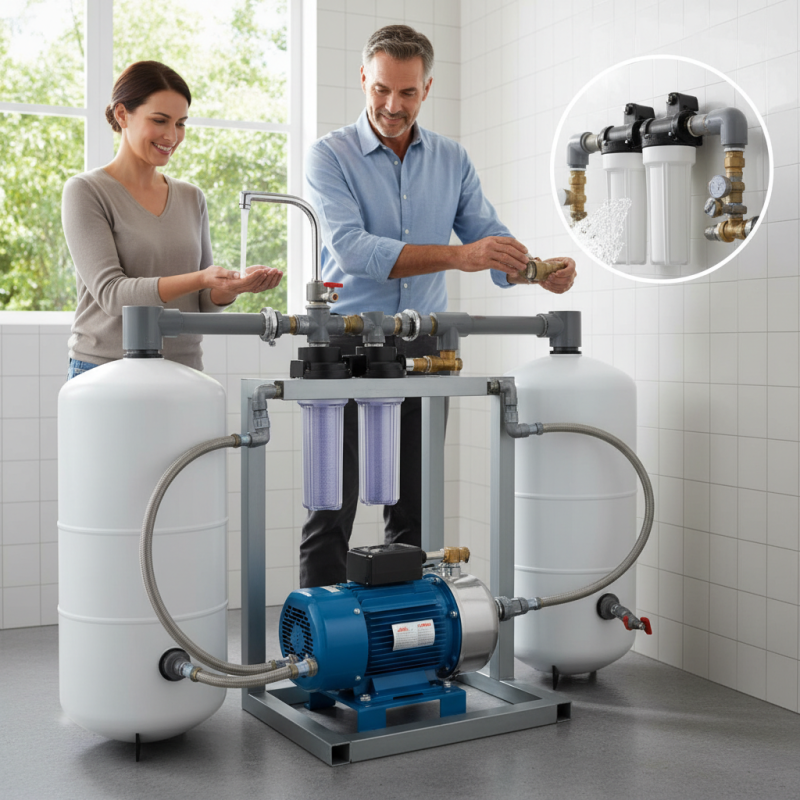
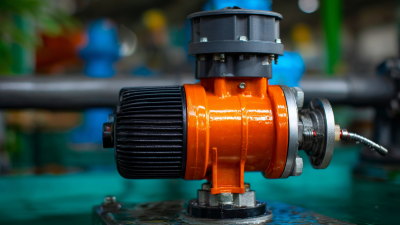
Booster pumps play a critical role in enhancing water pressure in various settings. They are particularly useful in homes with low water pressure. Many households face issues when showers, faucets, or appliances operate simultaneously. In such cases, a booster pump can fill the pressure gap effectively.
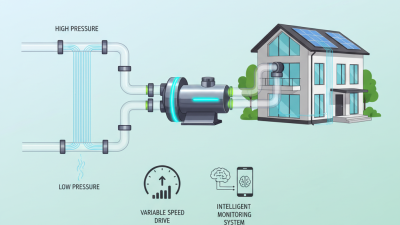
Understanding how booster pumps function is essential. These devices draw water from a source and increase its pressure before distributing it through your plumbing system. They are often installed in various locations, such as basements or utility rooms. The operation is relatively straightforward, but the installation can sometimes be tricky. Proper sizing and placement are crucial for optimal performance.
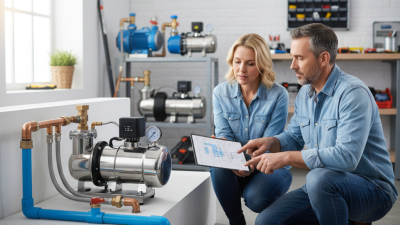
Maintaining a booster pump requires regular checks. Sounds or vibrations can indicate problems that need attention. Users should keep an eye on the pressure gauge and any leaks. Moreover, they should be prepared for possible repairs or adjustments. It’s vital to reflect on whether a booster pump is truly necessary for your situation. Sometimes, simple fixes can resolve pressure issues without the need for a full installation.
| Feature | Description | Benefits |
|---|---|---|
| Increased Pressure | Boosts the water pressure in supply lines. | Ensures consistent water flow for higher demand applications. |
| Energy Efficiency | Modern booster pumps are designed to operate efficiently. | Reduces energy costs associated with water supply. |
| Versatility | Can be used in residential, commercial, and industrial settings. | Adapts to various water supply scenarios and needs. |
| Noise Levels | Many are designed to operate quietly. | Minimizes disruption in residential areas. |
| Maintenance | Typically low maintenance with appropriate care. | Saves time and resources on upkeep. |
A booster pump is crucial in numerous scenarios where water supply is inadequate. In residential areas, homes are often located at varying elevations. This can lead to fluctuating water pressure, affecting showers and appliances. According to the U.S. Environmental Protection Agency, nearly 15% of homes face insufficient water pressure, hampering daily activities. A booster pump can resolve this pressure deficit, providing a reliable water source.
Commercial buildings also experience the need for improved water supply. In restaurants or hotels, consistent pressure is essential for kitchens and guest services. Studies show that low water pressure can reduce customer satisfaction by 30%. These establishments rely on strong water flow to maintain functionality. Additionally, industrial operations often utilize booster pumps to enhance water supply during peak production times.
Some may overlook their need until problems arise. Low pressure leads to inconveniences like slow-filling toilets and weak faucets. Many are reluctant to invest in pump systems, fearing costs or complexity. However, the potential benefits, like improved efficiency and reduced wait times, are significant. Inadequate water pressure is not just a nuisance; it can hinder one's daily routine and impact business operations. A booster pump offers a practical solution, ensuring a steady flow of water for all needs.
A booster pump can significantly enhance water supply, crucial for many homes and businesses. According to a report by the Water Research Foundation, nearly 30% of households experience inadequate pressure. This leads to frustrating situations like low shower flow or slow appliance function. A booster pump addresses these issues directly, ensuring consistent supply.
In commercial settings, the need for reliable water pressure is even more critical. The plumbing and heating design are often based on specific pressure requirements. A study by the American Society of Plumbing Engineers found that optimal water pressure improves system efficiency. It directly impacts daily operations, from supplying restrooms to aiding in fire protection systems. Installing a booster pump can mitigate these risks and maintain smooth operations.
However, reliance on booster pumps requires careful consideration. Improper installation or overuse can lead to increased energy consumption. It may also result in higher utility bills. Regular maintenance is essential. For example, neglecting the pump can decrease its lifespan and performance. Being aware of these factors is key to maximizing the benefits of a booster pump in any system.
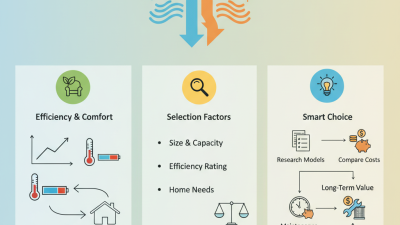
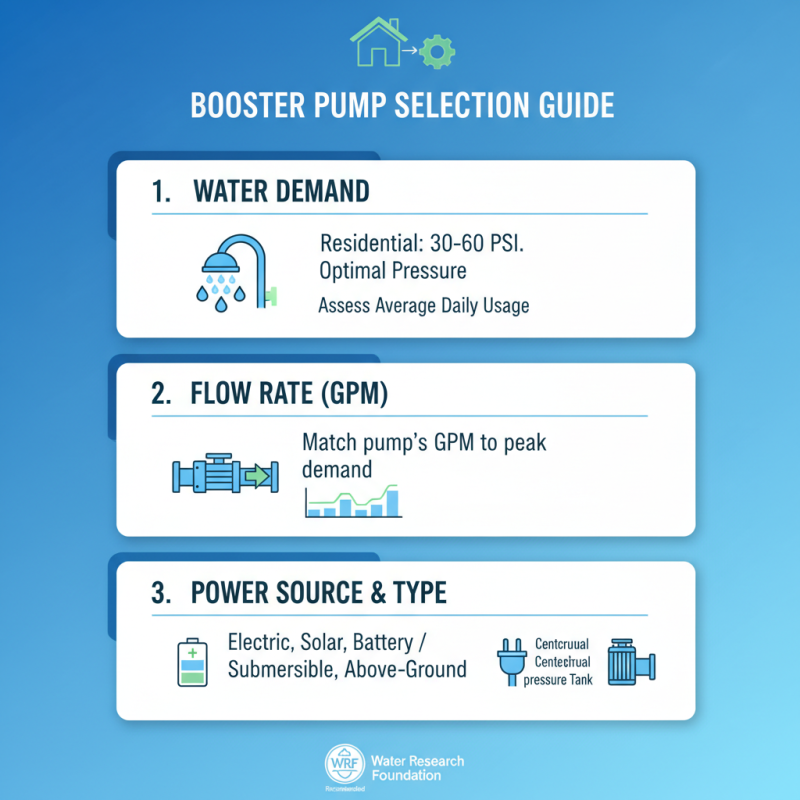
When selecting a booster pump for your water supply, several key factors must be considered. First, understanding your specific water demand is crucial. A comprehensive report from the Water Research Foundation suggests that residential properties often require 30-60 PSI for optimal water pressure. Assessing your average daily water usage can inform your choice.
Tip: Calculate your peak demand by estimating the number of fixtures in use at the same time. This helps gauge the required flow rates and pressure needs.
Another important consideration is pump size and configuration. A pump that’s too small doesn't meet demand, while an oversized pump wastes energy. The Hydraulic Institute states that improperly sized pumps can lead to inefficiencies, consuming up to 20% more energy than necessary. factors like elevation changes and pipe diameters should also be factored when determining the right pump.
Tip: Review your plumbing layout. Identifying potential bottlenecks or elevation differences can influence your pump selection.
Lastly, maintenance needs can’t be overlooked. Some pumps require regular checks to avoid breakdowns, adding to long-term costs. A report by the American Society of Plumbing Engineers indicates that poorly maintained pumps decrease lifespan and efficiency. Consider a booster pump that balances ease of maintenance with performance.
Booster pumps can significantly enhance water pressure, making them essential for many homes. However, proper maintenance is crucial to ensure they perform well over time. Regular inspections can prevent costly repairs down the line.
One important maintenance tip is to check the air gap regularly. A clogged air gap can lead to pressure problems. Cleaning it regularly can maintain optimal performance. Furthermore, monitor the pump's vibrations. Excessive vibrations might indicate misalignment or wear. Addressing issues promptly can extend the pump's lifespan.
Water quality also plays a significant role. Sediment buildup can affect performance. Installing a filter can help keep the pump efficient. Regularly flushing the system is another good practice. It prevents stagnation and ensures clean water flows. Taking these simple steps can save you from frustrating issues in the future.
This chart illustrates the water pressure levels before and after the installation of booster pumps, as well as the impact of maintenance on pump performance. Ensuring regular and exceptional maintenance can lead to significant improvements in water supply efficiency.
sale@harbertpump.com,
sale@harbertpump.com