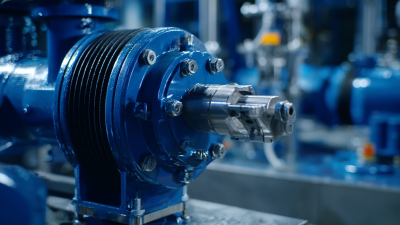
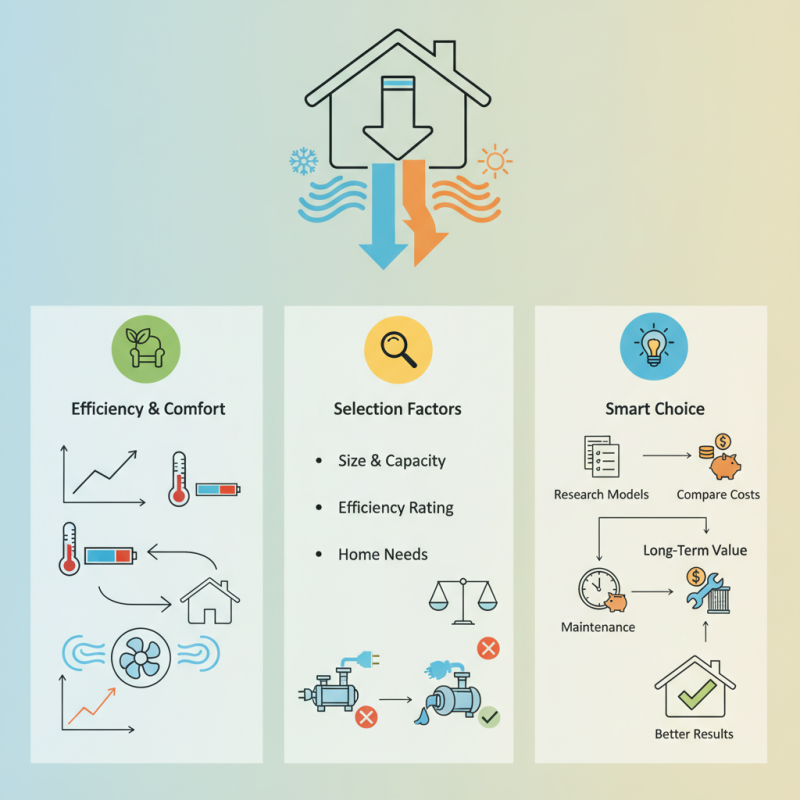
Choosing the right HVAC pump is crucial for your home's comfort. An efficient HVAC pump can significantly enhance your heating and cooling systems. It impacts energy consumption, maintaining a balanced air flow, and ensuring consistent temperatures.
When selecting an HVAC pump, consider factors such as size, capacity, and efficiency ratings. Understand your home’s specific needs. A pump too small will struggle to meet demands, while one that is too large may waste energy. It’s essential to find the right balance.
Research different models and brands. They may vary in features and costs. Remember that high price does not always guarantee high quality. Take the time to compare options. Consider long-term savings on energy bills versus upfront costs. Reflect on the pump's maintenance as well. Choosing the right HVAC pump can seem daunting. But taking a considered approach will lead to better results. Your home deserves the best.
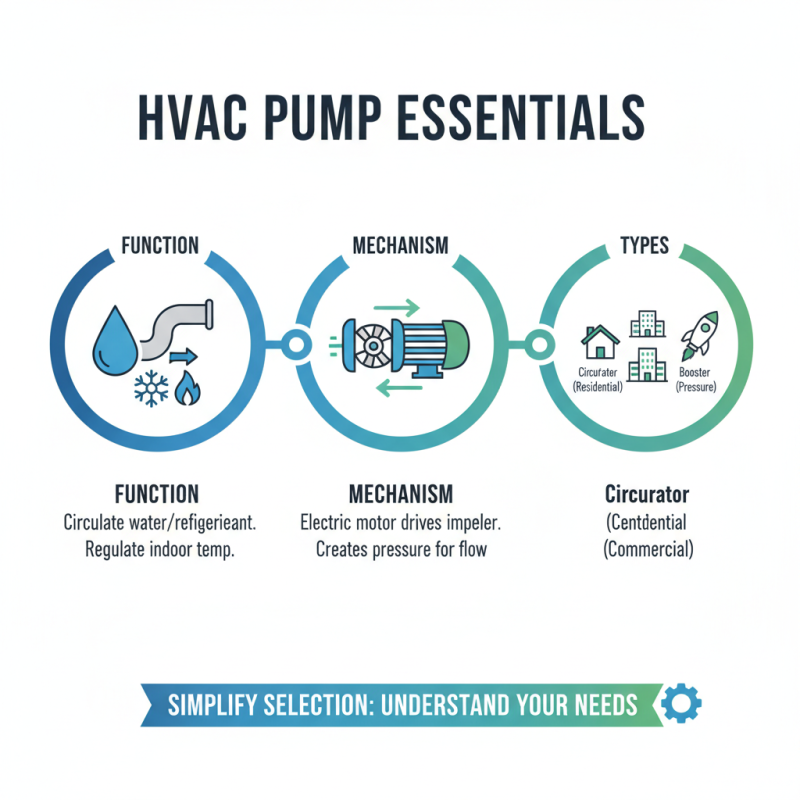
HVAC pumps are essential components in heating and cooling systems. They help circulate water or refrigerant to maintain a comfortable indoor climate. Understanding how these pumps work can simplify your selection process. They come in various types, each serving unique purposes.
The most common type is the circulation pump. It moves hot water from the boiler to radiators. Another type, the condensate pump, removes excess water from air conditioning systems. It's vital to know your system's demand. Oversized pumps may lead to inefficiency and increased energy costs. Conversely, undersized pumps can struggle, leading to inadequate heating or cooling.
Consider your specific needs. Evaluate your home size, layout, and existing HVAC system. A pump that is too strong might create noise. A weaker one may not carry sufficient fluid. Balance is key. Examine the pump’s features and performance specifications. Simple designs offer reliability, while complex ones may provide extra efficiency. Choose wisely; the right pump enhances comfort and saves energy.
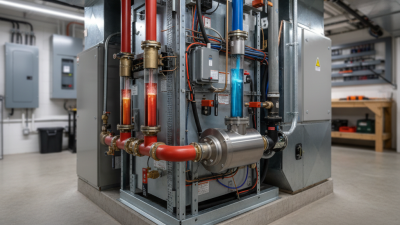
Identifying your home's specific heating and cooling requirements is crucial when choosing the right HVAC pump. Factors like home size, insulation quality, and climate play key roles. For instance, according to the U.S. Department of Energy, homes in colder climates may need more robust heating solutions. An average home requires about 30 BTU per square foot for effective heating in winter.
Another important point is the energy efficiency of your system. The HVAC industry reports that systems with higher SEER ratings can reduce energy consumption by 20-30%. This means investing in a more efficient pump can lead to significant long-term savings. However, a higher initial cost may deter some homeowners. It’s essential to weigh immediate budget impacts against these energy savings.
Don’t forget personal comfort. Everyone has unique preferences for temperature and humidity levels. Standard guidelines may not suit every family’s needs. A thorough assessment of your lifestyle can guide appropriate choices. Not all homes are created equal. Sometimes, a pump deemed adequate may underperform due to structural issues or improper size. Reflecting on these details helps ensure your HVAC system meets your true needs.
Choosing the right HVAC pump is essential for your home's comfort. There are various types of pumps on the market, each designed for specific needs. The most common types include Centrifugal pumps, submersible pumps, and positive displacement pumps.
Centrifugal pumps are known for their efficiency in moving high volumes of fluid, making them popular for larger homes.
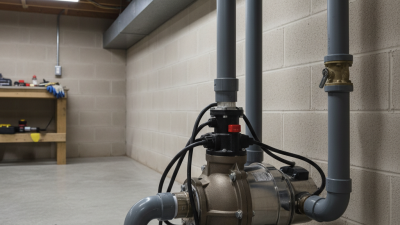
Submersible pumps work well in basement systems and are submerged in water. Positive displacement pumps, while less common, are great for high-pressure applications.
Tips: Assess your home’s specific requirements. Consider factors like the layout and heating/cooling needs.
Moreover, think about maintenance. Some pumps require more care than others. Improper installation can lead to issues. Do extensive research before making a decision. What suits one home might not be right for yours. Ensure to consult professionals if needed.
When choosing an HVAC pump, energy efficiency is crucial. High energy ratings usually mean lower utility bills. Look for pumps that feature the Energy Star label. This label indicates a commitment to energy conservation. It can save you money in the long run.
While energy efficiency is vital, don’t overlook the size and capacity. An oversized pump can waste energy. It may cycle on and off too frequently. This leads to wear and higher costs. A properly sized pump ensures optimal performance.
Tips: Check the Seasonal Energy Efficiency Ratio (SEER) rating. A higher SEER means better efficiency. Also, consider variable-speed pumps. They adjust the flow as needed, enhancing energy savings. Evaluating your home’s unique needs is essential for finding the right fit.
When choosing an HVAC pump, installation and maintenance are crucial factors. The right pump requires careful planning. A typical installation can take anywhere from a few hours to a full day. This depends on the system complexity. Homeowners should prepare for potential modifications to existing plumbing or electrical systems.
Regular maintenance is essential for ensuring longevity. A recent industry report indicates that nearly 25% of HVAC failures result from improper maintenance. Simple tasks, such as checking filters and inspecting connections, can prevent major issues. Neglecting these tasks leads to reduced efficiency and higher energy bills.
Consider also the pump's location. Installing it in an accessible spot will simplify future servicing. Some common mistakes include placing the pump too close to walls or other obstacles. These choices can complicate repairs or routine checks. Understanding installation and maintenance needs will help you choose wisely.
| Pump Type | Flow Rate (GPM) | Power Rating (HP) | Installation Complexity | Maintenance Frequency (Annual) | Estimated Cost ($) |
|---|---|---|---|---|---|
| Submersible Pump | 10-20 | 0.5-1.5 | Moderate | 1 | 200-800 |
| Centrifugal Pump | 15-30 | 1-3 | Moderate to High | 1-2 | 500-1500 |
| Positive Displacement Pump | 5-15 | 0.5-2 | High | 2 | 300-1200 |
| Diaphragm Pump | 2-10 | 0.25-1 | Low | 1 | 150-600 |
| Gear Pump | 1-8 | 0.5-2 | Medium | 1-2 | 200-1000 |
sale@harbertpump.com,
sale@harbertpump.com