Choosing the right filter cartridge significantly impacts water quality. In a recent industry report by the Water Quality Association, 75% of water treatment professionals emphasized the importance of selecting appropriate filtration systems. A well-chosen filter cartridge can greatly reduce contaminants, optimizing the performance of water systems.
Expert Steve Johnson, a prominent figure in the filtration industry, states, "The efficiency of a filter cartridge is only as good as its selection." This underscores the need to consider specific requirements when choosing a filter cartridge. Different applications may demand distinct materials and designs. The wrong choice can lead to inadequate filtration and wasted resources.
Understanding the nuances of filter cartridges is essential. For instance, a residential filter may need different capabilities than an industrial unit. Each situation demands careful evaluation. Overall, selecting filter cartridges requires more than just picking a brand. It necessitates thorough research and a clear understanding of one’s filtration needs. Balancing cost with effectiveness is often challenging. It’s vital to reflect on these factors before making a decision.
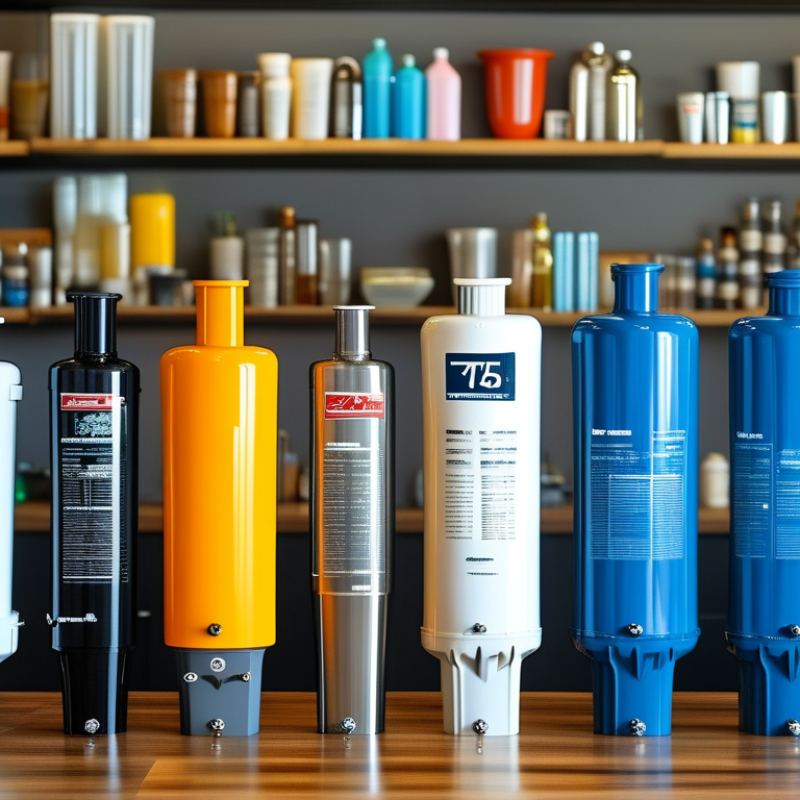
Choosing the right filter cartridge starts with understanding the different types available. There are various filtration technologies, including activated carbon, reverse osmosis, and ceramic filters. Each type serves distinct purposes based on the contaminants being targeted. According to industry reports, activated carbon filters are popular for their ability to remove chlorine and volatile organic compounds (VOCs). This is due to their adsorption capabilities, making them effective for household water purification.
Ceramic filters, on the other hand, are known for their ability to remove bacteria and protozoa. They can filter down to 0.2 microns, thus providing a level of safety for drinking water. Reverse osmosis systems are more complex and can remove a wide range of contaminants including heavy metals, salts, and other impurities. However, they can also waste a significant amount of water, raising concerns about sustainability.
It's essential to consider your specific needs when selecting a filter cartridge. The filtration rate and maintenance requirements vary significantly among different types. Not all filters need to be replaced at the same interval, and some require regular cleaning. Therefore, understanding these aspects can help prevent potential issues down the line. Choosing a poorly matched filter can lead to inefficiencies and higher costs over time.
When selecting the right filter cartridge, understanding your specific filtration needs is crucial. Many industries require precise filtration due to various contaminants present in their water supply. For instance, a report by the Water Quality Association indicates that up to 85% of residential water presents issues like sediment and chlorine. This data highlights the importance of identifying the particulates that need removal.
Consider the size of the particles you wish to filter. Standard cartridges often target larger particles, while micron-rated options can handle finer contaminants. The common range for filtration is from 1 to 100 microns. But, 50% of consumers underestimate their needs. It can lead to inefficient purification and more frequent replacements, which can be costly over time.
Your water source also plays a role. Municipal water may have different contaminants compared to well water. A study shows that 30% of private well systems fail to meet safety standards due to microbial threats. It's essential to conduct a water analysis. This deeper understanding will enable you to choose a cartridge tailored to your needs. Addressing specific requirements will not only enhance your filtration effectiveness but also extend the lifespan of your system.
When evaluating the quality and performance of different filter cartridges, it's crucial to understand filtration standards. Research indicates that over 70% of users prioritize filtration efficiency. This efficiency correlates with the cartridge's ability to remove contaminants from water, air, or other fluids. High-performing cartridges often boast a greater surface area, enabling them to capture more particles. In fact, a report from the International Filtration Society states that advanced filter cartridges can achieve up to 99.9% efficiency in particulate removal.
Material composition plays a significant role in determining performance. For example, cartridges made of activated carbon tend to excel in removing chemical impurities. However, many users overlook the compatibility of materials with their specific systems. A study by the Water Quality Association highlighted that improper material selection could decrease longevity by 30%. This underscores the need for careful evaluation, as not all materials will perform equally under varied conditions. It's essential to assess the intended application and operational parameters to ensure optimal performance.
When selecting a filter cartridge, cost plays a crucial role. Striking the right balance between price and quality can be tricky. Higher-priced cartridges often offer better filtration and longer lifespans. However, cheaper options may fail to deliver essential filtration capabilities.
**Tip:** Always consider the specific needs of your system. An inexpensive cartridge might seem appealing, but it could lead to more frequent replacements. This may compromise your water quality in the long run.
Investing in a quality cartridge is wise, but avoid overspending. Research and compare, as not all expensive products guarantee the best performance. Some mid-range options can provide excellent filtration without breaking the bank.
**Tip:** Look for user reviews that highlight both performance and durability. An informed decision will help you avoid the pitfalls of poor investments. Remember, the best choice isn't always the most obvious one.
When it comes to filter cartridges, maintenance is crucial. Regular upkeep can extend the life of your filter significantly. According to industry reports, neglecting maintenance can reduce filter efficiency by up to 30%. This loss can lead to decreased water quality. It is essential to check cartridges every few months for clogs or contamination.
Replacement timing is another crucial part of filter longevity. Most experts recommend replacing cartridges every six months. However, this can vary based on usage and water quality. For example, in high sediment areas, more frequent changes may be necessary. Some studies suggest that filters may need replacing every 3-4 months in such conditions. Monitoring your filter’s pressure can be a useful indicator of its condition.
Moreover, think about the environment your filter operates in. Harsh conditions may lead to quicker wear. Keep in mind that not all filters are created equal. Choosing the wrong type can result in frequent replacements or inefficiencies. Read user reviews and consult experts when selecting your filter cartridge. It’s about finding the balance between cost and quality for optimal performance.
| Filter Type | Application | Recommended Maintenance Interval | Replacement Indicators | Approximate Cost |
|---|---|---|---|---|
| Activated Carbon | Water Filtration | 3-6 months | Unpleasant taste/odor | $15 - $30 |
| Sediment Filter | Pre-filtration | 6-12 months | Reduced water flow | $10 - $20 |
| Reverse Osmosis | Drinking Water | 2-3 years | Cloudy water | $50 - $100 |
| Ultrafiltration | Water Purification | 1-2 years | Discoloration in water | $40 - $80 |
sale@harbertpump.com,
sale@harbertpump.com