
Choosing the right Angle Valve for global sourcing requires more than comparing prices. A compact valve may look identical across supplier catalogs. Its body material, seal quality, pressure rating, and thread accuracy can differ significantly. In practice, these details affect installation time, leakage risk, and long-term maintenance.
This guide examines the decisions experienced purchasing teams make before placing an international order. It considers water quality, operating temperature, working pressure, connection standards, and intended use. Brass, stainless steel, and engineered plastics each serve different conditions. A supplier’s test reports, factory controls, certifications, and product traceability also deserve careful review. Request current technical documents. Do not rely on attractive product photographs.
Small details matter.
Global sourcing adds further uncertainty. Measurements may be listed in metric or imperial formats. “Standard” threads are not always compatible between markets. Packaging, labeling, sampling, inspection, and replacement support can influence the real cost. A low unit price may become expensive after rework or delayed delivery. Buyers should compare verified samples against approved specifications and confirm every critical requirement in writing.
No checklist is perfect. Even experienced teams can overlook a seal compound or a regional installation practice. That limitation deserves attention, not denial. Use this article as a practical framework, then validate the final Angle Valve with qualified engineers, recognized testing methods, and current regional requirements. Careful sourcing is slower at the beginning. It is usually cheaper than correcting a failure in the field.
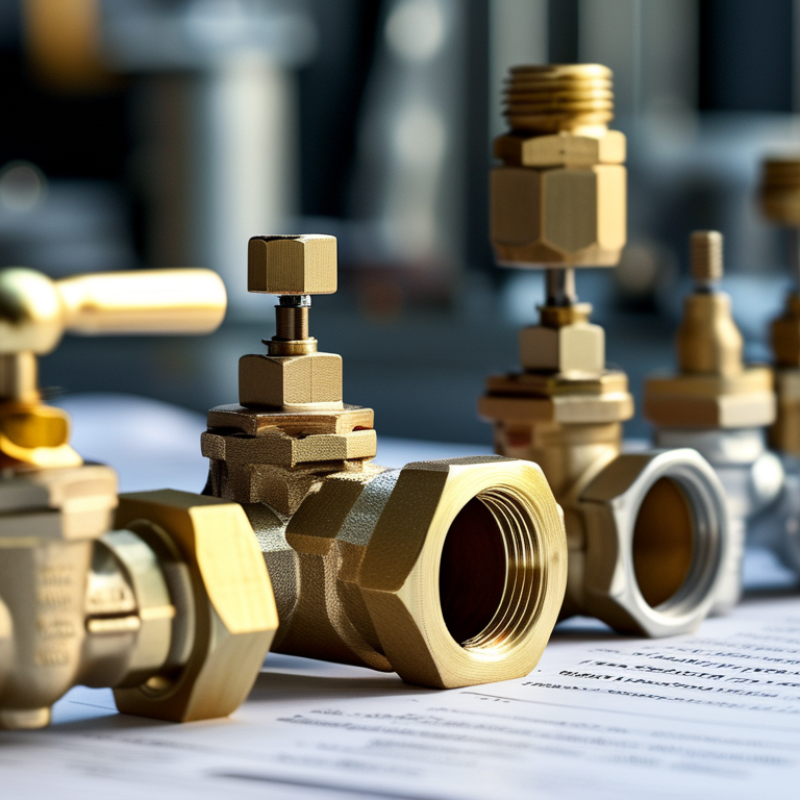
An angle valve redirects fluid through a 90-degree turn. Its compact body saves space near walls, cabinets, and equipment. The valve can stop flow during repairs or regulate it during normal use. In a kitchen, it connects a supply pipe to a faucet hose. In a bathroom, it commonly serves a toilet tank or washbasin. Space matters. The handle should remain easy to reach, even after installation. Quarter-turn designs provide quick shutoff, while multi-turn models may offer finer control.
Common applications include domestic water lines, radiator connections, irrigation branches, and light industrial equipment. Under-sink valves often use compact outlets and decorative finishes. Radiator valves require temperature tolerance and dependable sealing. Irrigation systems may need corrosion-resistant bodies and simple seasonal maintenance. Compressed-air service demands suitable pressure ratings and seals. A valve designed for water should not automatically be used elsewhere. That choice matters.
When sourcing globally, confirm thread standards, inlet sizes, pressure limits, temperature ranges, and tested materials. Brass suits many water systems, while stainless steel helps in damp or chemically demanding environments. Seal compounds must match the fluid and operating temperature. Ask for inspection records, dimensional drawings, and test results rather than relying on photographs. Independent checks can reveal rough threads, weak plating, or inconsistent handle movement. A field inspection is valuable. Do not assume identical labels mean identical performance. Small differences in connection standards can cause leaks, delays, and expensive rework.
Choosing the right angle valve for global sourcing starts with precise specifications, not attractive pricing. I begin by confirming the inlet and outlet sizes, connection type, flow direction, pressure range, and operating temperature. A valve with a familiar thread may still fail to fit overseas piping. Thread standards can differ by market, even when measurements appear similar.
Material selection also requires practical judgment. Brass suits many indoor water applications, while stainless steel may perform better in damp or chemically demanding environments. Check the sealing material, body thickness, handle strength, and corrosion resistance. Ask for test reports, dimensional drawings, pressure data, and material traceability. Certifications should match the destination market and intended use, rather than simply appearing on a supplier’s website.
Sourcing teams should request production samples before placing large orders. Test the valve under realistic pressure and repeated operation. Inspect the threads with gauges, not only by visual comparison. Packaging matters too; loose valves can arrive with scratched finishes or damaged threads. Confirm carton dimensions, labeling, minimum order quantity, lead time, spare parts, and inspection procedures. I have seen a technically sound valve become costly because its packaging increased freight charges. A spreadsheet helps, but it can still hide important details. Suppliers may provide complete documents, yet small tolerances still need independent checking. That extra step may feel slow. It often prevents expensive rework.
Choosing an angle valve for global sourcing requires more than comparing prices. Material selection affects durability, water compatibility, and long-term maintenance. Brass offers practical strength and machining stability for many plumbing systems. Stainless steel resists corrosion better in humid or aggressive environments, but usually costs more. Engineering plastics can reduce weight, yet temperature and pressure limits require careful review. Plating quality also matters. A bright surface does not always indicate reliable protection.
Design should match the installation and expected use. Quarter-turn ceramic cartridges allow quick shutoff and are useful where access is limited. Traditional compression designs may be easier to repair in some markets. Integrated filters can protect fixtures from debris, although they add cleaning requirements. A swivel outlet helps alignment under a basin. I once assumed a compact body was always better. That was too simple. A smaller valve can restrict flow or leave little space for tools.
Connection standards often create the most expensive sourcing mistakes. NPT, BSPT, BSPP, and metric threads are not automatically interchangeable. A valve may fit initially but leak after pressurization. Compression and push-fit connections also need matching tube sizes and installation methods. Request thread drawings, material certificates, pressure ratings, and dimensional samples before approving production. Check local potable-water requirements as well. Certification names and testing rules differ by destination. A pre-production fit test with the actual pipe, seal, and wrench can reveal problems that a catalog never shows.
Choosing an angle valve for global sourcing requires more than comparing unit prices. Supplier evidence matters. Request factory registration details, production capacity, subcontracting policies, and recent audit reports. A reliable supplier should explain who controls machining, assembly, testing, and final packing.
Certifications need careful verification. Check the certificate number, issuing body, validity date, and covered product range. ISO 9001 shows a quality management system, but it does not guarantee every valve is defect-free. Depending on the destination, plumbing, material, pressure, and drinking-water requirements may differ. Ask for applicable test reports, material declarations, and traceability records. A polished certificate can still cover the wrong product.
Quality controls should be visible on the production floor. Look for incoming material checks, dimensional inspections, thread gauges, torque testing, and pressure or leakage tests. Test records should identify batch numbers, operators, equipment, and acceptance limits. For critical orders, request pre-shipment inspection and sealed samples from mass production. Independent laboratory testing can confirm alloy composition or coating performance.
In practical sourcing reviews, communication often reveals more than brochures. Does the supplier answer technical questions with measured data? Can it explain a failed test and its corrective action? I have found that some suppliers promise perfect consistency too quickly. That deserves reflection. Real manufacturing includes variation, so credible suppliers discuss process capability, sampling plans, and preventive controls. Keep approved drawings and change-control rules in writing. Small undocumented changes can alter sealing performance.
How to Choose the Right Angle Valve for Global Sourcing
Selecting an angle valve for global projects requires more than comparing unit prices. A practical sourcing review should examine pressure rating, temperature range, thread accuracy, seal material, and expected operating cycles. Cheap is not cheap. The U.S. EPA WaterSense Fix a Leak Week data reports that household leaks can waste nearly 10,000 gallons of water annually. A small valve failure can therefore create replacement, labor, and water-loss costs.
For potable-water applications, request current test reports and compliance documents for the destination market. Material traceability also matters, especially when brass, stainless steel, or polymer components are used. The WHO and UNICEF Joint Monitoring Programme 2023 report states that 2.2 billion people lacked safely managed drinking water in 2022. This highlights the value of dependable, serviceable components in water systems. Select a valve with accessible spares and clear installation instructions. Global sourcing becomes difficult when thread standards differ between suppliers and installers.
Long-term performance depends on details that purchasing spreadsheets often miss. Check torque requirements, corrosion resistance, packing quality, and carton protection during ocean transport. A valve may pass factory testing yet fail after repeated thermal cycling. That risk deserves honest review. The ISO 5208 standard provides a recognized framework for pressure testing industrial valves, but test results still need context. Ask for sample-based verification, production dates, and failure-rate records. It may cost slightly more upfront. It can reduce emergency maintenance later.
Selecting the Best Angle Valve for Cost and Long-Term Performance
| Valve Type | Typical Connection | Common Body Material | Typical Working Pressure | Typical Temperature Range | Indicative Unit Cost* | Expected Service Life | Best Application | Key Global Sourcing Checks |
|---|---|---|---|---|---|---|---|---|
| Compression Angle Valve | Compression inlet × male or female outlet Common sizes: 3/8 in, 1/2 in | Forged brass, stainless steel, or engineered polymer | Up to approximately 1.0 MPa / 145 psi, depending on design | About 0°C to 90°C / 32°F to 194°F | $2–$8 | 10–20 years in normal potable-water service | Residential repairs and installations where soldering or threading is not preferred | Verify tube compatibility, nut and ferrule dimensions, thread form, leak testing, and corrosion resistance of the ferrule |
| Threaded Angle Valve | Female or male pipe thread; commonly NPT, BSP, or ISO metric threads | Forged brass or stainless steel | Typically 1.0–1.6 MPa / 145–232 psi | About 0°C to 100°C / 32°F to 212°F | $2–$10 | 15–25 years when correctly sealed and protected from corrosion | Commercial plumbing, industrial utility lines, and projects requiring rigid threaded connections | Confirm thread standard and gauge inspection; NPT and BSP threads are not interchangeable, even when nominal sizes appear similar |
| Sweat / Solder Angle Valve | Copper tube socket connection; commonly 15 mm or 1/2 in | Forged brass or dezincification-resistant brass | Typically 1.0–1.6 MPa / 145–232 psi | About 0°C to 120°C / 32°F to 248°F | $2–$9 | 20–30 years with proper installation and water chemistry control | Permanent copper-pipe systems and new-build plumbing projects | Check socket depth, solderability, lead-content requirements, dimensional tolerances, and pressure-test performance |
| Push-Fit Angle Valve | Push-fit inlet × compression, threaded, or appliance outlet | Brass body with polymer collet and elastomer seal | Often up to 1.0 MPa / 145 psi | Commonly 0°C to 65°C / 32°F to 149°F | $5–$15 | 10–20 years, highly dependent on seal and tube preparation | Fast installation, maintenance work, and mixed-material pipe systems | Confirm compatibility with copper, CPVC, PEX, or multilayer pipe; inspect O-ring material, insertion depth, and pull-off resistance |
| PEX Crimp / Clamp Angle Valve | PEX crimp or clamp inlet × threaded or compression outlet | Brass or polymer body with EPDM or similar elastomer seals | Typically 0.7–1.0 MPa / 100–145 psi | Usually 0°C to 82°C / 32°F to 180°F | $3–$11 | 15–25 years in protected indoor plumbing | PEX potable-water distribution and residential remodels | Check PEX size, crimp or clamp system, insert geometry, seal material, and compliance with the destination market’s plumbing code |
| Quarter-Turn Ball Angle Valve | Compression, threaded, sweat, or push-fit connections | Brass or stainless steel body with PTFE seats | Typically 1.0–1.6 MPa / 145–232 psi | About 0°C to 100°C / 32°F to 212°F | $3–$14 | 15–25 years; generally better suited to frequent shutoff than multi-turn valves | Toilet, faucet, dishwasher, washing-machine, and other fixture isolation points | Evaluate ball and stem finish, seat wear, handle strength, operating torque, full-open flow area, and cycle testing |
| Multi-Turn Globe Angle Valve | Compression or threaded inlet and outlet | Brass or corrosion-resistant alloy | Typically 0.7–1.0 MPa / 100–145 psi | About 0°C to 90°C / 32°F to 194°F | $2–$9 | 10–20 years under normal fixture-service conditions | Traditional fixture connections where gradual flow adjustment is useful | Check stem packing, washer or cartridge replacement availability, closing torque, flow restriction, and spare-part continuity |
| Stainless-Steel Angle Valve | Threaded, compression, or push-fit configurations | 304 or 316 stainless steel, depending on corrosion requirements | Often 1.0–2.0 MPa / 145–290 psi | About 0°C to 120°C / 32°F to 248°F | $8–$30 | 20–30 years in suitable environments | Corrosive, coastal, hygienic, or premium installations where long-term material stability is important | Confirm alloy grade by material certificate or PMI testing, chloride exposure limits, surface finish, galvanic compatibility, and weld quality where applicable |
*Indicative unit costs are typical bulk-sourcing ranges for standard residential sizes and configurations. Actual pricing varies with material grade, connection type, certifications, order quantity, packaging, testing, freight, tariffs, and destination-market requirements. Pressure and temperature values must always be confirmed against the specific product data sheet and applicable standard.
sale@harbertpump.com,
sale@harbertpump.com