
Choosing the right Air Conditioning Bracket is crucial for optimal installation and performance. It affects not only efficiency but also safety. A reliable bracket supports the unit, ensuring it remains securely in place. Consider factors like material and weight capacity before making a decision.
Many assume that any bracket will suffice, but that can lead to issues. A poorly chosen bracket can cause vibration or damage. Some brackets are made from low-quality materials, which can corrode over time. This, in turn, affects the longevity of your air conditioning unit.
Evaluating your specific needs is essential. Not all brackets are created equal; each has unique features tailored to different environments. A reflective approach can help in making an informed choice. It's important to weigh all options carefully to guarantee a dependable and efficient installation.
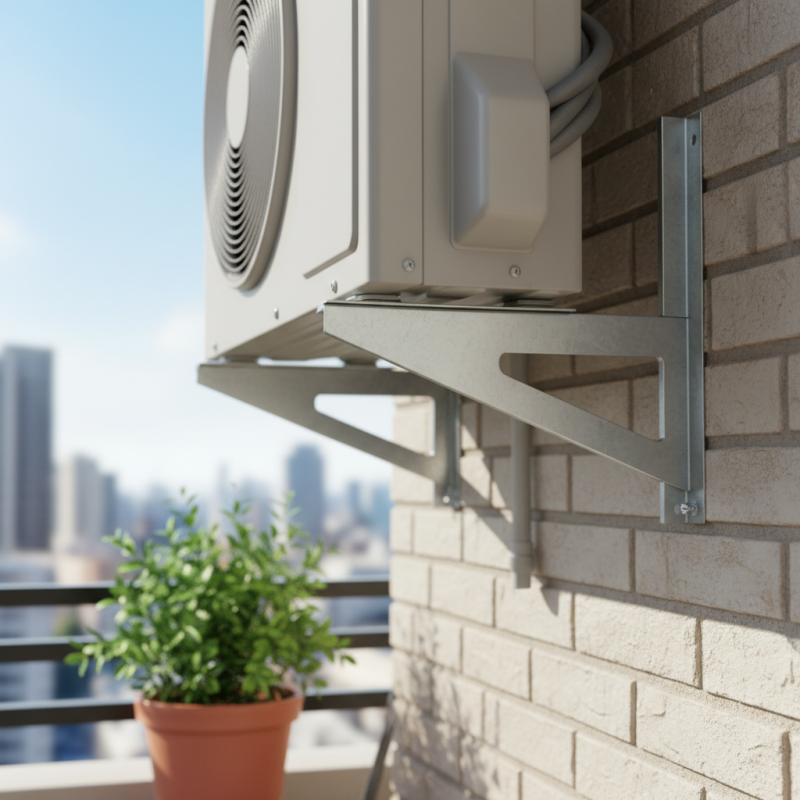
When selecting the right air conditioning bracket, understanding its importance is crucial. A sturdy bracket ensures stability and safety for your air conditioning unit. According to industry reports, improper installation of brackets can lead to a 30% increase in maintenance costs and reduce the unit's lifespan. This can lead to increased operational costs and decreased efficiency in cooling, which is critical in hot climates.
The right bracket can significantly affect the performance of an air conditioning system. A study shows that nearly 20% of HVAC failures are linked to inadequate mounting solutions. Brackets that do not fit properly can place stress on the unit, leading to vibrations and noise. It is essential to evaluate the weight and size of the unit when choosing the bracket. Failure to do so could result in costly repairs.
Additionally, not all brackets are created equal. Some may look robust but can fail under pressure. A high-quality bracket might seem like a larger initial investment. However, it is a reliable long-term solution. Markets often overlook the role of air conditioning brackets, considering them mere accessories. This mindset can lead to operational inefficiencies and safety hazards. The choice of a suitable bracket requires careful consideration of the load it must support and the environmental conditions it will face.
Choosing the right air conditioning bracket is crucial for both efficiency and safety. One key factor to consider is the material of the bracket. Steel brackets are typically stronger and can handle heavier units. According to a report from the American Society of Heating, Refrigerating and Air-Conditioning Engineers (ASHRAE), the structural integrity of installation components is essential, with a 30% failure rate linked to inadequate support.
Another important point is the weight capacity. Installation guidelines often recommend brackets that support at least 50% more weight than the air conditioning unit itself. This precaution reduces stress on both the bracket and the wall. A study by the Institute of Refrigeration found that improper mounting can lead to a 20% decrease in the unit’s efficiency, resulting in higher energy bills and more frequent repairs.
Lastly, consider the environmental conditions. Areas with extreme weather can wear down brackets faster. Research indicates that outdoor units are 15% more likely to fail due to corrosion in coastal areas. Regular inspections and maintenance are vital. Neglecting these aspects could lead to costly replacements or inefficient operation. Ideal choices are those that combine durability with adequate weight support and environmental resilience.
Choosing the right air conditioning bracket is crucial for optimal performance and durability. There are several types of brackets available, each serving different needs. Wall-mounted brackets are popular for residential units. They provide strong support and ensure stable installation. Ceiling-mounted brackets are ideal for commercial spaces. They keep the unit out of the way while maximizing airflow.
Floor-standing brackets are also an option, especially in areas where wall space is limited. These brackets usually offer higher weight capacities. Choosing a bracket that complements your air conditioning unit’s design is important. The right choice enhances the aesthetic appeal and functionality of the space.
When selecting a bracket, consider installation location and environmental factors. Rust resistance is key for outdoor brackets. Heavy-duty materials can withstand harsh weather. However, many overlook maintenance needs. Regular inspections can prolong bracket life and ensure efficiency. Reflecting on these aspects will ensure you make a well-informed decision.
When installing an air conditioning bracket, pay attention to a few key details. The bracket must support the unit's weight. Consider the material; choose steel or aluminum for durability. Check the installation surface for stability. Concrete, brick, or masonry works best. If the surface is weak, reinforcement may be necessary.
Alignment is crucial. Ensure the bracket is level to prevent unnecessary strain on the air conditioner. Use a level tool to double-check. Secure it tightly, but be cautious not to overtighten. This could lead to damage. Also, consider the weather conditions. Rain or wind can affect the installation quality. Installing during dry weather improves reliability.
Finally, always follow manufacturer guidelines for installation. Skipping steps can lead to issues. Revisiting instructions might seem tedious, but it ensures safety. Keep in mind common mistakes, like incorrect positioning or inadequate support. Reflect on past experiences to improve your current installation process. Every detail matters for safe and efficient air conditioning.
When selecting an air conditioning bracket, safety and maintenance should be your priority. A well-designed bracket ensures that your unit remains securely mounted, reducing the risk of falls or damage. An unstable bracket can lead to costly repairs and pose safety hazards. Regular inspections are essential to identify any wear and tear. Loose screws or rusty materials can compromise the bracket's integrity.
Tips: Inspect your bracket every few months for any signs of damage. Replace any compromised components immediately. Ensure that the bracket can handle the weight and size of your air conditioning unit.
Using the right materials for your bracket also plays a significant role in safety. Metal brackets generally offer better durability than plastic ones. However, poor installation can negate these benefits. Ensure that bolts and screws are correctly tightened. It’s easy to overlook these details, sometimes leading to problems down the line.
Tips: Always consult the installation manual or a professional. Correct installation helps prevent unnecessary issues. Pay attention to local building codes, which may guide proper bracket usage.
| Aspect | Importance | Recommended Practices |
|---|---|---|
| Weight Capacity | Crucial for stability and safety | Choose brackets rated for at least 150% of the unit's weight |
| Material Quality | Affects longevity and resistance to weather | Opt for galvanized steel or high-grade aluminum |
| Installation Process | Ensures proper setup and functionality | Follow manufacturer’s installation guidelines and use level before securing |
| Maintenance Requirements | Prevents degradation and ensures performance | Inspect brackets annually for rust and stability; tighten bolts if necessary |
| Compatibility with Unit | Essential for secure mounting | Check compatibility with the specific model of air conditioner |
sale@harbertpump.com,
sale@harbertpump.com