Top 10 Tips for Choosing the Best Water Pump for Your Home Needs
When it comes to ensuring the efficiency and longevity of your home's plumbing system, selecting the right water pump for home use is crucial. As industry expert John Miller, a seasoned plumbing engineer, wisely states, “The right water pump can make all the difference in maintaining optimal water pressure and protecting your system from wear and tear.” With the multitude of options available on the market today, homeowners often find themselves overwhelmed by the choices.
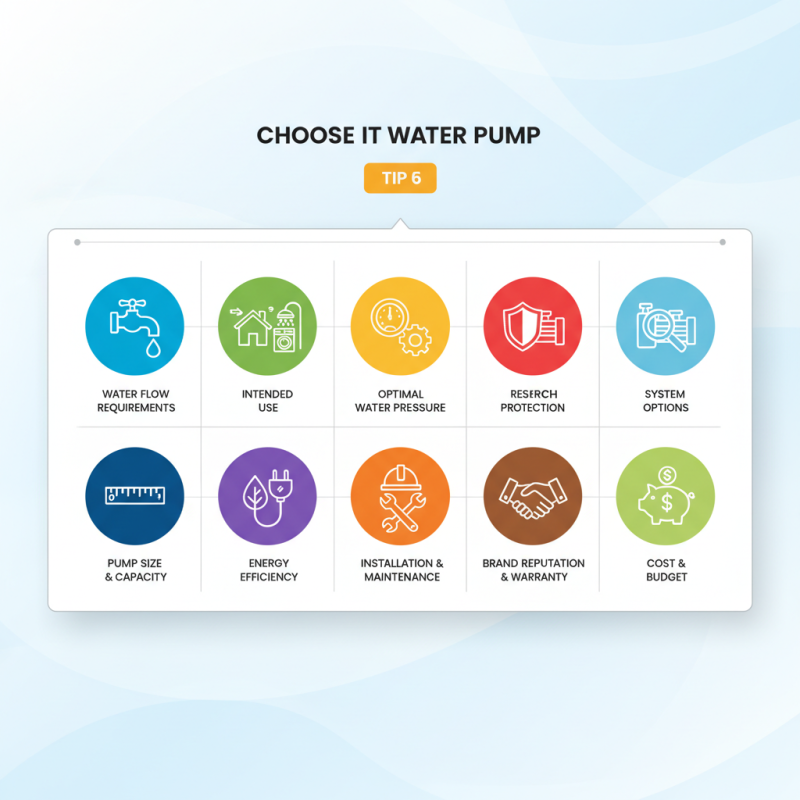
Understanding the specific needs of your home, including water flow requirements and the intended use of the pump, is essential in making an informed decision. Choosing the right water pump not only supports everyday household activities but also contributes to the overall health of your plumbing system. This guide aims to provide you with the top 10 tips that will help streamline the process of selecting the best water pump for your home, allowing you to enjoy consistent and reliable water pressure for years to come.
Understanding Your Home's Water Pump Requirements
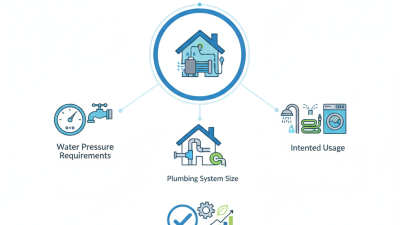
When choosing a water pump, the first step is to thoroughly understand your home's specific water needs. Assessing the source of your water supply, whether it's a wells, municipal system, or a rainwater collection system, is crucial. This assessment will guide you in determining the pump type that best fits your situation. For instance, submersible pumps work well for wells or underground sources, while centrifugal pumps are ideal for transferring water from a storage tank to your home.
Another key factor to consider is the water pressure requirements in your household. The optimal pressure will vary based on the number of fixtures you have, the distance the water needs to travel, and the elevation changes in your property. You should also think about the flow rate, which is the volume of water the pump can deliver in a set amount of time. Ensuring that the pump can meet these flow rate and pressure requirements will help prevent issues like low water pressure during peak usage times. Taking the time to evaluate these aspects will ensure you select a water pump that efficiently meets your home's demands.
Types of Water Pumps Suitable for Residential Use
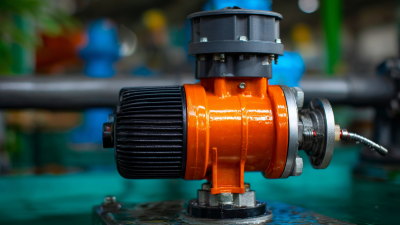
When considering a water pump for your home needs, it's essential to understand the various types available for residential use. Submersible pumps are a common choice, as they are designed to be submerged in water, making them ideal for basements or wells where they can efficiently remove water. Their sealed design also makes them less prone to damage from elements, ensuring longevity and reliability.
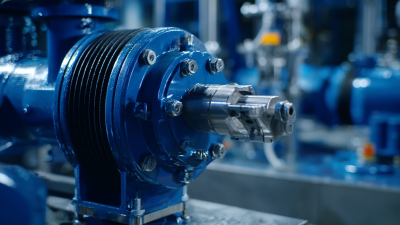
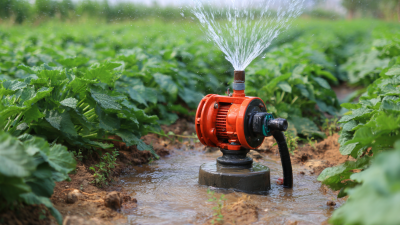
Another popular option is the centrifugal pump, known for its versatility and effectiveness in moving water. These pumps work best for transferring water from one location to another, such as filling tanks or irrigation systems. They can handle larger volumes and are often used in applications requiring high flow rates, making them suitable for extensive garden setups or household water supply needs. With a clear understanding of these types, homeowners can better determine which water pump aligns with their specific requirements and circumstances.
Key Features to Consider When Selecting a Water Pump
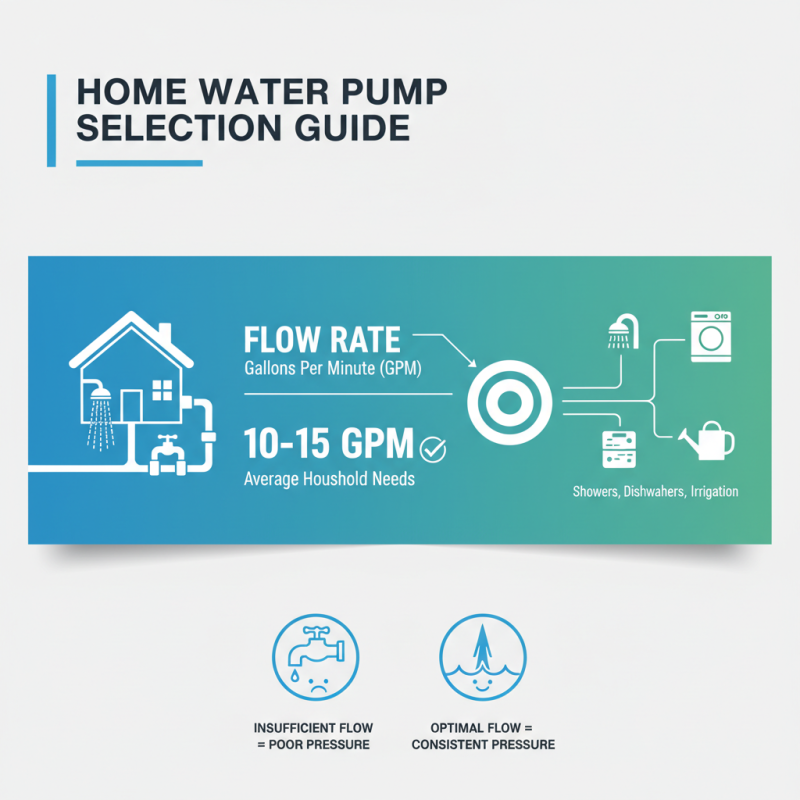
When selecting a water pump for your home needs, several key features should be taken into consideration to ensure optimal performance and efficiency. First, it is essential to evaluate the pump's flow rate, which refers to the volume of water the pump can move per minute, typically measured in gallons per minute (GPM). Industry reports suggest that a standard household water pump should provide a flow rate of at least 10-15 GPM to meet the average demands of home appliances such as showers, dishwashers, and irrigation systems. Insufficient flow rates can lead to inconsistent water pressure and inadequate performance, especially during peak usage times.
Another critical aspect to consider is the pump's head height, which is the maximum height the pump can effectively lift water. This is particularly important for homes with basements or multi-level structures, where the pump may have to work against gravity. Studies indicate that a typical home may require a total dynamic head (TDH) of around 30-50 feet to ensure that water reaches all necessary outlets. Additionally, assessing the pump's energy efficiency is vital, as water pumps can significantly impact utility bills. According to the U.S. Department of Energy, energy-efficient models can save homeowners up to 30% on energy costs over their lifetime, making it a prudent consideration in your selection process.
Assessing Pump Performance: Flow Rate and Pressure Factors
When selecting a water pump for your home, understanding pump performance is crucial, particularly the flow rate and pressure factors. The flow rate, usually measured in gallons per minute (GPM) or liters per minute (LPM), indicates how much water the pump can deliver over a specific period. A higher flow rate is essential if you require significant water supply for multiple fixtures simultaneously, such as in a large household or for irrigation purposes. Assess your household's peak water usage to determine the appropriate flow rate needed for your specific applications.
Equally important is the pressure factor of the water pump, measured in pounds per square inch (PSI). Pressure influences how far the water can be pushed and is vital for overcoming elevation changes and reaching distant outlets in your plumbing system. For instance, if your home is located on a slope or if you have multiple floors, a pump with adequate pressure capacity will ensure consistent water delivery without significant loss in performance. Evaluating both flow rate and pressure will not only help you choose a pump that meets your current requirements but also one that can adapt as your needs evolve over time.
Maintenance Tips for Ensuring Longevity of Your Water Pump
Proper maintenance is essential for ensuring the longevity of your water pump, regardless of its type or size. One of the first steps in maintenance is to regularly check the pump for any signs of wear and tear. Look for leaks, corrosion, or any unusual noises that could indicate a problem. It's also important to keep the area around the pump clean and free of debris, as this can affect its performance and increase the risk of damage.
Additionally, routine service checks should include inspecting the pump’s motor and components. This means ensuring that all electrical connections are secure and that there is no buildup of dust or dirt in and around the motor. Regularly changing the pump's oil and replacing filters when necessary can also help in prolonging its life. Finally, if you live in a region with harsh weather conditions, consider implementing protective measures such as insulating the pump or providing a cover to shield it from extreme temperatures or flooding. By following these maintenance tips, you can ensure that your water pump operates efficiently for many years to come.