In 2025, the demand for residential water pressure boosters is expected to rise significantly, driven by the increasing number of households experiencing inadequate water pressure and the growing trend towards smart home technologies. According to a recent report by the National Association of Home Builders, nearly 30% of American homes face water pressure issues, making the selection of an effective water pressure booster crucial for homeowners seeking to enhance their plumbing systems. Industry expert Dr. Jane Goodwin, a renowned hydraulic engineer, emphasizes the importance of choosing the right device, stating, "Opting for an appropriate water pressure booster not only improves water flow but also contributes to energy efficiency in modern homes."
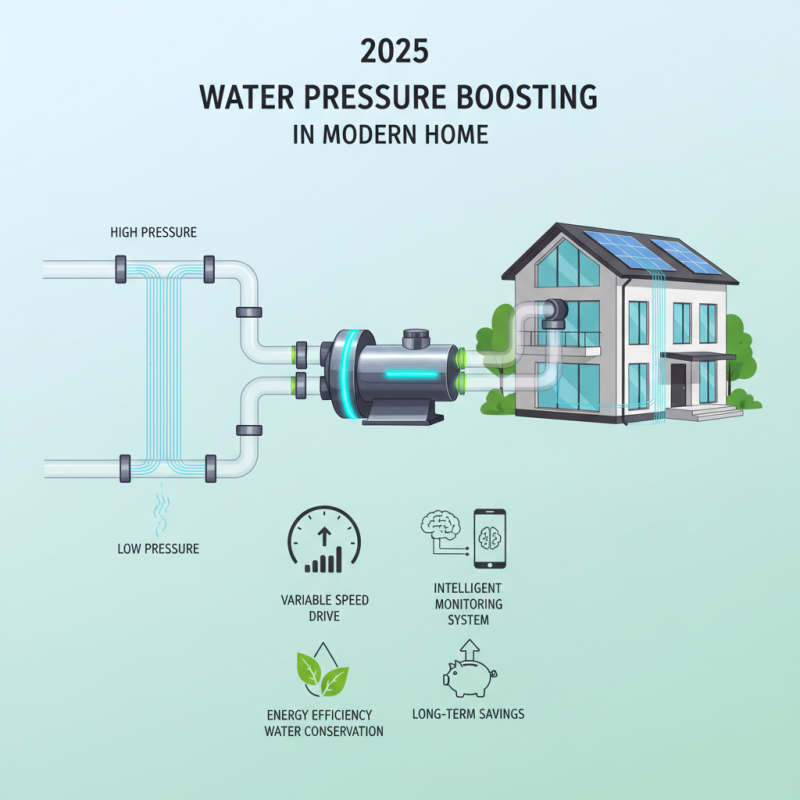
With the advancement of technology, today's water pressure boosters come equipped with features that optimize performance and user experience, offering options such as variable speed drives and intelligent monitoring systems. Homeowners now have a plethora of choices when it comes to selecting a water pressure booster that fits their specific needs, whether it’s for a single shower or an entire household. As you navigate the market, keep in mind that the right choice can lead to significant long-term savings, both in terms of water consumption and energy costs. Therefore, understanding the key factors involved in selecting a water pressure booster is essential for making informed decisions that will impact your home's efficiency and comfort.
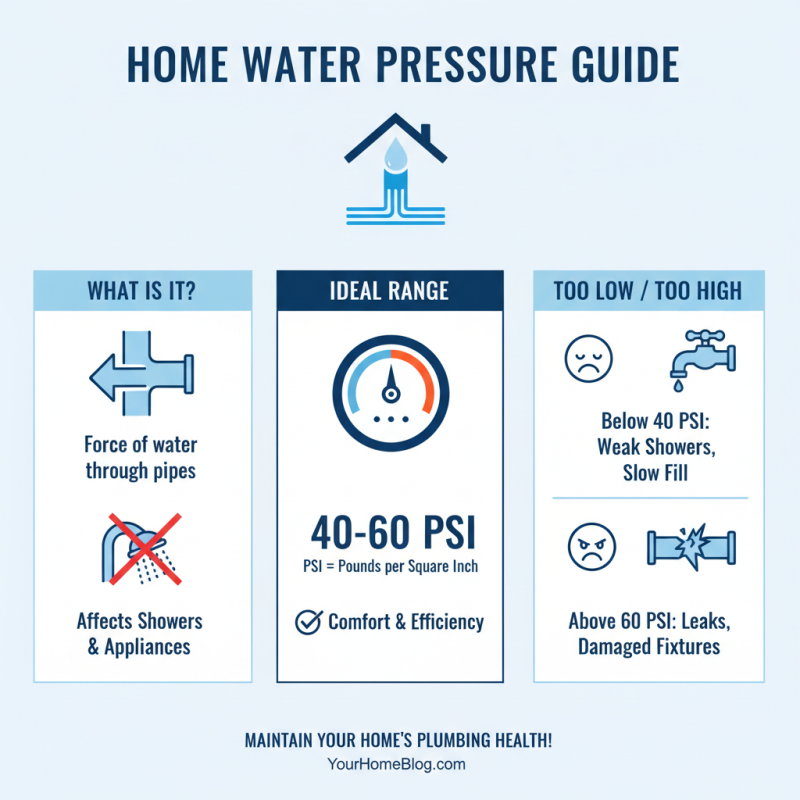
Understanding water pressure is crucial for maintaining a comfortable and functional home environment. Water pressure refers to the force at which water flows through your plumbing system, which affects everything from shower efficiency to appliance performance. In an average home, the ideal water pressure typically ranges from 40 to 60 psi (pounds per square inch). Anything below this range can lead to weak showers and inefficient washing machines, while excessively high pressure can damage plumbing fixtures and lead to leaks.
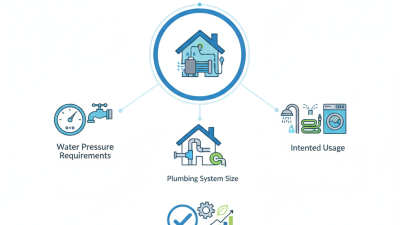
It's essential to assess your home's specific water needs to ensure optimal pressure levels. Factors such as the number of bathrooms, kitchen fixtures, and irrigation systems directly influence your overall requirements. Additionally, fluctuations in municipal water supply can lead to inconsistencies in water pressure, making a booster pump a worthwhile consideration. By understanding these dynamics, homeowners can make informed decisions when selecting the right water pressure booster that meets their unique needs and enhances their daily living experiences.
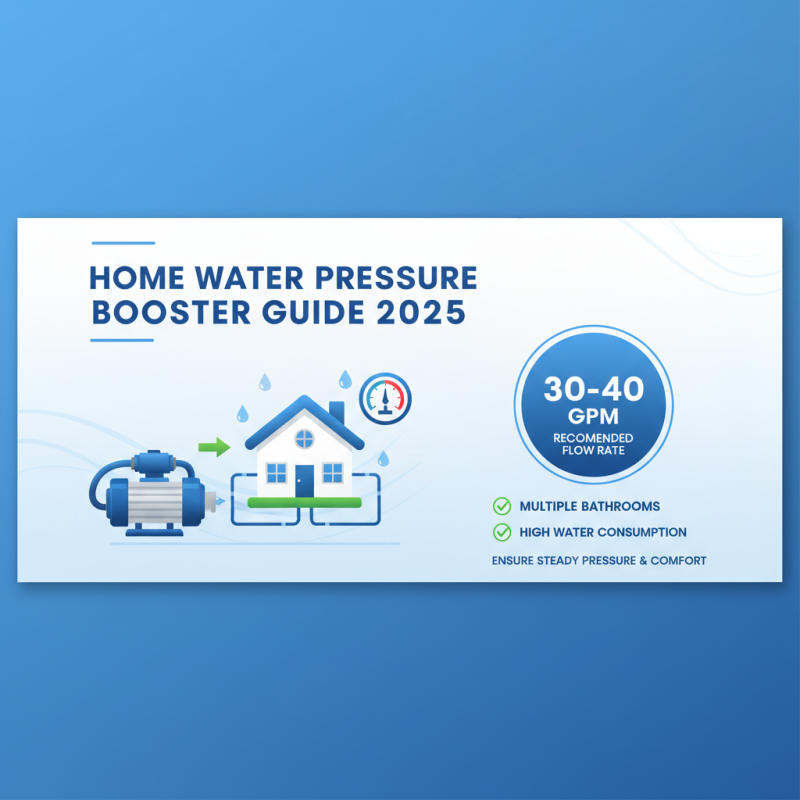
When selecting a water pressure booster for your home in 2025, it’s crucial to focus on key features that enhance performance and efficiency. One of the primary aspects to consider is the pump capacity, typically measured in gallons per minute (GPM). According to the Water Quality Association, homes experiencing water pressure issues often benefit from boosters that can deliver between 30-40 GPM, ensuring sufficient flow for multiple outlets simultaneously. This is particularly vital for households with high water consumption or multiple bathrooms, where steady pressure is essential for comfort and convenience.
Another important feature is the booster’s energy efficiency. Modern models incorporate smart technology that adapts to water usage patterns, which can lead to a significant reduction in energy costs. A study by the U.S. Department of Energy indicates that homes utilizing energy-efficient pumping systems can save up to 30% on electricity bills. Additionally, noise level should not be overlooked; quieter models enhance user experience without disruptive sounds. Opting for units with noise-reduction technology can provide a more peaceful living environment while ensuring that your water pressure needs are met.
When evaluating different types of water pressure boosters in 2025, it’s essential to understand the specific needs of your home. There are a few primary types of boosters available: inline boosters, whole-house systems, and variable speed pumps. Inline boosters are ideal for individual fixtures or specific areas in the house where water pressure might be low, making them a cost-effective choice for targeted applications. Whole-house systems, on the other hand, offer a comprehensive solution that provides consistent water pressure throughout your entire home, which is perfect for larger residences.
Tip: When selecting a water pressure booster, always take into account the flow rate and pressure requirements of your home’s plumbing system. This will ensure that the booster you choose can handle your household's water usage efficiently.
Variable speed pumps are becoming increasingly popular due to their ability to adjust pressure according to demand, providing energy savings and reducing noise when less water is being used. These pumps are ideal for homes with fluctuating water pressure needs, as they can maintain optimal performance without a constant high energy draw.
Tip: Consider the noise level of the pump, especially if it will be installed near living areas. Opt for models designed with sound-dampening features to ensure comfort in your home while maintaining water pressure.
When considering a water pressure booster for your home in 2025, a thorough cost analysis is crucial for making an informed decision. The initial investment typically includes the purchase price of the unit, installation costs, and any necessary plumbing modifications. Depending on the complexity and size of the system, these expenses can vary significantly. Homeowners should budget not only for the immediate costs but also for any potential maintenance and repair expenses that may arise over time.
In contrast, the long-term benefits of installing a water pressure booster can outweigh the initial costs. A properly functioning booster enhances water pressure, ensuring a consistent and comfortable flow for daily activities such as showering and using appliances. This improvement often leads to greater energy efficiency, as appliances that rely on water pressure (like dishwashers and washing machines) can operate more efficiently, potentially reducing utility bills. Additionally, better water pressure can contribute to the longevity of plumbing systems by minimizing wear and tear. In evaluating the total cost versus the benefits, homeowners should consider how enhanced water pressure can improve both their quality of life and their home’s value over time.
When installing a water pressure booster in your home, several installation considerations come into play. First, you need to assess the current plumbing layout to determine the most effective placement for the booster. Ideally, the booster should be installed close to the main water supply line to ensure maximum efficiency. Additionally, check the electrical supply requirements, as some boosters may need a dedicated circuit for optimal operation. Proper alignment and secure mounting are also crucial to prevent any vibrations that could lead to wear over time.
Maintenance of your water pressure booster is essential for prolonged performance. Regularly inspect the unit for any signs of wear or leaks, and ensure that the inlet and outlet connections are secure. It’s also advisable to check the pressure settings periodically to confirm they are within the optimal range for your home. Flushing the system every few months can help remove any sediment build-up that could impede performance.
Tips: To maintain the efficiency of your water pressure booster, schedule routine checks every six months. Keep an eye on the pressure gauge; fluctuations may indicate issues that need addressing. Finally, make sure to clean or replace filters as recommended, as clogged filters can severely restrict water flow and pressure.
| Feature | Description | Importance Level |
|---|---|---|
| Flow Rate | Measured in gallons per minute (GPM), indicates how much water the booster can supply. | High |
| Pressure Increase | The amount of pressure boost the system can provide, typically measured in PSI. | High |
| Energy Efficiency | How much electricity the booster uses during operation. | Medium |
| Noise Level | The sound produced by the booster, important for installations near living spaces. | Medium |
| Installation Type | Options include inline, point-of-use, or whole house systems, affecting how much plumbing is required. | High |
| Maintenance Requirements | Frequency of checks and necessary upkeep to ensure longevity and efficiency. | Medium |
| Warranty | Length of time the manufacturer covers repairs and replacements. | High |
sale@harbertpump.com,
sale@harbertpump.com