How to Choose the Best Pump Solutions for Your Needs?
Choosing the right pump solutions is crucial for various industrial applications. Experts emphasize the importance of careful selection. John Smith, a renowned engineer in the pump industry, once stated, “Not all pump solutions fit every need; understanding your requirements is key.” This highlights the necessity of customized approaches.
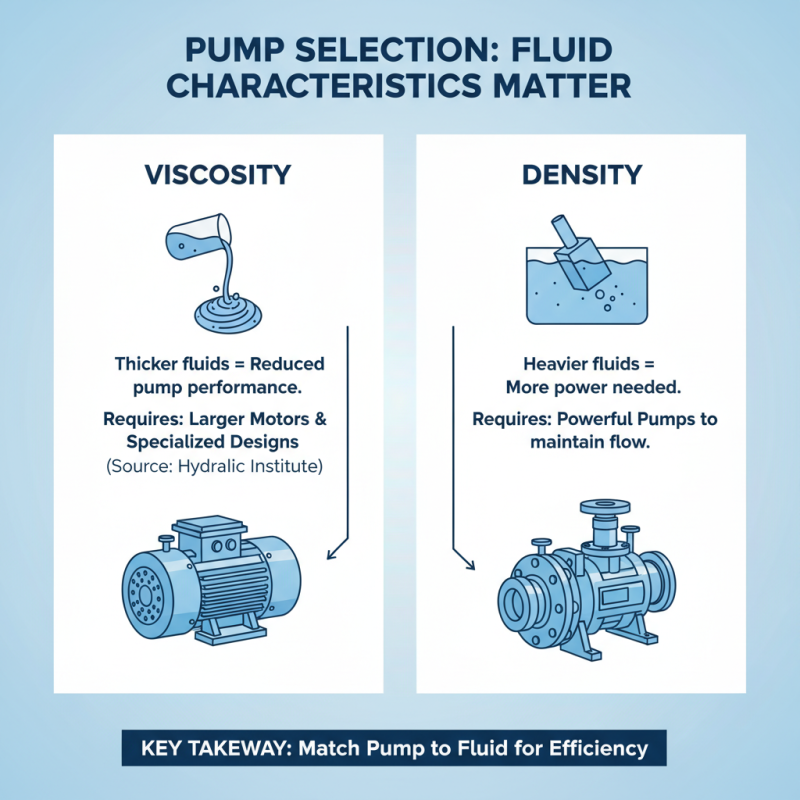
When evaluating pump solutions, consider the specific requirements of your operations. Factors like flow rate, pressure, and fluid characteristics play vital roles. It's essential to analyze each option thoroughly. Doing so minimizes the risk of inefficiency and unexpected maintenance costs.
Moreover, many companies rush into decisions without proper analysis. This can lead to costly errors. Reflecting on the long-term implications is critical. A thoughtful strategy in choosing pump solutions not only enhances performance but also ensures reliability. Ensuring your choice aligns with operational goals will drive success in the long run.

Understanding Different Types of Pumps and Their Applications
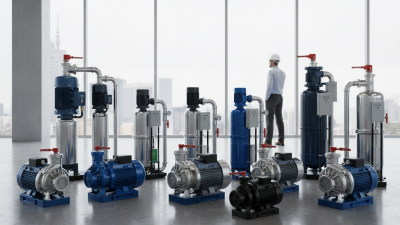
When selecting pump solutions, understanding the different types available is crucial. Pumps are classified mainly into two categories:
positive displacement and centrifugal.
Positive displacement pumps are ideal for viscous fluids. They maintain a constant flow regardless of pressure changes, making them suitable for applications in the food and pharmaceutical industries.
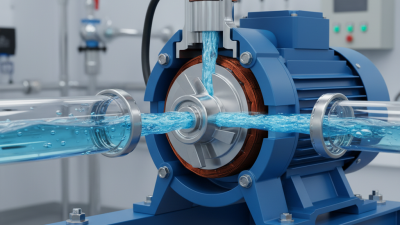
Centrifugal pumps, on the other hand, are more commonly used for low-viscosity fluids. They excel in transferring water, chemicals, and wastewater.
According to the Global Pump Market Report 2022, the market for pumps is projected to grow by 5.6% annually. The rise is driven by the water and wastewater sectors. The World Bank estimates that over 2 billion people lack access to reliable water sources. This need amplifies the demand for effective pump solutions.
However, it’s essential to evaluate the specific application and efficiency of the pumps. Not all pumps can handle the same pressure or flow rate, which sometimes leads to over-purchasing or ineffective solutions.
An often overlooked aspect is energy efficiency. Using improperly sized pumps can lead to energy waste. A report by the U.S. Department of Energy highlights that inefficient pumping systems account for 20-50% of the industrial energy use. Understanding your precise needs can mitigate costs.
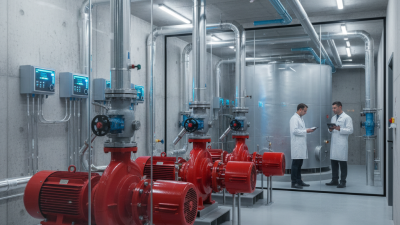
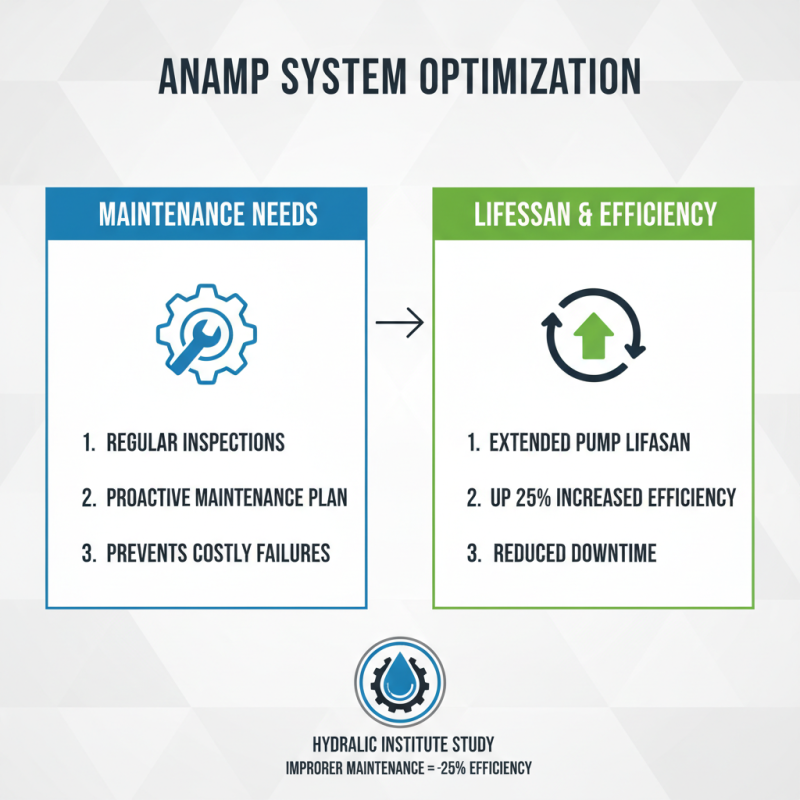
Be mindful of maintenance requirements as well; neglect can lead to failures, causing downtime. Careful analysis of your requirements against pump capabilities will yield better outcomes.
Evaluating Energy Efficiency and Operational Costs of Pump Solutions
When evaluating pump solutions, energy efficiency plays a crucial role. Efficient pumps consume less power, leading to lower operational costs. Consider pump technologies that optimize energy usage. Variable frequency drives (VFDs) can enhance efficiency by adjusting motor speed to match system requirements.
Operational costs are influenced by both energy consumption and maintenance needs. Regular maintenance ensures pumps run optimally and reduces unexpected downtime. It’s worth reflecting on the total cost of ownership, which includes installation, energy consumption, and maintenance expenses over the pump's lifespan.
Choosing the right pump is not just about initial costs. Consider the long-term impact of energy usage. Different applications may require different performance levels. A pump that works well in one situation may fall short in another. Balancing effectiveness, efficiency, and cost requires careful thought and expertise.
Comparing Brand Reliability and Customer Reviews for Pump Selection
When choosing a pump, customer reviews offer invaluable insights. People often share their hands-on experiences that can help others make informed decisions. Looking for consistency in feedback is key. A pump with numerous positive reviews usually indicates reliability. However, be cautious of overly enthusiastic reviews that may lack depth.
Brand reliability often stems from the experiences of past users. Many reviews will highlight how a pump performs over time. Were there frequent breakdowns? Did it deliver as promised? These are essential questions. Sometimes, a lesser-known brand can surprise you with better performance than leading names.
Be aware that not all reviews reflect the product’s true capabilities. Some reviews might stem from poor installation rather than pump faults. A thorough read will help you gauge trends in feedback. Then, you can weigh what’s most important for your specific needs. Relying solely on ratings can lead to disappointment; thus, context and details are critical.
How to Choose the Best Pump Solutions for Your Needs?
| Pump Type |
Brand Reliability (1-5) |
Average Customer Rating (1-5) |
Key Features |
Common Applications |
| Centrifugal Pump |
4 |
4.5 |
High flow rate, efficient |
Water supply, HVAC |
| Diaphragm Pump |
4.5 |
4.7 |
Self-priming, can handle viscous fluids |
Chemical transfer, food processing |
| Submersible Pump |
4.2 |
4.3 |
Compact, reliable in underwater applications |
Sump drainage, irrigation |
| Gear Pump |
4.6 |
4.4 |
High pressure, precise flow control |
Hydraulic systems, fuel transfer |
| Peristaltic Pump |
4.3 |
4.6 |
Gentle handling, minimal contamination |
Pharmaceutical, water treatment |
Analyzing Maintenance Needs and Lifespan of Various Pump Systems
When assessing pump systems, maintenance needs and lifespan are vital factors. A study by the Hydraulic Institute indicates that improper maintenance can reduce pump efficiency by 25% or more. Regular inspections are necessary. These can help to identify wear and prevent costly failures. A proactive maintenance plan can extend the lifespan of pumps significantly.
Different pump types offer varying lifespans. Centrifugal pumps can last 10 to 15 years, while positive displacement pumps may last up to 20 years. However, factors such as operational conditions play a crucial role. For example, high-temperature or corrosive environments can shorten a pump's lifespan. Routine checks of seals and bearings are essential to ensure optimal performance.
It's important to consider the long-term cost of ownership. A report by the American Society of Mechanical Engineers suggests that maintenance can account for up to 50% of a pump's total life cycle cost. Organizations must weigh initial investments against potential maintenance and operational expenditures. Failure to do so could lead to unexpected breakdowns and increased downtime. Regular training for personnel can also enhance reliability and efficiency, aiding in early problem detection.