
Choosing the right Metal Tool Box is essential for any tradesperson or DIY enthusiast. Renowned expert Alice Thompson, a veteran in tool organization, emphasizes, “A good tool box can transform messy chaos into accessible order.” Her insight speaks to a common challenge: finding a tool box that fits both needs and space.
There are numerous factors to consider when selecting a Metal Tool Box. Size, compartment design, and durability are crucial. A box that superficially seems perfect could fail to meet your storage demands or be too cumbersome to carry. Scrutinize features like dividers and trays. They can make a significant difference in keeping tools handy and organized.
Moreover, reliability is key in the Metal Tool Box industry. Cheap options might lure you with low prices, but they often compromise quality. Reflecting on your past experiences with tools can guide you. Every time you struggle with disorganized tools or inadequate storage, remember that learning from those missteps leads to making better choices in the future.
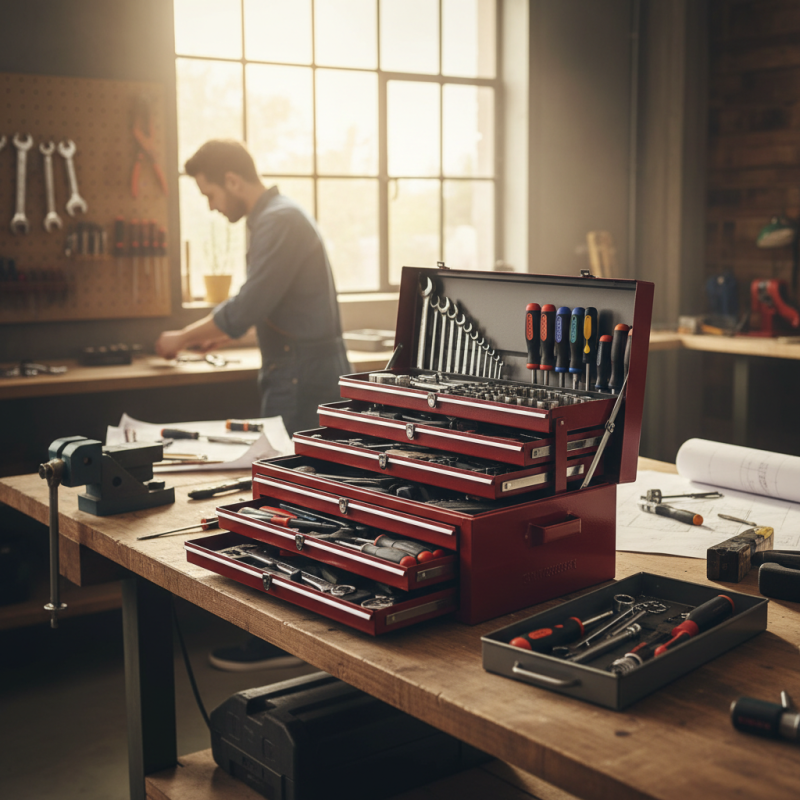
When considering your storage needs, start by assessing the tools you own. Different tools require different storage options. For small tools, a compact metal box may suffice. For larger items, you might need a more spacious solution.
Tips: Measure your largest tool to ensure it fits. The right size prevents damage. Consider the layout of your workspace. A well-organized space enhances productivity.
Think also about portability. If you move your tools often, a lightweight option can be beneficial. Weight should not limit your efficiency. Some might prioritize aesthetics over function, leading to suboptimal choices. Reflect on your actual usage and make adjustments as necessary.
Tips: Choose a box with ample compartments. This helps keep your tools organized and allows for quick access. Rethink your storage periodically to adapt to your ever-changing needs. A well-chosen metal toolbox can simplify your workflow and protect your investments.
Choosing the right metal toolbox is crucial for efficient organization and protection of your tools. When evaluating materials, look for sturdy options like steel or aluminum. Steel offers durability and strength but may be heavier. Aluminum is lightweight yet resilient. Inspect the gauge of the metal as well; thicker metal generally provides better protection against impacts and wear.
Construction quality matters just as much as the material. Check for solid welds and secure joints. A poorly assembled toolbox can compromise its longevity. Look for boxes with a rugged finish to resist rust and corrosion. Features like reinforced corners and ergonomic handles enhance usability. Not all toolboxes are created equal, and minor imperfections in design can lead to frustration in usage.
Consider your specific needs, such as portability versus storage size, to ensure you select a toolbox that truly meets your requirements.
When choosing a metal tool box, usability is paramount. Start by considering size and weight. A sturdy toolbox should be easy to carry, especially if you have to move it often. The right size depends on the tools you own. Avoid buying a box that's too big; it may lead to clutter. A smaller box encourages organization.
Tips: Think about your tool inventory. Measure your largest tools to ensure a good fit. Take note of how often you access tools. Regular use means you need quick access. Look for customizable inserts. These keep tools from shifting during transport.
Next, examine the locking mechanism. A secure latch adds safety, especially for portable boxes. It should be easy to operate but not flimsy. Check reviews focusing on durability. Look for rust-resistant finishes. A well-made toolbox offers longevity and reliability.
Tips: Test the latch before purchase. Does it feel secure? Consider the handle too. Is it comfortable? An uncomfortable handle can lead to strain. Assess where and how you plan to use your toolbox, as this shapes its required features.
When selecting a metal tool box, size and portability are crucial factors. A compact design suits those with limited storage space. Smaller boxes are lightweight and easy to transport, making them ideal for quick jobs. Larger options provide ample storage for various tools but can be cumbersome. Consider your work habits and the types of projects you handle frequently.
Portability is also essential. Some tool boxes come with wheels, allowing for easy movement. Others feature sturdy handles for carrying. Think about whether you need to move your tools often or if they will stay in one place. A box that weighs too much can deter you from using it. Evaluate your typical use; balance between capacity and ease of movement is key.
Reflect on your needs when choosing a box. A size that seems perfect may fall short during actual use. Portability may not matter if you work primarily from a single location. Each person's requirements vary. Assessing how you utilize your tools will help in making the right choice.
| Size | Capacity (Cubic Inches) | Weight (lbs) | Portability Option | Price ($) |
|---|---|---|---|---|
| Small | 300 | 5 | Handheld | 30 |
| Medium | 600 | 10 | Rolling | 50 |
| Large | 1200 | 15 | Stationary | 80 |
| Extra Large | 2400 | 25 | Heavy-Duty | 150 |
When selecting a metal tool box, budget plays a crucial role. Understanding your financial limits helps narrow down options. Metal tool boxes vary widely in price. Higher prices often indicate better durability and features but may not always justify the cost. Evaluate your needs before spending.
Consider how many tools you own and how often you will use the box. A more robust option is a good investment for frequent users. Here are some tips:
sale@harbertpump.com,
sale@harbertpump.com