
Choosing the right Marine Silicone Hose is crucial for ensuring optimal performance in marine applications. According to recent industry reports, the demand for high-quality silicone hoses in the marine sector has increased significantly. This growth is driven by the need for durability, flexibility, and resistance to extreme environmental conditions.
Marine Silicone Hoses offer advantages such as high-temperature resistance and excellent aging properties. These features are essential for long-term reliability in harsh marine environments. However, not all silicone hoses are created equal. Understanding the differences in quality can be challenging for consumers.
Investing in a subpar Marine Silicone Hose can lead to costly repairs or even safety hazards. As a result, careful selection is vital. Brands vary widely in their manufacturing processes and materials. Thus, it is important to research and compare products, focusing on certifications and user reviews to make an informed decision. This ensures that the Marine Silicone Hose you choose meets your specific needs and expectations.
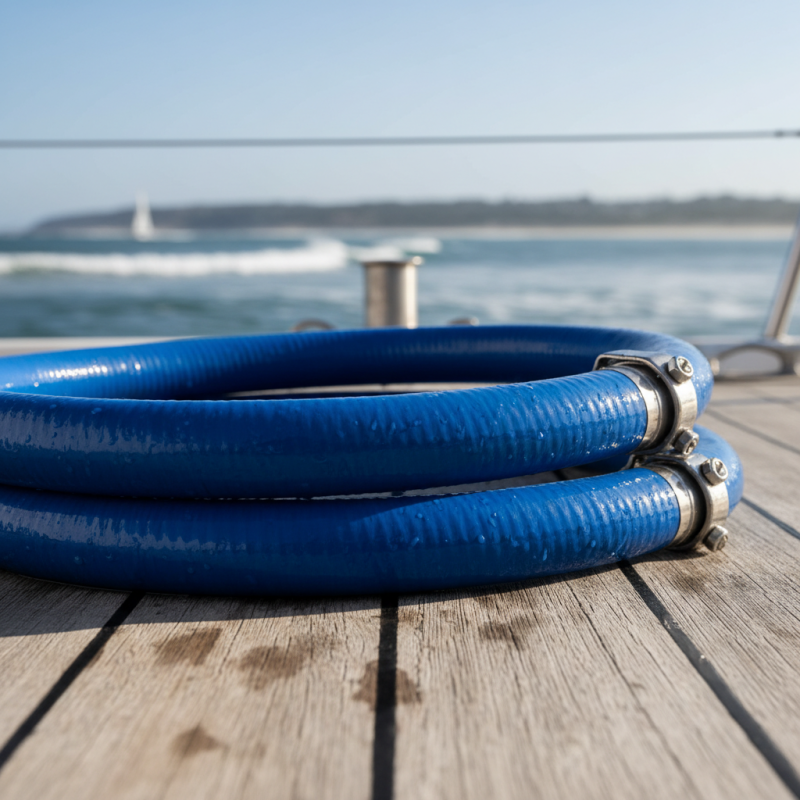
Choosing the right marine silicone hose is crucial for any boating enthusiast. When selecting a hose, consider the specific needs of your vessel. Each boat has unique requirements based on engine type, operating conditions, and fluid dynamics.
Durability is a primary factor. Ensure the hose can withstand high temperatures and pressures. Look for reinforced styles to resist mechanical wear. Compliance with marine standards is also critical. Verify that the hose meets or exceeds industry specifications. This can significantly affect safety and performance.
Tips: Always check the hose's flexibility. A flexible hose can be easier to install and adjust. Evaluate the size accurately. An ill-fitting hose can lead to leaks or system failure. A common oversight is overlooking the hose’s lifespan. Regularly inspect for signs of aging, such as cracking or stiffness.
Consider the environment. The hose should resist exposure to saltwater and UV light. Another important aspect is flow capacity. A well-designed hose should minimize turbulence for better efficiency. Regular maintenance is essential for longevity. Neglect may lead to problems that could have been easily avoided.
Finding the best marine silicone hose takes careful thought. Prioritize your specific needs, and you will set sail with confidence.
Marine silicone hoses come in various types, each suited for specific applications. Choosing the right type involves understanding their unique properties. Reinforced silicone hoses, for instance, offer excellent flexibility and can withstand high pressures. According to a report by the Marine Equipment Council, these hoses are essential for engine cooling systems, ensuring optimal performance under extreme conditions.
Another common type is the straight silicone hose, often used in various marine systems for fluid transfer. Their ability to resist UV rays and ozone provides added durability. Research shows that UV resistance can extend the lifespan of hoses significantly, making them a reliable choice for outdoor marine applications. However, users should be cautious about their temperature ratings. Operating beyond the recommended limits can lead to premature failure.
Some features may seem appealing but require careful consideration. Anti-kink designs prevent bending, but they can limit flexibility in tight spaces. This could impact installation. It’s vital to evaluate your system's specific needs. Consulting technical specifications helps ensure you select the most suitable silicone hose for your marine requirements.
Selecting the right marine silicone hose is crucial for any boating enthusiast. One key aspect to consider is the temperature rating of the hose. Marine environments can be harsh, with high temperatures occurring from hot engines. Choosing a hose that can withstand these conditions prevents degradation and potential failures. Look for hoses that have clearly defined temperature ratings, ideally suited for marine applications.
Pressure ratings are just as important. A hose that can't handle the necessary pressure may burst. This can lead to leaks or system failures. Check the specifications for the maximum pressure the hose can tolerate. Higher pressure ratings (typically in psi) indicate better durability. Remember, not all hoses are created equal. A hose might perform well under normal conditions but fail under extreme pressure.
Regular inspections of hoses are recommended. Look for signs of wear, cracks, or discoloration. These can indicate that a hose is nearing the end of its life. Reflect on past experiences where neglecting hose maintenance led to problems. Taking time to choose a quality product and maintaining it diligently ensures better longevity and performance in your marine applications.
Choosing the right marine silicone hose begins with understanding its compatibility with various marine fluids and chemicals. Marine environments can be harsh, exposing hoses to water, fuel, oil, and other chemicals. Different applications require different levels of resistance. For example, fuel hoses must withstand hydrocarbons without degrading.
When evaluating compatibility, consider the specific fluids in your system. Some hoses may resist saltwater but not certain oils. Always check material specifications. This will help determine if a hose can handle exposure to chemicals like antifreeze or cleaning agents. Look for detailed chemical resistance charts to guide your decision.
It’s not just about immediate use; think long-term. Hose failure can lead to leaks or equipment damage. Reflect on past choices. Were they based on brand reputation or actual performance data? Ensuring compatibility can save you time and maintenance costs in the future. A thorough assessment is key to making an informed decision.
Proper maintenance of marine silicone hoses is crucial for their longevity. Regularly inspect your hoses for any visible signs of wear or damage. Look for cracks, soft spots, or deformation. These signs can indicate that the hose is beginning to fail. Replacing a damaged hose promptly can prevent larger issues.
Cleaning is also essential. Use mild soap and warm water to remove any accumulated grime. Avoid harsh chemicals, as they can degrade the silicone material. Rinse thoroughly and allow the hose to air dry. Ensure that the hoses do not see excessive UV light, as prolonged exposure can lead to deterioration. Consider covering them when not in use.
Installation plays a key role in performance. Ensure the fittings are secure but not overtightened. Loose connections can lead to leaks, while overtightening may damage the hose. Take the time to check these connections regularly. Ensure that there is no unnecessary strain on the hoses during motion. Regular attention to these details will enhance the lifespan and reliability of your marine silicone hoses.
sale@harbertpump.com,
sale@harbertpump.com