
Choosing the best Large Luggage for your travels can be daunting. The large luggage market is rapidly shifting, valued at over $17 billion in 2023. Travelers need reliable options that balance size, durability, and weight. According to industry expert James Porter, "Finding the right large luggage can significantly impact your travel experience."
In recent years, many have reported struggling with bulky and heavy luggage. This often leads to frustration and extra fees at the airport. With airlines becoming stricter on weight limits, selecting the right large luggage is crucial. Features such as reinforced wheels and durable material can make a difference.
Many travelers overlook the importance of interior organization and expandability. These factors can enhance packing efficiency, yet they are often neglected. Prioritizing these elements can lead to better packing strategies. Ultimately, understanding your travel needs will guide your choice of large luggage, ensuring a smoother journey.
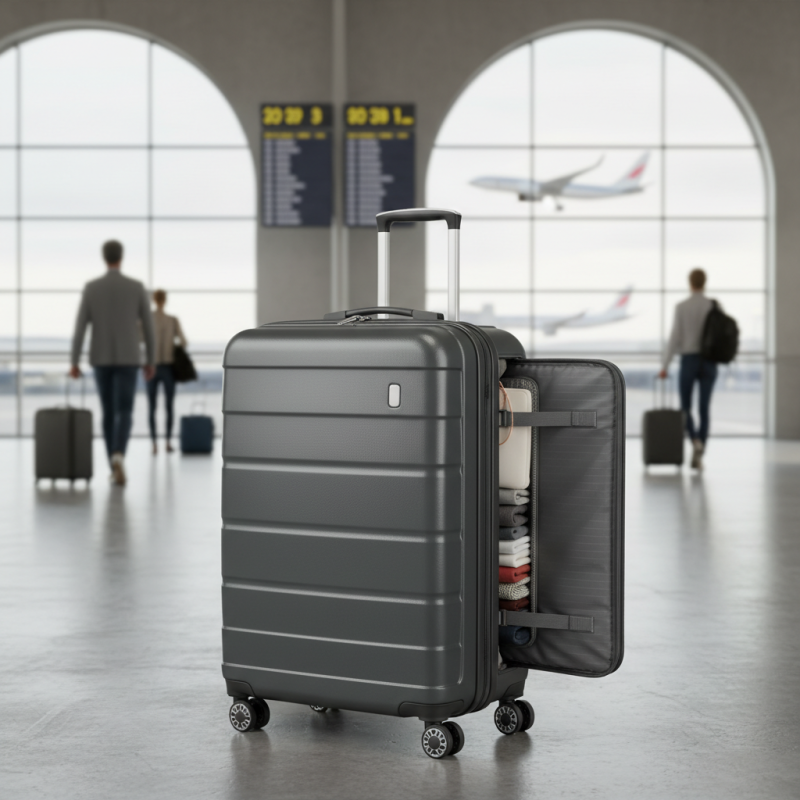
Choosing the right large luggage involves considering several key factors that can impact your travel experience. First, think about size and capacity. Most airlines allow checked luggage of up to 62 linear inches. This includes length, width, and height. Selecting a bag that fits these dimensions is crucial to avoid extra fees. According to industry reports, nearly 30% of travelers face baggage fees due to oversized luggage.
Durability is another essential factor. Hard-shell suitcases often outperform soft-sided options in protection against impacts. However, soft-sided bags can offer more flexibility and lighter weight. Look for materials that resist wear and tear, like polycarbonate or ballistic nylon. Remember, the average traveler uses their luggage around 5–7 times per year, making its lifespan critical.
Tip: Always check the wheels. A smooth roller system often lasts longer and improves maneuverability.
Security should not be overlooked. Most large luggage comes with zippers and locking mechanisms. However, additional locks can enhance safety. Reports indicate that 1 in 5 travelers experiences lost or stolen luggage.
Tip: Consider tagging your luggage with unique identifiers to increase its chances of being returned. Regularly reviewing these factors will ensure your travel experience remains enjoyable and hassle-free.
When choosing large luggage, consider the difference between hard shell and soft shell. Hard shell luggage offers superior protection for fragile items. Its durable exterior is usually made from polycarbonate or ABS materials, which resist impact well. However, this type may be heavier and less flexible when packing. It also lacks exterior pockets, making organization a bit challenging.
Soft shell luggage, on the other hand, is lightweight and more adaptable. It's often made from fabric, allowing for expansion beyond its normal size. This flexibility can be a big plus if you need extra space for souvenirs. Soft shell bags often come with external pockets for easy access to essentials. However, they may provide less protection against heavy impacts or harsh weather.
**Tip:** Think about how often you travel and the types of items you carry. If you frequently bring back fragile souvenirs, hard shell may be your best choice.
**Tip:** Remember to check the weight limits for airlines. Soft shell luggage may save you weight, allowing extra room for your belongings.
Reflect on your travel style. If you're a light packer, a soft shell could be sufficient. If you prefer to bring more items, a hard shell offers deeper protection.
When selecting large luggage, size and capacity must align with your travel needs. Research indicates that 70% of travelers prefer checked bags over carry-ons for extended trips. Understanding your destination is crucial in this decision. If you're headed to a place with limited shopping options, bigger luggage may be necessary.
For many, a suitcase with 69-75 liters is most suitable. This size can accommodate a week’s worth of clothing without difficulties. However, larger options may not always be the best choice, especially if you're traveling by air. Airlines often impose strict weight limits. A heavy bag can lead to added fees.
Take into account the number of compartments as well. Specialized sections for shoes or dirty laundry can be invaluable. Yet, travelers often overlook organization; a disorganized bag can make packing and unpacking stressful. It’s essential to balance capacity with practicality while remembering the limits of what one can carry. Plan thoughtfully to prevent overpacking or unnecessary stress.
When selecting large luggage for travel, consider the bag's material. Durable materials, like ballistic nylon or polycarbonate, resist wear and tear. Waterproof fabrics are even better for unexpected rain. You'll appreciate sturdy zippers as well. They should glide smoothly, yet remain secure. Weak zippers can cause unwanted delays.
Next, focus on the luggage's internal organization. Compartments and pockets help keep items tidy. A separate compartment for shoes can save space. Additionally, elastic straps hold clothes in place. This organization helps during hectic travel days. Look for luggage with expandable options too. Sometimes, you need just a bit more room.
Wheels also matter. Choose luggage with four wheels for easy movement. They allow for greater maneuverability in crowded airports. However, some bags with two wheels offer quieter rides. Reflect on your travel style. What works for one person may not work for another. Ensure you select luggage that suits your unique needs and preferences.
When budgeting for large luggage, start by determining your price range. Knowing your budget will help narrow down options. Look for luggage that provides durability and ample storage space. High-quality materials often last longer and withstand rough handling. Consider features like wheels, handles, and zippers. These details impact your travel experience.
Research online and read reviews before making a decision. User experiences can offer insights into a product’s reliability. However, remember that not all reviews reflect true quality. Sometimes, pricing can create bias. Balancing cost and quality may require some compromises on features.
Don’t shy away from exploring second-hand options. Pre-owned luggage can offer significant savings. Yet, be cautious; ensure it’s in good condition before purchasing. Investing time in research is crucial. You may question your choices at times. Trust your instincts, and remember that sometimes you cannot find perfection within your budget.
sale@harbertpump.com,
sale@harbertpump.com