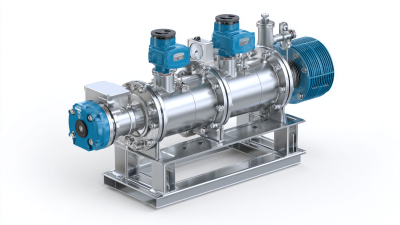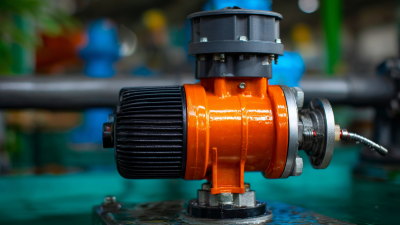
When it comes to enhancing water pressure in residential settings, choosing the right residential water booster pump is crucial for ensuring consistent and reliable performance. According to John Smith, a leading expert in hydraulic systems and water management, “A properly selected residential water booster pump can make a significant difference in the quality of your water supply, impacting everything from shower pressure to irrigation efficiency.” This statement underscores the importance of understanding your specific needs before making a purchase.
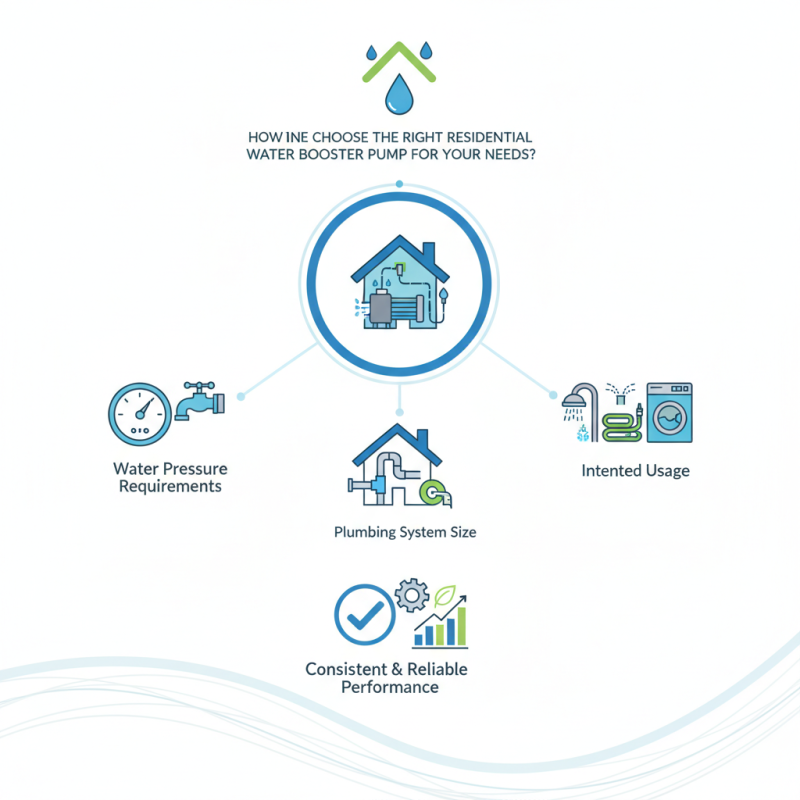
In today's market, with numerous options available, homeowners often face the challenge of selecting the most suitable residential water booster pump. Factors such as your home's water pressure requirements, the size of your plumbing system, and the intended usage all play vital roles in this decision-making process. By taking these elements into account, you can ensure that the pump you choose will meet your demands effectively, providing a steady flow of water where you need it most. Understanding these aspects not only helps in making an informed choice but also promotes the longevity and efficiency of the system you invest in.
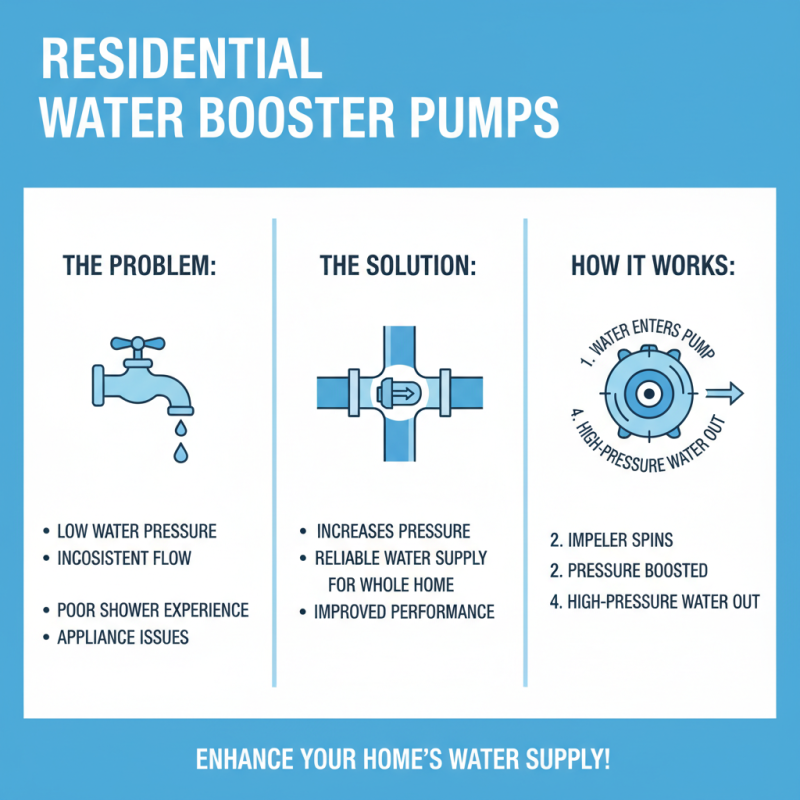
Residential water booster pumps are essential devices designed to enhance water pressure in home plumbing systems. Understanding the basics of these pumps is crucial for homeowners who experience low water pressure or inconsistent flow. Generally, a booster pump works by increasing the pressure of incoming water, ensuring that every outlet in the home receives an adequate and reliable water supply.
These pumps come in various types, including single-stage and multi-stage options, each suited for different pressure requirements. Homeowners should assess their specific needs, such as the number of bathrooms, appliances, and overall water usage, to determine the appropriate pump size and capacity. Furthermore, a good understanding of the pump's flow rate, along with the vertical lift height, can help in selecting a model that efficiently meets the home's water demands. Overall, recognizing these essential features can guide in making a well-informed decision when investing in a residential water booster pump.
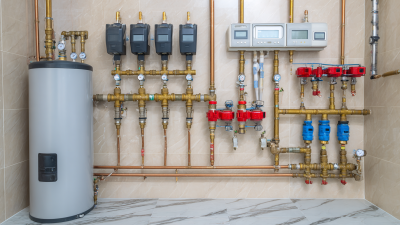
Understanding your water pressure needs is essential when selecting a residential water booster pump. The first step is to evaluate the current water pressure in your home. This can be done using a simple pressure gauge that measures the pressure in pounds per square inch (PSI). Most households benefit from a pressure range between 40 to 60 PSI. If your readings are below this range, a booster pump can help to increase the water pressure, enhancing the overall water flow throughout your home.

Additionally, it’s important to consider the specific requirements of your household. Think about the number of water outlets you regularly use, such as showers, taps, and appliances. High-demand situations, like running multiple showers or watering a garden simultaneously, require more pressure. Furthermore, take into account the distance between your water source and where the water needs to be delivered, as longer distances can lead to pressure loss. By identifying these factors, you can accurately determine the size and power of the booster pump that will best suit your home’s needs, ensuring a consistent and reliable water supply.
| Pump Type | Max Pressure (psi) | Flow Rate (GPM) | Suitable for | Energy Efficiency Rating |
|---|---|---|---|---|
| Single Stage Booster Pump | 60 | 10 | Residential Homes | B |
| Multi-Stage Booster Pump | 80 | 15 | Large Homes | A+ |
| Variable Speed Booster Pump | 70 | 12 | Smart Homes | A++ |
| Constant Pressure Booster Pump | 75 | 20 | Irrigation Systems | B+ |
| Submersible Booster Pump | 100 | 25 | Deep Wells | A |
When it comes to selecting the right residential water booster pump, understanding the various types available is crucial. The three primary categories of water booster pumps are centrifugal pumps, positive displacement pumps, and submersible pumps. According to the Global Water Pump Market Report 2022, centrifugal pumps dominate the market due to their cost-effectiveness and efficiency in enhancing water pressure for household usage. They are particularly suitable for large homes and applications that require a steady flow, making them a popular choice among homeowners.
Positive displacement pumps, on the other hand, provide a different approach by mechanically trapping a fixed amount of water and forcing it into the plumbing system. This type is beneficial for situations where high pressure is needed, such as multi-story buildings. Data from the Water Systems Council indicates that while these pumps can be more expensive to maintain, their ability to maintain consistent pressure makes them ideal for specific applications where pressure drop is a significant concern.
Lastly, submersible pumps are often employed for deeper wells; they operate while submerged in water, which helps in reducing noise and wear on the motor. The efficiency rate for submersible pumps often exceeds 85%, according to the U.S. Geological Survey. This efficiency and their compact design make them a viable option for residential use where space is limited. Evaluating these options based on your home's specific needs will ensure you select the right water booster pump for optimal performance.
When choosing the right residential water booster pump, evaluating key features and specifications is essential for ensuring optimal performance. One of the primary considerations is the pump's flow rate, typically measured in gallons per minute (GPM). According to industry reports, the average residential water demand is around 10–15 GPM for multiple fixtures running simultaneously. It’s crucial to select a pump that can deliver this flow rate under your home’s specific conditions, including elevation and distance from the water source.
Another important factor is the pump’s pressure capability, usually expressed in pounds per square inch (PSI). A standard home may require pressure levels between 40-60 PSI for effective functioning. Industry professionals suggest testing your existing water pressure to understand the required enhancements. Additionally, look for pumps with adjustable pressure settings, as this flexibility can cater to varying household demands.
**Tips:** When assessing pump specifications, always consider the material quality to ensure durability and corrosion resistance. Also, evaluate energy efficiency ratings to reduce long-term operating costs. Proper sizing of the pump is critical; an oversized pump can lead to energy wastage and increased wear, while an undersized pump may fail to meet household needs.
This chart illustrates a comparison of key features in different residential water booster pumps. The dimensions considered are pump flow rate, maximum pressure, power consumption, noise level, and price. Individuals can use these metrics to help decide which pump may be the best fit for their needs.
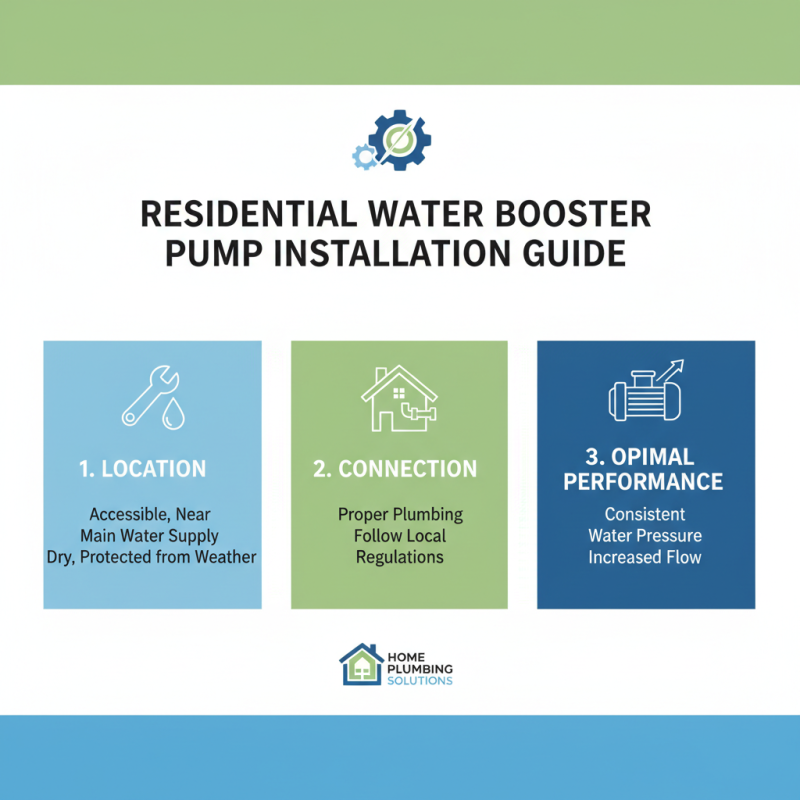
When it comes to installing a residential water booster pump, proper placement and connection are crucial for optimal performance. Begin by selecting a location that is easily accessible for maintenance while being close to the main water supply. Ensure that the area is dry and protected from extreme weather to prevent damage to the pump. Additionally, check the local regulations regarding plumbing installation to ensure compliance.
**Tip:** Before you start installation, gather all necessary tools and materials. This includes pipe fittings, hoses, and electrical connections, which can save you time and prevent unnecessary trips to get additional supplies.
Once the pump is installed, regular maintenance is key to ensuring its longevity and efficiency. Schedule routine inspections to check for leaks, inspect the electrical connections, and clean filters. Pay attention to noise levels, as unusual sounds can indicate an underlying issue that requires attention.
**Tip:** Create a maintenance log to keep track of inspections and any repairs needed. This not only helps in identifying potential problems early but also provides valuable information if professional service is required in the future.
sale@harbertpump.com,
sale@harbertpump.com