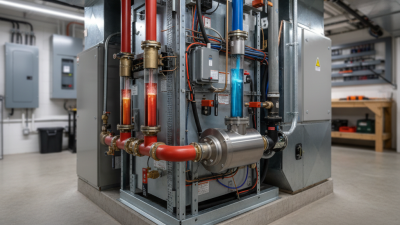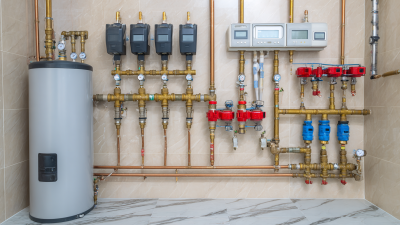
Choosing the right fire pump for your property is an essential aspect of fire safety planning that should not be overlooked. Fire pumps play a crucial role in supplying water to fire protection systems, ensuring that you are prepared to combat any fire emergencies that may arise. Whether you are a homeowner, business owner, or property manager, understanding the specific needs of your property can greatly enhance your ability to protect lives and property.
In this guide, we will explore the key considerations when selecting a fire pump, which can vary depending on factors such as property size, water supply availability, and local fire codes. From understanding pump types and specifications to evaluating your water pressure and flow requirements, making an informed decision can significantly impact the effectiveness of your fire safety measures. With the right fire pump in place, you can enjoy peace of mind knowing that you have taken proactive steps to minimize fire risks and safeguard your premises against potential threats.
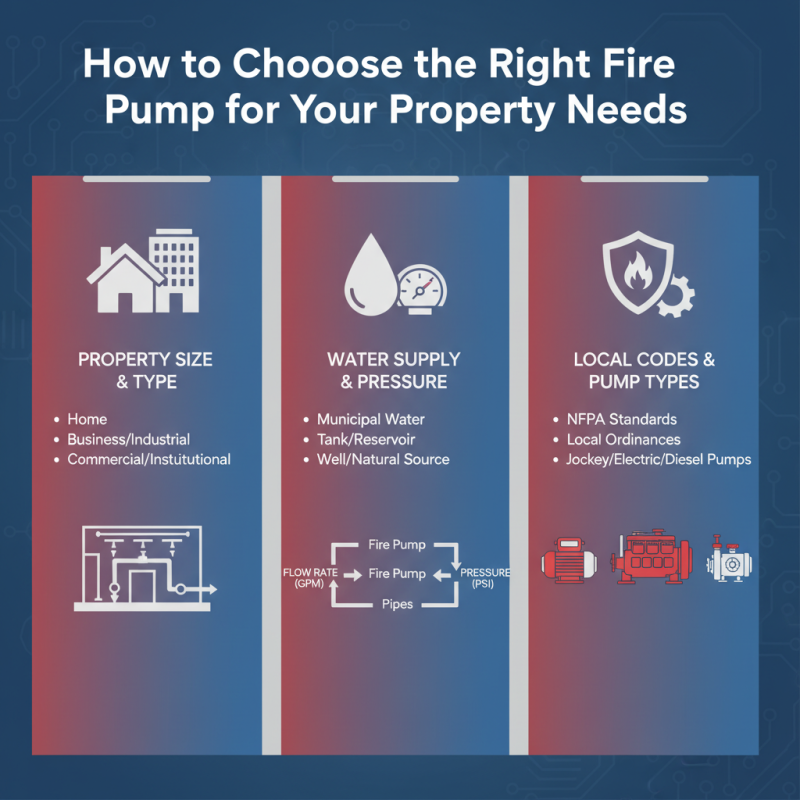
When selecting a fire pump for your property, understanding the different types available is crucial for ensuring effective fire protection. Fire pumps generally fall into two main categories: electric and diesel. Electric fire pumps are often used in areas with reliable power sources, providing a continuous and dependable water supply. They are quieter and require less maintenance compared to their diesel counterparts. On the other hand, diesel fire pumps are ideal for remote locations where electricity may not be accessible, offering robust performance and portability.
Tips: Always evaluate your property’s specific needs, including water supply sources and distance to a water body if applicable. Consult with fire protection experts to determine the ideal pump type based on your unique environmental conditions.
Additionally, consider the fire pump’s capacity and pressure ratings. The size of your property and type of potential fire hazards dictate the necessary flow rate and pressure levels. Assessing these factors can prevent costly oversights that may compromise safety.
Tips: Regularly review and test your fire pump to ensure operational readiness. It’s essential to keep up with maintenance schedules and implement routine checks for functionality and compliance with safety standards.
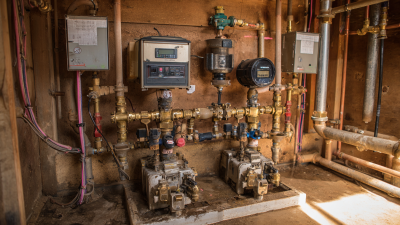
When choosing the right fire pump for your property, it's essential to first assess your property's water supply and pressure requirements. Understanding your water source is crucial; it could be municipal water, a well, or another supply. Each option has its characteristics, such as flow rate and reliability, that can significantly impact the performance of your fire protection system. Analyzing the available water supply will help you determine the appropriate pump capacity needed to ensure adequate pressure and flow during a fire emergency.
In addition to evaluating the water source, knowing the required pressure for your fire protection system is vital. Different applications and fire suppression systems demand varying pressure levels. For instance, sprinkler systems typically require higher pressure than standpipe systems. It's important to review local fire codes and specific system requirements to determine the necessary pressure for your setup. By thoroughly understanding these factors, you can select a fire pump that meets your property’s unique needs, providing peace of mind that your fire safety measures are effective and reliable.
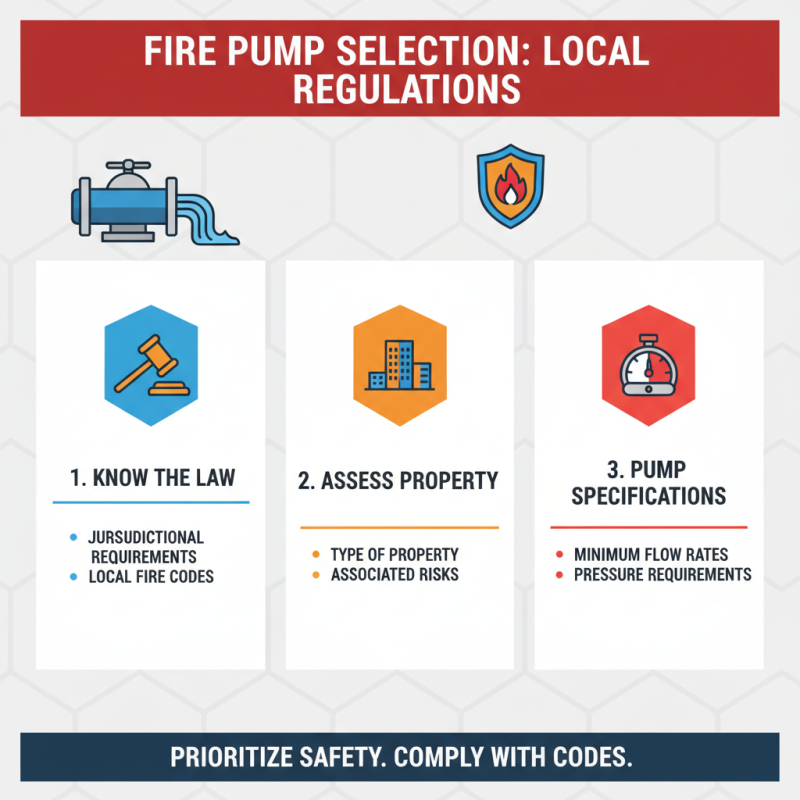
When selecting a fire pump for your property, understanding the local regulations regarding fire safety is essential. Different jurisdictions have specific requirements that dictate the size and capacity of fire pumps based on the type of property and its associated risks. Local fire codes may specify minimum flow rates and pressure requirements, which are crucial for ensuring that the fire suppression system operates effectively in an emergency. Familiarizing yourself with these regulations is a critical first step in the decision-making process.
In addition to complying with local codes, it's important to consider the unique characteristics of your property. Factors such as the building’s size, layout, and occupancy type will influence the necessary fire pump specifications. Fire pumps must be able to deliver adequate water supply at the required pressure to reach all areas of the property, especially where fire hazards are more pronounced. Assessing these aspects alongside local guidelines can help ensure that your fire pump is appropriately sized and capable of providing optimal fire protection. Engaging with fire safety professionals can also provide valuable insights and help navigate the complexities of compliance and effective water delivery systems.
When selecting a fire pump for property needs, understanding the key features and technologies involved is essential for optimal safety and performance.
One of the primary characteristics to consider is the pump's flow rate, which measures how much water it can move per minute. This specification is crucial, as the flow rate must meet or exceed the fire protection requirements of the property. Additionally, the pump's pressure rating should align with the needs of your fire suppression system to ensure adequate distribution of water where it is most needed.
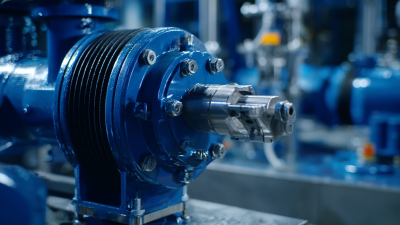
Another important aspect to consider is the type of fire pump technology. There are several different designs, including centrifugal and positive displacement pumps, each suited for specific applications.
Centrifugal pumps are commonly used due to their efficiency in moving large volumes of water quickly, while
positive displacement pumps are ideal for applications requiring high pressure at lower flow rates. Furthermore, features such as automatic controls, durable materials for weather resistance, and ease of maintenance play a vital role in the fire pump's long-term reliability.
By carefully evaluating these characteristics, property owners can select the most appropriate fire pump to ensure comprehensive fire safety.
When choosing the right fire pump for your property, maintenance and support are crucial factors that can significantly influence long-term performance. A report by the National Fire Protection Association (NFPA) highlights that approximately 80% of fire protection system failures can be attributed to inadequate maintenance. This underscores the importance of selecting a fire pump that not only meets your immediate pumping needs but also comes with comprehensive maintenance support and resources. Regular inspection and servicing are essential to ensure that the pump operates effectively in an emergency situation, and engaging with suppliers that offer scheduled maintenance can mitigate the risk of unexpected failures.
Additionally, the longevity of fire pumps can be substantially affected by the quality of support and parts availability. According to a survey conducted by the Fire Equipment Manufacturers’ Association (FEMA), facilities with a proactive maintenance plan experience a 35% increase in equipment lifespan compared to those that do not prioritize maintenance. Thus, considering a provider that offers extensive support options such as training for your personnel, easy access to replacement parts, and 24/7 customer support can enhance not just the operational lifespan of the fire pump but also ensure that your investment remains robust against future challenges. Overall, addressing maintenance and support from the outset is key to ensuring safety and functionality in the face of potential fire hazards.
sale@harbertpump.com,
sale@harbertpump.com