Choosing the right domestic sewage pumps for your home is crucial for efficient waste management. According to a report by the Pump Manufacturers Association, over 40% of homeowners face issues with inadequate sewage systems. This highlights the importance of selecting the right pump. Industry expert John Smith emphasizes, "A quality domestic sewage pump can make a difference in maintaining a healthy home environment."
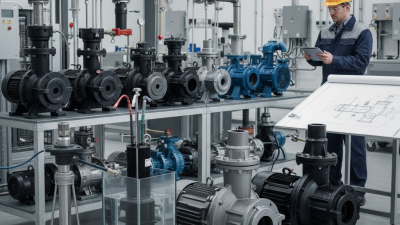
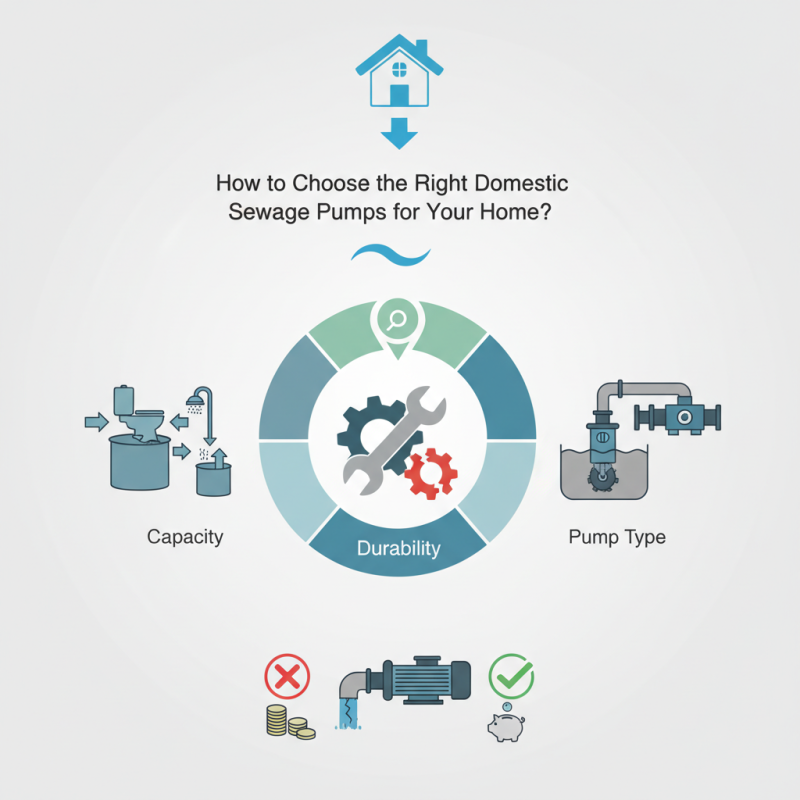
When selecting domestic sewage pumps, consider capacity, durability, and pump type. Many homeowners underestimate these factors. This can lead to frequent breakdowns and additional costs. Additionally, different models serve various needs. Understanding your home’s requirements is essential. Not every pump will fit every situation; some may struggle under heavy loads.
While it's tempting to choose the least expensive option, this can backfire. Investing in a reliable pump is wise long-term. As highlighted in a study by the National Sanitation Foundation, faulty pumps contribute to severe plumbing issues. Reflecting on these aspects can lead to a smarter decision in selecting the right domestic sewage pump for your home.
When it comes to domestic sewage pumps, understanding their function is crucial. These pumps are designed to remove wastewater from your home. They can handle various materials, including human waste, toilet paper, and other debris. Choosing the right pump begins with assessing your home’s plumbing layout.
Consider the height from which the pump needs to lift wastewater. This is known as the head height. Pumps have different capacities, so it’s important to select one that can manage your specific needs. The size and type of sewage pump can differ significantly. For instance, grinder pumps are more versatile as they can handle solids effectively.
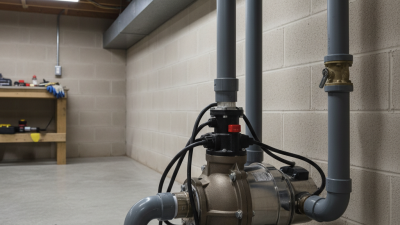
Installation plays a significant role in the pump's performance. A poorly installed pump may lead to clogs and increased wear. Pay attention to the power source as well. Some pumps operate on electricity, while others may use alternative energy. Remember to evaluate the long-term maintenance of the pump. Regular check-ups can prevent unforeseen failures and costly repairs. Making informed decisions can lead to better outcomes and a more reliable sewage system for your home.
Understanding your home's sewage needs is crucial for selecting the right domestic sewage pump. Each household has unique plumbing configurations and waste output levels. Take note of your home’s layout and the distance from the sewage outlet to the main line. Knowing these factors can help in assessing the pump's required power and efficiency.
Consider the volume of wastewater generated daily. Homes with multiple bathrooms and heavy water usage need robust pumps. Meanwhile, smaller homes may require less powerful models. Also, examine the type of waste your pump needs to handle. Different pumps are designed for varying solid waste sizes and compositions. Reflecting on these details will enhance your selection process.
Installation and maintenance are equally important considerations. Ensure the model you choose aligns with your plumbing design. Improper installation can lead to frequent breakdowns and costly repairs. Regular maintenance should also be a part of your plan. A well-maintained pump can prevent unexpected failures. Not considering these aspects might lead to regrets later on.
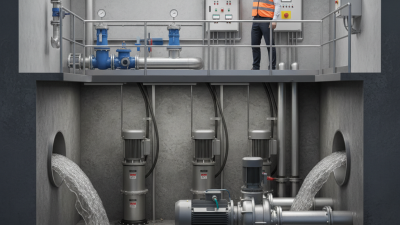
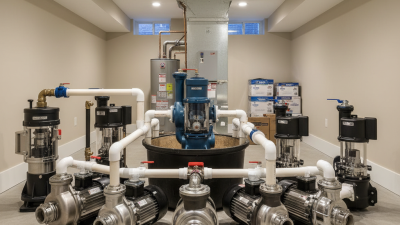
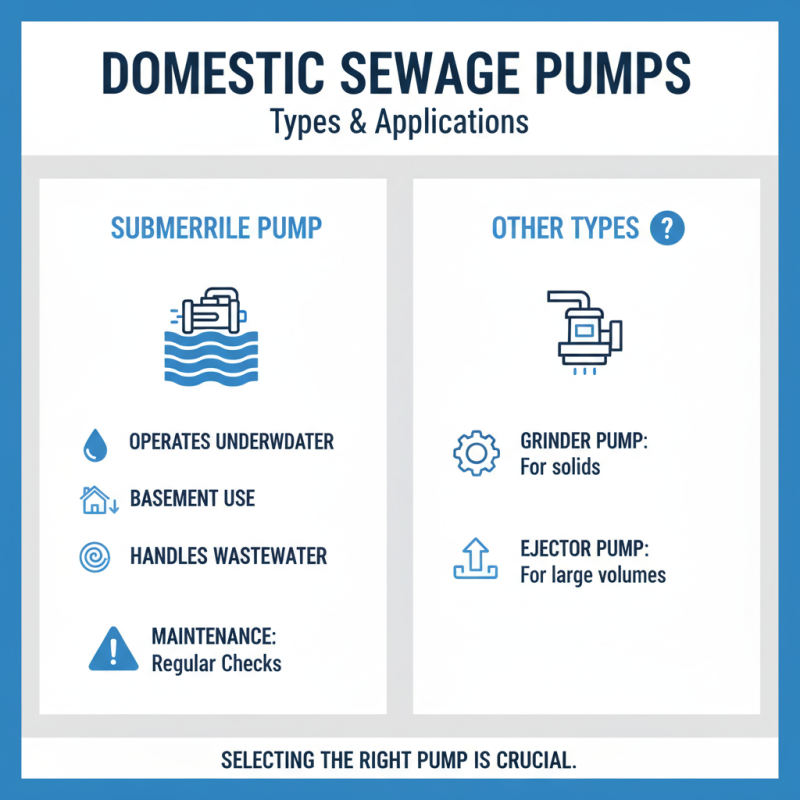
When selecting a domestic sewage pump, understanding the different types available is crucial. One common choice is the submersible pump. This type operates underwater, efficiently handling wastewater without needing additional installation. They are ideal for basement applications where space is limited. However, their maintenance can be tricky. Regular checks are essential to avoid clogs and ensure longevity.
Another option is the effluent pump. These pumps are designed to handle finer solids, making them suitable for partially treated wastewater or greywater. They are often used in systems connected to septic tanks. Yet, the reliability of these pumps can vary significantly based on installation quality. Poorly installed systems may lead to failures, causing significant inconvenience.
Then there are macerating pumps. These pumps slice waste into smaller pieces, allowing for easier transportation. They are perfect for installations where the sewage system is far from the house. However, some users experience frequent jams if non-biodegradable materials are introduced. Therefore, educating users about what can and cannot be pumped is key for optimal performance. Each type of pump comes with its unique challenges and benefits, making informed choices essential for effective waste management.
Choosing the right domestic sewage pump is crucial for maintaining a clean and efficient home. When selecting a sewage pump, consider the pump's capacity, head height, and power source. Data shows that improper selection can lead to frequent failures, costing homeowners an average of $500 annually on repairs and replacements.
Capacity is essential. Measure the wastewater flow rate to determine the size of the pump needed. A pump with insufficient capacity may not handle peak usage, resulting in backups. Head height indicates how high the pump can lift waste. A pump with inadequate head height may not effectively discharge sewage to the main line. Factors like distance and vertical rise should be calculated carefully.
Power source also matters. Electric pumps tend to be more efficient, but they require reliable electricity. In contrast, battery-operated pumps offer flexibility but may lack robustness. According to industry reports, 30% of homes experience issues due to power failures. Therefore, evaluate your specific needs and local conditions. This helps ensure a pump's longevity and optimal performance.
| Factor | Description | Importance Level |
|---|---|---|
| Pump Type | Choose between submersible or above-ground pumps based on installation location. | High |
| Capacity | Ensure the pump can handle the expected volume of wastewater and solids. | High |
| Lift Height | Calculate the vertical distance the sewage needs to be pumped. | Medium |
| Noise Level | Consider noise ratings if the pump will be near living areas. | Medium |
| Power Source | Electric vs. gas; consider backup options for power outages. | High |
| Float Switch Type | Mechanical vs. electronic float switches for activation. | Medium |
| Material | Durable materials like cast iron or thermoplastic are preferable. | High |
| Warranty and Support | Evaluate warranty terms and availability of customer support. | Medium |
Maintaining your domestic sewage pump is essential for optimal performance. Regular checks can help identify potential issues early. Inspect the pump for any unusual noises or vibrations, which may signal mechanical problems. Keep an eye on the discharge pipe for any signs of clogs. A minor blockage can lead to major backups.
Routine maintenance tasks are straightforward yet crucial. Cleaning the inlet screen can prevent debris buildup. This simple action minimizes strain on the pump. Additionally, you should periodically test the pump’s float switch. A non-functioning switch can prevent the pump from activating, resulting in unnecessary flooding.
Do not overlook the importance of a clear surrounding area. Ensure no foliage or debris obstructs the pump's operation. An optimal environment enhances pump longevity. However, even with diligent care, issues can arise unexpectedly. Have a plan in place for potential emergencies to mitigate damage and stress.
sale@harbertpump.com,
sale@harbertpump.com