
In the realm of photonics, the Acousto-Optic Modulator (AOM) stands out as a crucial component. AOMs are widely utilized in laser systems for applications such as telecommunications and material processing. According to a recent industry report, the demand for AOMs is projected to grow at a CAGR of 8.5% until 2028, reflecting their vital role in modern optical technologies.
Choosing the right AOM can significantly impact performance and efficiency. Parameters such as frequency range, optical clarity, and modulation depth should be closely examined. Many users overlook these details, leading to suboptimal system performance. Industry experts recommend thorough evaluation, as a mismatch can impede project goals.
Potential buyers must also consider integration challenges. Each AOM exhibits unique specifications affecting compatibility with existing setups. Balancing needs and available options is not straightforward. Taking time to assess requirements and seeking advice from specialists is essential. Ultimately, making an informed choice ensures that the chosen Acousto-Optic Modulator aligns with specific operational needs, enhancing overall project success.
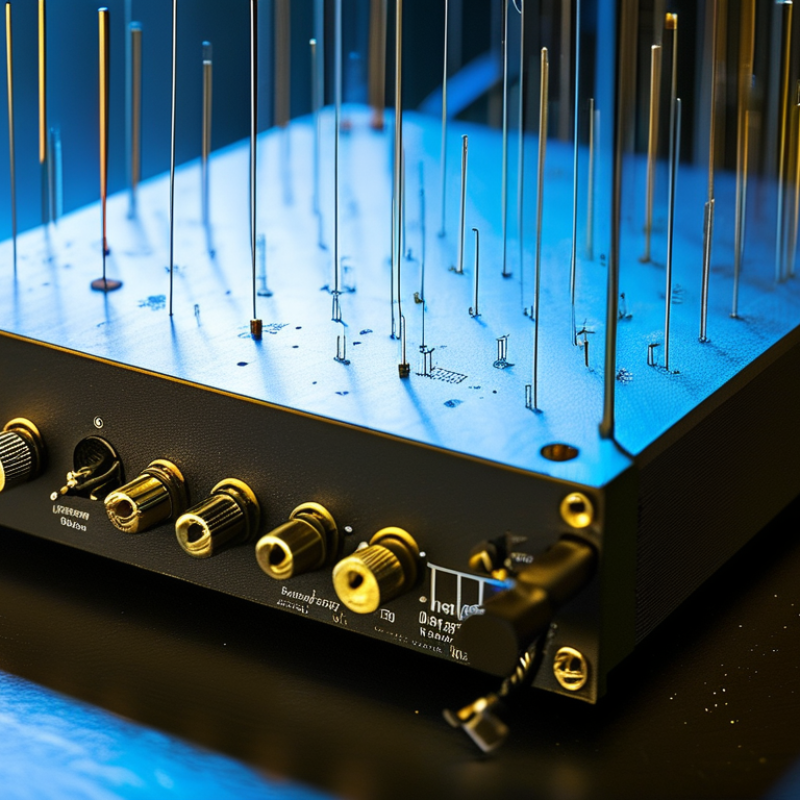
Acousto-optic modulators (AOMs) are versatile devices used in many scientific and industrial applications. Their ability to control light beams with sound waves makes them unique. AOMs can shift frequency, modulate amplitude, and change beam direction. Understanding their basic principles and functions is essential for selecting the right device.
The core principle of an AOM lies in the acousto-optic effect. When sound waves travel through a material, they create a periodic variation in the refractive index. This change affects how light interacts with the material. Different parameters, such as wavelength, diffraction efficiency, and material type, influence performance. Familiarizing oneself with these variables is crucial in matching an AOM to specific needs.
While AOMs are powerful, they are not without limitations. Some modulators may exhibit lower efficiency at certain wavelengths. Additionally, the acoustic drive frequency can also impact performance. Choosing the right AOM requires careful consideration of these factors. It is imperative to evaluate both the desired application and the physical characteristics of the AOM. An informed decision can lead to optimal results in your project.
When selecting an acousto-optic modulator (AOM), several key specifications come into play. Understanding the bandwidth is crucial. A wider bandwidth allows for more flexibility in applications, from telecommunications to laser spectroscopy. Aim for a modulator with bandwidth that matches your operational frequencies. The efficiency of the AOM is another important factor. High efficiency minimizes power loss, ensuring better performance. Look for devices with efficiency ratings that reflect your needs.
The rise time and fall time are critical parameters as well. These metrics determine how quickly the modulator can switch on and off. Slow response times can lead to signal distortion. Assessing these times can help predict how the AOM will perform in high-speed applications. Additionally, consider the material of the modulator. Different materials have varying thermal properties, which affect stability and performance under long-duration use.
Environmental factors might also influence your choice. Temperature variations can lead to performance shifts. Make sure the AOM can operate effectively under your specific conditions. While a higher price tag might suggest better quality, it's important to weigh your needs against the cost. Balancing your budget with essential features is always a challenge. A thoughtful approach will ensure you select a modulator that meets your demands efficiently.
| Specification | Description | Importance |
|---|---|---|
| Frequency Range | The operational frequency range over which the modulator can effectively function. | Critical for matching with laser source characteristics. |
| Insertion Loss | The amount of light lost as it passes through the modulator. | Affects the overall system brightness and efficiency. |
| Response Time | The time it takes for the modulator to respond to changes in input signal. | Important for applications requiring fast modulation. |
| Beam Divergence | The angle at which the beam spreads after passing through the modulator. | Affects the focusing ability and beam quality. |
| Temperature Stability | How well the modulator maintains performance across temperature variations. | Ensures reliable operation in different environmental conditions. |
| Size and Packaging | Physical dimensions and whether it fits into your system design. | Essential for integration into existing setups. |
Acousto-optic modulators (AOMs) serve critical roles in various industries, especially in telecommunications and medical technology. In telecommunications, AOMs control laser beams for data transmission. They assist in managing signal routing, ensuring clear communication over long distances. The ability to modulate light quickly is essential for high-speed data.
In medical applications, AOMs are used in laser surgery and imaging. They allow precise control of laser intensity and duration. This precision enhances safety and effectiveness in procedures. However, integrating AOMs into medical devices can be complex. Issues like stability and calibration must be carefully addressed.
Manufacturing is another sector benefiting from AOM technology. These devices improve laser cutting and engraving. They enhance material processing accuracy. Yet, challenges remain in obtaining consistent quality output. Ensuring reliability often requires extensive testing and optimization. Each application presents unique challenges. Understanding specific requirements is key to selecting the right modulator.
When selecting an acousto-optic modulator (AOM), understanding the various types available is essential. AOMs can generally be classified into several categories, including single-frequency and broadband modulators. Single-frequency modulators operate at a specific frequency. They are ideal for applications requiring stable and continuous waveforms. In contrast, broadband modulators can handle a wider frequency range. This makes them suitable for applications like spectroscopy and multi-wavelength lasers.
Another important factor in choosing an AOM is the material used. Common materials include tellurium dioxide and lithium niobate. Each material has unique properties affecting efficiency and bandwidth. Tellurium dioxide is known for its high efficiency at specific frequencies, but it may not work as well in all circumstances. Lithium niobate offers broader spectral capabilities but may have lower efficiency in certain applications. Users must weigh these factors against their specific needs.
AOM performance also depends on parameters like power handling, rise time, and insertion loss. High-power applications might require modulators designed to withstand increased thermal loads. This consideration can sometimes lead to trade-offs in speed or efficiency. It’s crucial to analyze your project requirements closely. Assessing these details can help you avoid costly mistakes and optimize your system’s performance effectively.
Integrating acousto-optic modulators into systems requires careful consideration. Start by assessing the modulation frequency needed for your application. Higher frequencies enable faster response times but may introduce complexity. A thorough understanding of your system's requirements is essential.
When incorporating an acousto-optic modulator, ensure proper alignment with the optical path. Misalignment can lead to signal loss and reduced performance. It’s vital to use precise mounts and adjust the position iteratively. This alignment process is sometimes an overlooked step but significantly impacts efficiency.
Tips: Always test your setup under various conditions. Monitor temperature fluctuations, as they can affect performance. Additionally, consider the power handling capabilities of your modulator. Understanding these specifications will help you avoid potential issues, ensuring a reliable integration into your system.
sale@harbertpump.com,
sale@harbertpump.com