Choosing the right water pressure pump can seem overwhelming. Various factors influence your decision. Understanding your specific needs is vital.
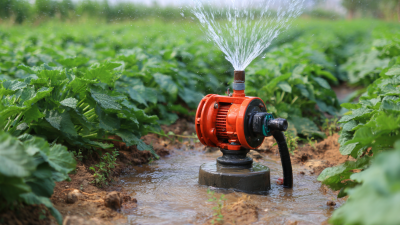
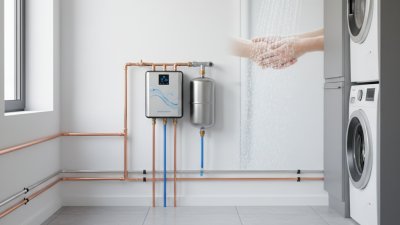
Different water pressure pumps serve different purposes. You may need a pump for irrigation, home use, or industrial applications. Each type of pump has unique features that cater to specific tasks. Assessing your needs will help narrow your options.
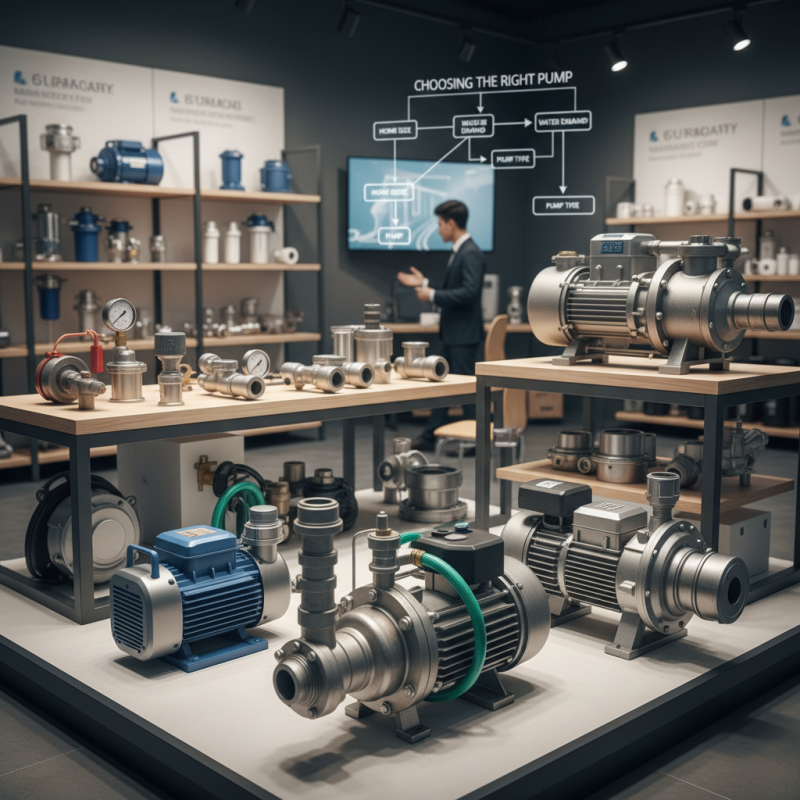
Consider the size and water demand of your property. A small home may require less power than a larger estate. Sometimes, users choose pumps that are too powerful or too weak. Reflecting on this can save you time and money. The right water pressure pump will enhance your efficiency and ensure you have consistent water flow.
When selecting a water pressure pump, understanding your specific requirements is crucial. The ideal pressure typically ranges between 40 to 60 psi for residential use. Low water pressure can lead to poor shower performance and malfunctioning appliances. Interestingly, data from the Plumbing and Mechanical Services Association indicates that over 30% of homeowners experience inadequate water pressure, affecting their overall satisfaction with plumbing systems.
Consider the flow rate as well. For most homes, a flow rate of around 5 to 10 gallons per minute (GPM) is common. However, larger households may require higher capacities, potentially exceeding 20 GPM. It's important to assess your daily water consumption. Are you using multiple fixtures simultaneously? Pressure drops during peak usage can cause frustration, especially during family routines.
Not all scenarios are perfect. Some areas may have unique challenges, like fluctuating water pressure due to external factors. You might have a perfectly sized pump, yet frequent pressure drops still occur. Regular maintenance often gets overlooked, which can exacerbate these issues over time. Keeping a close eye on your system's performance ensures you adapt to changing needs effectively.
| Pump Type | Maximum Pressure (psi) | Flow Rate (GPM) | Best Use Cases |
|---|---|---|---|
| Submersible Pump | 60 psi | 10 GPM | Pumping water from wells, basements |
| Jet Pump | 50 psi | 8 GPM | Irrigation, shallow wells |
| Constant Pressure Pump | 80 psi | 12 GPM | Home water systems, pressure boosting |
| Centrifugal Pump | 100 psi | 15 GPM | Circulation, industrial applications |
| Diaphragm Pump | 40 psi | 5 GPM | Chemical transfer, low flow applications |
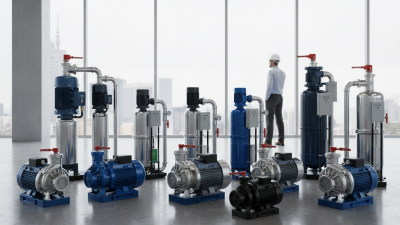
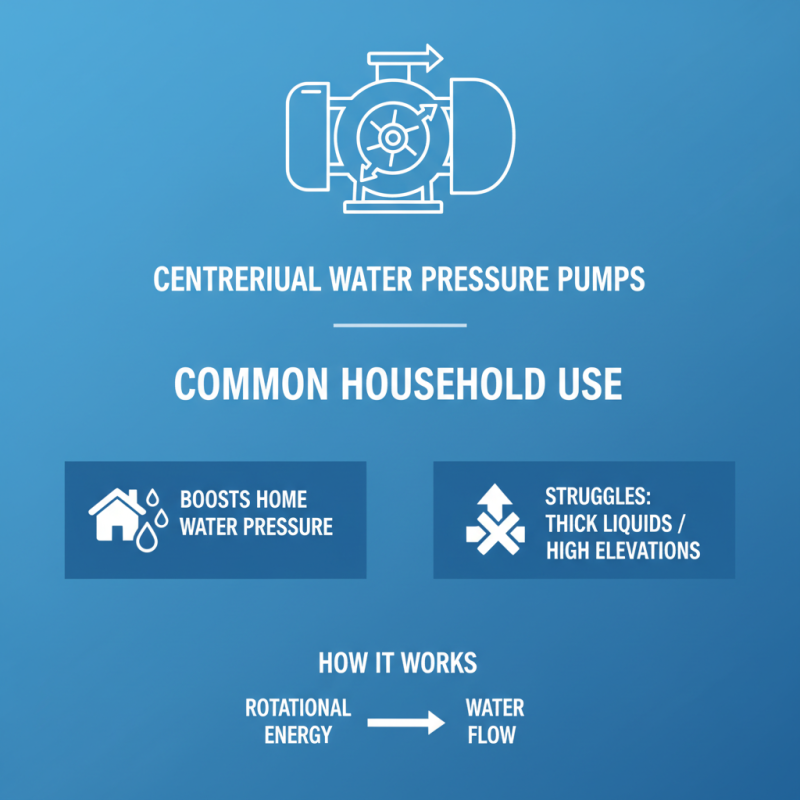
When choosing a water pressure pump, it's essential to understand the different types available. Centrifugal pumps are common for general household use. They work by converting rotational energy into water flow. These pumps are great for boosting water pressure in home systems. However, they may struggle with thick liquids or higher elevations.
Submersible pumps are another option. They are designed to work underwater and can handle deep wells. These pumps are efficient for drawing water from underground sources. However, their installation can be complex, often requiring professional help.
Tips: Always assess the depth and flow rate needed for your project. Consider the power source, too. Electric pumps may require special outlets. Also, keep in mind the noise level; some pumps can be quite loud.
Jet pumps are a good choice for shallow wells. They are effective in lifting water from depths up to 25 feet. Yet, they may not perform well in deep applications. This inconsistency can lead to frustration if not chosen wisely.
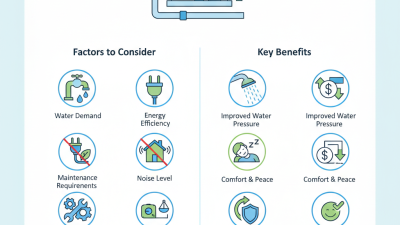
When choosing a water pressure pump, several factors come into play. The flow rate is crucial. It determines how much water the pump can deliver at once. High demand areas need higher flow rates. Consider the pressure too. Some systems require more pressure to function effectively. You might need to measure the height difference between the water source and the point of use.
The type of pump also matters. Submersible pumps work well for deep sources. Jet pumps are suitable for shallow wells. Assess the power source as well. Electric pumps are common, but some may prefer solar options. Think about the noise level too. No one wants a loud pump disturbing the peace.
Maintenance is another aspect to reflect on. Some pumps require more upkeep than others. This could lead to more costs over time. Lastly, evaluate your budget. A cheaper pump may not meet all your needs. On the other hand, overspending can strain your finances. Balancing these factors is key to making the right choice for your water supply.
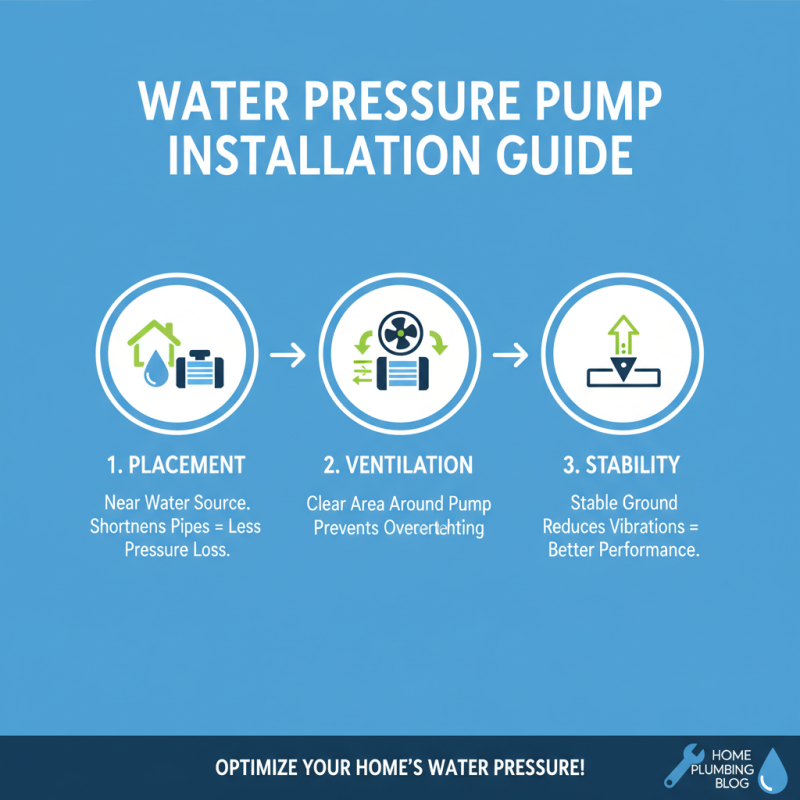
When installing a water pressure pump, several factors play a crucial role. Proper placement is key. A pump should be positioned near the water source. This minimizes the length of piping, which reduces potential pressure loss. Ensure that the area around the pump is clear for adequate ventilation. It shouldn’t be cramped. Checking the ground for stability is essential; an unstable base can lead to vibrations, affecting performance.
Additionally, the electrical supply needs careful attention. Ensure you have a reliable power source that meets the pump's requirements. Sometimes, this means upgrading existing electrical systems. Use weatherproof outlets if the pump will be outside. Properly sealing joints and connections can prevent leaks. Ensure that hoses are snug but not overly tight. Inspect regularly for signs of wear.
You may find yourself facing unforeseen challenges during installation. For example, obstacles like trees or fences can complicate placement. Adjusting the plan on the go is often necessary. It’s important to take your time and think critically at each step. Rushing can lead to mistakes or missed opportunities for improvement. Reflection after the installation can provide insights for future projects.
Proper maintenance of your water pressure pump is crucial for its performance. Regular checks can prevent major issues. Look for leaks in pipes or connections. Small leaks can lead to significant performance drops. Ensure the pump is clean. Dust and debris can clog filters and reduce efficiency. A clean pump functions better and lasts longer.
Check the pressure settings frequently. Incorrect settings can cause the pump to work harder than necessary. This not only wastes energy but can shorten its lifespan. Additionally, listen to the pump. Unusual noises often indicate a problem. Addressing concerns early can save time and repairs.
Finally, remember to address wear and tear. Seals and valves might wear out over time. Replace them before they fail completely. Regular inspections can help identify wear. This proactive approach keeps your pump running smoothly. Learning from past mistakes is part of the maintenance process. Don’t neglect small issues; they can escalate quickly.
sale@harbertpump.com,
sale@harbertpump.com