
Choosing China’s top Adjustable Pipe Wrench manufacturers requires more than comparing online catalogs. Buyers should examine production experience, material control, testing procedures, and after-sales communication. A reliable manufacturer can explain how chrome vanadium steel, jaw geometry, and heat treatment affect daily performance. The details matter. A wrench should open smoothly, grip firmly, and resist surface wear after repeated use.
This guide explores manufacturers serving plumbing, maintenance, construction, and industrial tool markets. It considers factory capabilities, private-label support, minimum order quantities, packaging quality, and export experience. Product samples deserve close inspection. Check the adjustment worm, jaw alignment, handle finish, and engraved size markings. Ask for inspection records and relevant quality certificates. Clear answers often reveal more than polished advertisements.
No supplier is perfect. A low price may hide inconsistent machining or weak packaging. A famous name may still require careful verification. That is where practical judgment matters. Buyers should request samples, compare tolerances, and confirm delivery terms before placing large orders. Factory photographs can help, but they are not proof. Independent audits may provide stronger evidence.
The strongest manufacturers combine skilled workers, controlled processes, stable materials, and responsive service. They also understand that different markets expect different handle designs, coatings, and packaging. This article offers a practical framework for identifying capable Chinese suppliers. It does not treat rankings as permanent. Manufacturing performance can change over time. Careful evaluation remains essential.
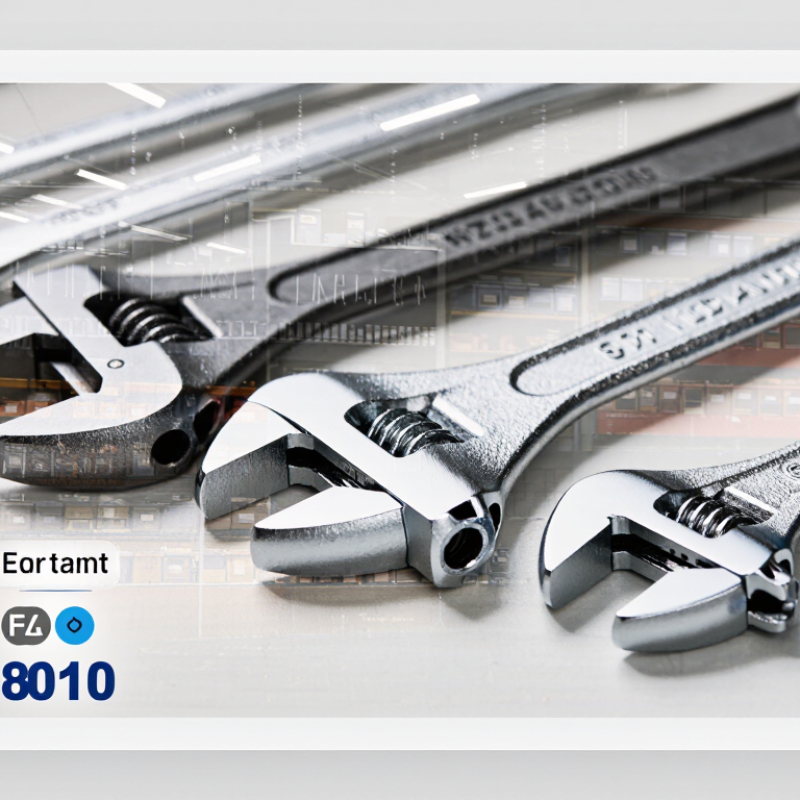
An adjustable pipe wrench is a mechanical hand tool for gripping round pipes and fittings. It has a fixed serrated jaw, a movable jaw, and a threaded adjustment nut. Turning the nut changes the jaw opening. Pressure then makes the teeth bite into the pipe surface.
It is not a general-purpose spanner. Its angled jaws create strong leverage around cylindrical surfaces. This design suits plumbing repairs, mechanical maintenance, and industrial pipe installation. However, the teeth can mark polished fittings or thin-wall tubing. A careless turn can also deform soft metal. In workshop practice, selecting the correct jaw size matters more than applying extreme force.
Industry demand supports continued tool development. Grand View Research estimated the global hand tools market at USD 23.5 billion in 2023. The report forecasts a 5.5% compound annual growth rate from 2024 to 2030. Fortune Business Insights also identifies construction, maintenance, and industrial repair as important demand areas. These figures do not measure pipe wrenches alone. Still, they show why dependable adjustment systems and durable materials remain important for manufacturers.
Tips: Keep the jaws clean and inspect worn teeth before use. Set the wrench firmly, with the movable jaw facing the direction of rotation. Do not extend the handle with a loose tube. That shortcut feels powerful, but it can damage the tool or fitting. Forged steel, smooth adjustment threads, and accurate jaw alignment are practical details worth checking.
When comparing China’s top adjustable pipe wrench manufacturers, buyers should examine working details, not only catalog photos. A strong wrench needs accurately machined jaws, a smooth adjustment nut, and a handle that resists twisting. Forged alloy steel usually offers dependable strength. Heat treatment matters too. Poor treatment can leave teeth brittle or soft. The jaw should grip round pipe without excessive slipping. That small difference becomes obvious under a wet, oily surface.
The adjustment mechanism is central to daily performance. Threads should move evenly, without gritty resistance or sudden looseness. A precise jaw opening reduces repeated resets and hand fatigue. Professional buyers also check throat depth, jaw angle, and scale visibility. A comfortable grip helps control force, but thick coatings can hide casting flaws. Inspect the edges. They should look clean, not sharp or uneven. Corrosion-resistant finishing helps in humid workshops, although no coating replaces proper storage.
Reliable manufacturers should provide material data, dimensional tolerances, load testing, and inspection records. Ask how samples are tested after heat treatment and surface finishing. Independent checks can reveal gaps between sample quality and production quality. This is where evaluation becomes less convenient. A low price may reflect efficient production, but it may also hide weaker steel or inconsistent threads. I have found that a wrench can look excellent and still feel rough after several adjustments. That detail deserves attention. Test the tool in hand, measure the jaw opening, and question anything unclear before placing a large order.
Evaluating Chinese adjustable pipe wrench manufacturers requires more than comparing prices. UN Comtrade data for HS 8204 shows China remains a major exporter of hand-operated spanners and wrenches. That scale helps, but it does not guarantee dependable jaws, threads, or heat treatment. The ISO Survey 2022 recorded 1,265,216 ISO 9001 certificates worldwide. A certificate proves a management system, not actual wrench performance.
Ask for material certificates, hardness records, and dimensional inspection reports. Check jaw alignment on several samples, not just one polished piece. A reliable factory should explain steel grade, forging temperature, tooth geometry, and coating thickness. Request load-test results based on relevant ASME B107 requirements. Confirm whether testing is performed in-house or by an independent laboratory. Traceability matters. Each production batch should connect to raw material records and inspection results.
Use ISO 2859-1 sampling methods for incoming inspections, with agreed limits for jaw slip, handle deformation, and surface defects. Visit the production line when possible. Watch the heat-treatment furnace, calibration tools, and final packing area.
I would not accept vague claims such as “export quality.” They sound reassuring but measure nothing. One weak point remains: factory samples may be better than mass production. Repeat testing after the first shipment, even when the supplier seems trustworthy.
Leading Adjustable Pipe Wrench Manufacturers in China
Leading adjustable pipe wrench manufacturers in China usually combine forging, machining, heat treatment, and inspection under one production system. They serve hardware distributors, plumbing suppliers, and industrial tool importers with different size and coating requirements. A capable factory can adjust jaw profiles, handle thickness, and opening ranges without weakening the tool.
Manufacturing experience appears in small details. Forged steel should show consistent grain and clean edges after trimming. Heat treatment must balance hardness with toughness, because an overly hard jaw may chip under sudden load. Inspectors often check jaw alignment, thread movement, surface coating, and handle strength. Samples should be tested with practical pipe sizes, not only measured on paper.
Reliable Chinese manufacturers normally provide material records, inspection reports, and clear production schedules. Factory audits can reveal useful facts, such as worn dies, poor storage, or uneven packaging. These details matter.
Price alone is not enough. A low quotation may hide thinner handles, unstable tolerances, or limited after-sales support. Some factories also promise faster delivery than their equipment can manage. That deserves careful questioning. Buyers should compare samples, confirm testing methods, and review communication before placing larger orders. A strong supplier remains transparent when a specification needs correction.
Common adjustable pipe wrench specifications offered by Chinese manufacturers, shown by nominal wrench size and typical maximum pipe capacity.
The listed capacities represent common industry specifications for heavy-duty adjustable pipe wrenches. Actual dimensions may vary slightly by manufacturer and product series.
Selecting a Chinese adjustable pipe wrench manufacturer requires more than comparing prices. Check the factory’s machining experience, production capacity, and quality controls. A reliable supplier should explain steel grades, heat-treatment methods, jaw hardness, and handle finishing clearly. Ask for inspection records, not only polished product photos. Details matter.
Request samples from the same production line used for bulk orders. Test jaw alignment, thread movement, grip comfort, and surface durability. A good wrench should adjust smoothly without excessive play. Inspect the teeth under bright light. Uneven teeth can reduce holding strength and damage pipes. During one sample review, rough jaw edges appeared despite acceptable measurements. The factory corrected the tooling, but the delay revealed an important weakness in our evaluation process.
Factory verification should include a video audit or an in-person visit when practical. Review calibration records, worker training, incoming material checks, and final inspections. Confirm whether the manufacturer can provide traceable batch documents. Communication is equally important. Technical drawings, tolerance limits, packaging requirements, and delivery terms should be written clearly. Avoid suppliers that answer every question with vague promises.
A lower quotation may hide thinner materials or inconsistent heat treatment. Calculate the total cost, including rejected units and replacement delays. Begin with a controlled trial order. Keep testing after approval, because quality can change when production volume increases. Reliable cooperation develops through evidence, careful questions, and occasional disagreement.
sale@harbertpump.com,
sale@harbertpump.com