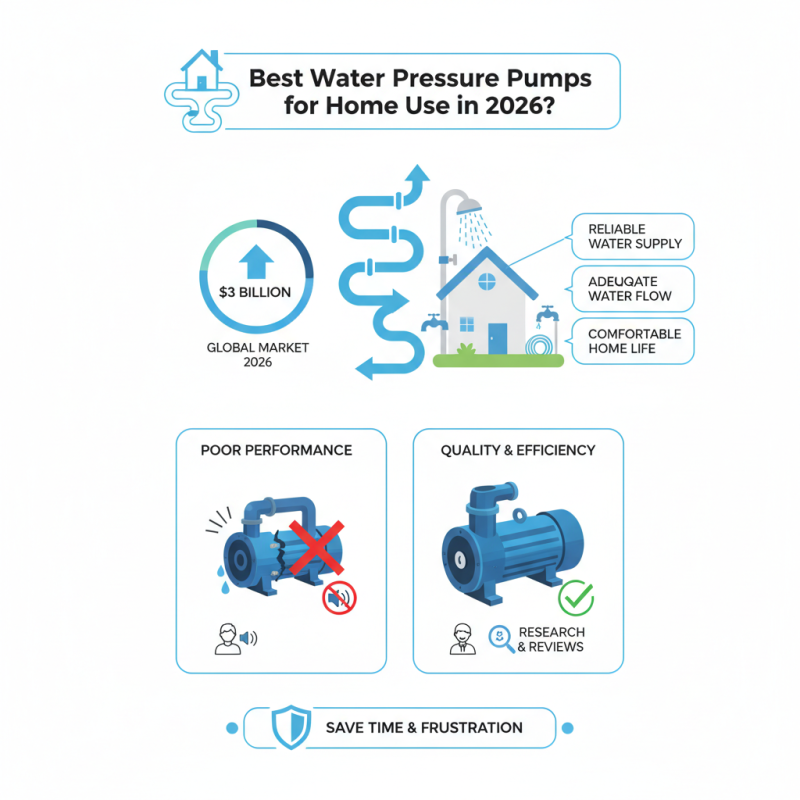
In 2026, the demand for efficient water pressure pumps continues to rise. According to industry reports, the global market for water pressure pumps is expected to reach over $3 billion by 2026. This growth is driven by the increasing need for reliable water supply systems in homes.
Homeowners are increasingly considering the quality and efficiency of their water pressure pumps. A strong water pressure pump ensures adequate water flow for showers, irrigation, and household appliances. However, choosing the right one can be overwhelming. Many options exist, but not all are equally effective.
Some pumps perform poorly in real-world situations. Users often complain about noisy operation or inefficient performance as a reflection of inadequate specifications. It’s crucial to research various models and read user reviews. Selecting a quality water pressure pump saves time and frustration, making home life more comfortable.
When selecting a water pressure pump for home use, several factors are critical. Firstly, consider the pump's flow rate. This is measured in gallons per minute (GPM). Higher flow rates are essential for larger households or multiple simultaneous water demands. Evaluate the water needs carefully. Think about how many taps or appliances will use water at the same time.
Next, look into the power source. Electric pumps are popular, but they may require specific voltage levels. Gas-powered options are available, too. They tend to be more powerful but come with maintenance challenges. Check the noise levels. Some models are quieter than others, which can influence your home's comfort, especially during late hours.
Lastly, assess the pump's durability. Materials used in construction matter. Some pumps may appear robust but can fail prematurely. Look for user reviews about longevity. Keep in mind that water quality affects pump performance. Sediment and minerals may cause wear and tear over time. Investing in a quality water filtration system can improve the overall lifespan of your pump.
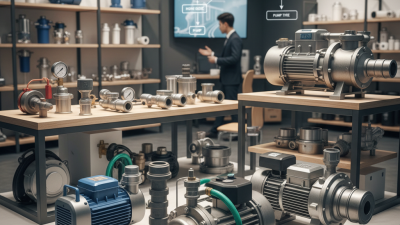
When choosing a water pressure pump for home use, several brands stand out. Each offers unique features that cater to different needs. Some are known for compact designs, making them ideal for smaller spaces. Others deliver high performance and efficiency for larger homes.
Customer feedback plays a vital role in evaluating these pumps. Many users appreciate pumps that provide steady water flow, especially during peak usage. However, there are concerns about noise and energy consumption. Some models are louder than expected, which can be disruptive.
Also, efficiency is crucial. A pump that wastes energy can lead to higher bills. Some users have reported issues with durability over time. Materials and construction quality vary significantly among brands, leading to questions about longevity. It's essential to consider all these factors before making a decision.
When selecting a water pressure pump for home use, energy efficiency is paramount. A pump's efficiency directly affects monthly energy bills and environmental impact. Many homeowners overlook the importance of energy ratings, leading to unexpected costs. The ideal pump should balance power consumption with the desired water pressure. Look for models that provide adequate pressure while consuming less electricity.
Understanding energy efficiency ratings can be tricky. These ratings often reflect how well a pump utilizes energy. Higher ratings indicate lower energy consumption for the same output. Not all pumps provide clear information on efficiency. Some manufacturers may focus more on features than on how much energy their products use. It's essential to read user reviews and seek out performance data before making a purchase.
In 2026, consumers must pay attention to energy labels. A lower-rated pump could lead to wasted resources and increased bills. Many options exist, but not all are made equally. Choose wisely to ensure a balance between performance and sustainability. Homeowners should also consider their specific needs and frequency of use. Sometimes, a more powerful pump may not be necessary for occasional tasks. Reflecting on these aspects is crucial for a sound investment.
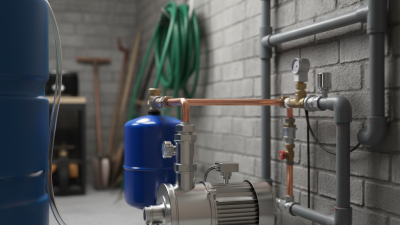
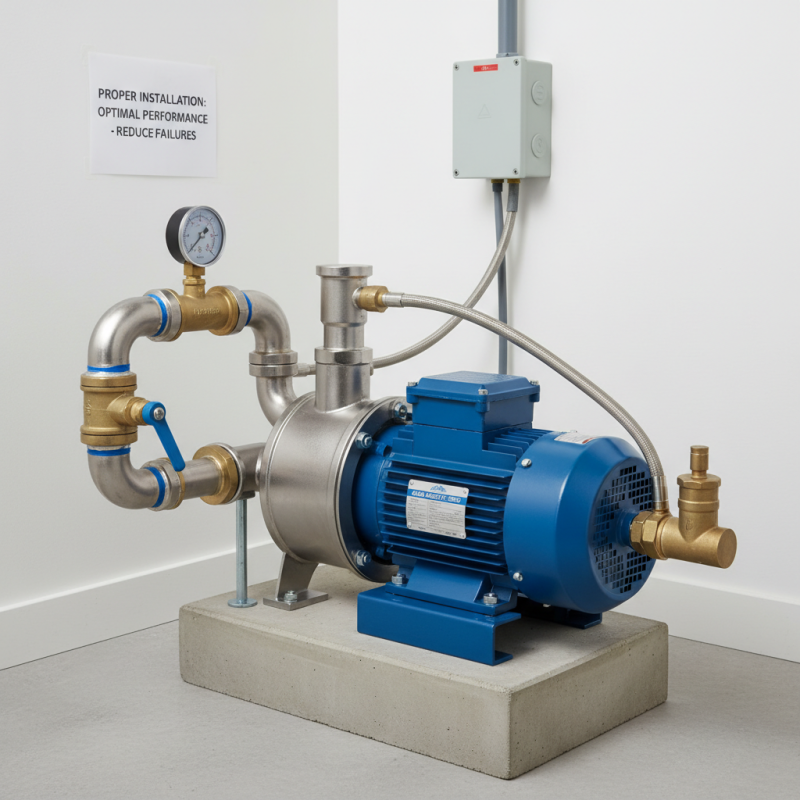
Proper installation and maintenance of water pressure pumps can drastically improve performance. According to recent industry reports, about 25% of pumps fail due to improper installation. Ensuring that the pump is aligned correctly with the plumbing system is crucial. Misalignment can lead to leaks and wasted energy. Ensure to use appropriate seals and fittings to maintain pressure.
Regular maintenance is just as vital. Experts recommend checking the pump every six months. Look for signs of wear, such as unusual noises or vibrations. A minor issue may develop into a major problem if left unchecked. Replacing worn parts promptly can save time and money in the long run. Also, monitor the intake strainer. Cleaning it regularly prevents blockages that can affect pressure.
Water quality directly affects longevity too. Pumps used with contaminated water often experience faster degradation. Consider installing filters to improve quality. Neglecting this aspect can double repair costs over time. Taking these steps will provide better durability and efficiency for your pump.
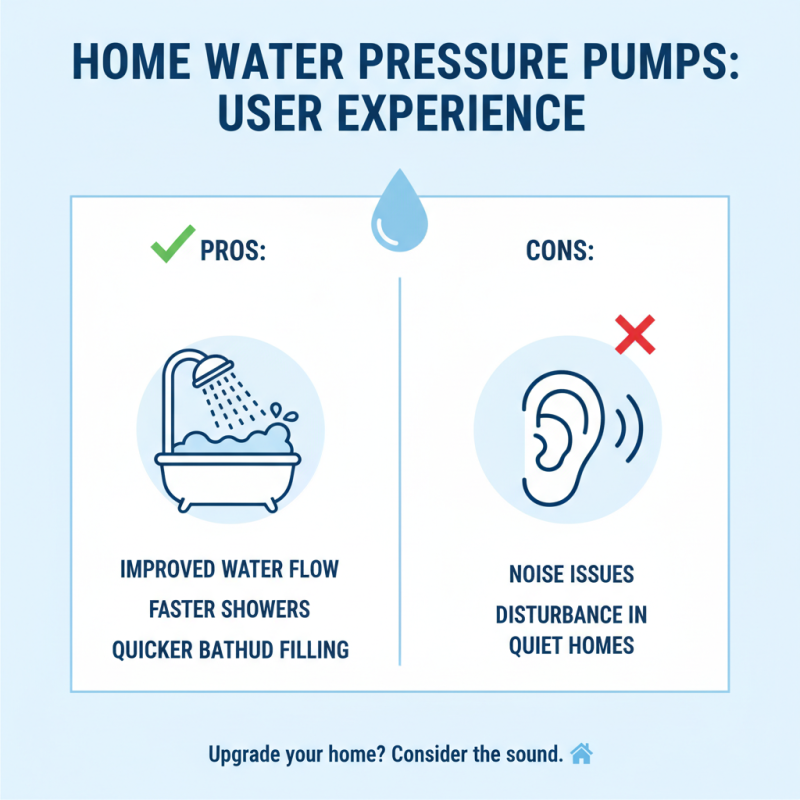
When it comes to water pressure pumps for home use, user experiences reveal much. Many homeowners appreciate improved water flow and pressure. They report easier showers and faster filling of bathtubs. However, some users notice noise issues. This can be a problem in quiet households.
One user shared that their pump worked well for two years. After that, it started to lose pressure. Troubleshooting was frustrating. They spent hours finding a solution online. Others echoed similar sentiments about the maintenance of their pumps. Users often underestimate the importance of regular upkeep.
Some also express frustration with installation. Not everyone has the skills needed. A few hired professionals, which added to costs. Yet, the satisfaction of a well-functioning pump brings joy. Moving forward, many plan to invest in better maintenance. They aim to avoid future setbacks. The overall experience varies widely, with some users thrilled and others left disappointed.
sale@harbertpump.com,
sale@harbertpump.com