
In the fast-paced world of kitchen innovations, the spotlight is on the "Vegetables Cutter." As we approach 2026, this essential tool evolves alongside culinary trends. With the rise of health-conscious eating, preparing fresh vegetables has never been more vital.
Selecting the right Vegetables Cutter can enhance your cooking experience. It simplifies the prep work, making meal preparation quick and enjoyable. Numerous designs are hitting the market, each promising efficiency and ease of use. Some cutters feature adjustable blades for various cuts. Others focus on ergonomic designs for comfort.
However, it's essential to acknowledge not every product meets its claims. Some customers find certain models hard to clean or less durable. This inconsistency reminds us to consider quality over flashy features. Evaluating customer feedback and expert reviews can lead to informed decisions. Embracing the best Vegetables Cutter is not just about convenience; it’s about enhancing your kitchen's potential.
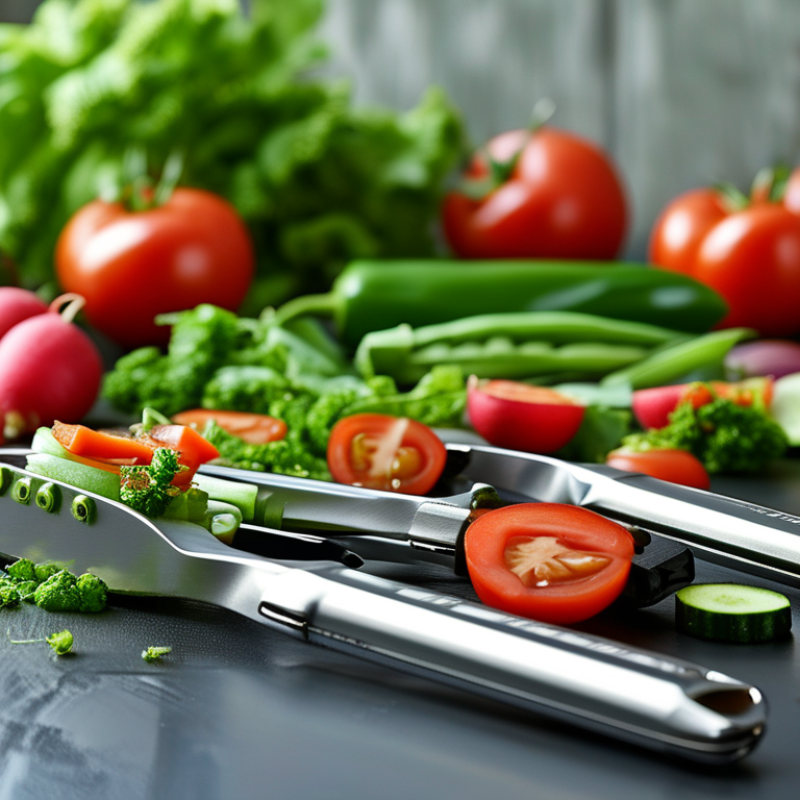
The kitchen of 2026 is set to embrace innovative cutting technology that enhances culinary efficiency. Current data indicates that the global kitchen appliance market is projected to reach over $200 billion by 2025, driven by a trend towards smarter cooking solutions. Among these innovations, vegetable cutters are at the forefront, offering advanced features that cater to both professional chefs and home cooks alike.
Recent surveys suggest that 65% of users prefer multifunctional kitchen tools. Many vegetable cutters now come with adjustable slicing thickness, precision blades, and ergonomic designs. These features aim to improve safety and convenience. In a busy kitchen, time is crucial. An efficient cutter can significantly reduce prep time, allowing for a focus on creativity and flavor. However, as technology advances, some users may find it challenging to adapt.
Learning curves exist, as new devices often require time to master. While ease of use is key, poor-quality materials can lead to frustration. Research shows that well-designed kitchen tools can improve user satisfaction by up to 40%. This highlights the importance of quality alongside innovation. It raises questions about how to balance technology and practicality in everyday kitchen use.
When choosing a vegetable cutter, focus on key features that enhance both functionality and safety. Blade quality matters significantly. Look for stainless steel blades, as they resist rust and maintain sharpness longer. A sharp blade ensures quicker and cleaner cuts, making meal prep easier. Ergonomics also play a crucial role. A comfortable grip can prevent hand fatigue during extended use.
The cutter's design can impact its utility. Some feature adjustable thickness settings, allowing users to slice vegetables to their preferred size. This versatility is especially useful for creating a variety of dishes. Safety features, like non-slip bases, help prevent accidents on slick kitchen surfaces. Transparent containers are a bonus; they allow you to see your ingredients without lifting the cover.
Reflecting on personal experiences with vegetable cutters reveals the importance of build quality. Some models may look appealing but lack durability over time. Investing in a robust option may cost more initially but can save money in the long run. Regular maintenance is also essential; dull blades and worn parts can hinder efficiency and safety. It’s crucial to consider both immediate needs and future use when selecting a vegetable cutter.
When exploring the best vegetable cutters of 2026, a comparative analysis reveals key features that elevate kitchen efficiency. Many options exist, yet not all deliver on their promises. A solid vegetable cutter should offer versatility, ease of cleaning, and ergonomic design. These factors significantly impact user experience and satisfaction.
Design elements play a crucial role. Some cutters boast multiple blade options, enabling users to achieve various cuts. However, it’s essential to consider build quality. A sturdy cutter withstands daily use, while flimsy models often fail quickly. Ease of use is another aspect worth evaluating. Many tools complicate the cutting process instead of simplifying it.
User feedback is invaluable when assessing these cutters. Some customers appreciate the speed and uniformity of cuts. Others express frustration over difficult assembly or cleaning challenges. It's clear that finding the perfect balance between functionality and ease is crucial. Thoughtful design can enhance the cooking experience, yet many designs still need improvement.
| Cutting Style | Material | Blade Sharpness | Ease of Cleaning | Price Range | User Rating |
|---|---|---|---|---|---|
| Slicing | Stainless Steel | High | Dishwasher Safe | $15 - $25 | 4.5/5 |
| Dicing | Plastic | Medium | Hand Wash Only | $10 - $20 | 4.0/5 |
| Chopping | Ceramic | Very High | Dishwasher Safe | $25 - $35 | 4.7/5 |
| Julienne | Stainless Steel | High | Easy to Clean | $20 - $30 | 4.6/5 |
| Mincing | Carbon Steel | High | Hand Wash Only | $30 - $40 | 4.8/5 |
When selecting a vegetable cutter, it's vital to consider your cooking style. Do you prefer quick meal preparations or elaborate culinary creations? A versatile cutter can save you time. Look for options that balance speed and precision to fit your needs.
Tips: Choose a cutter with adjustable settings. This feature allows for various cut sizes. A comfortable grip will ensure safety during use. Remember that a sharper blade can enhance efficiency but requires careful handling.
Another aspect to consider is cleanup. Some cutters are dishwasher safe, while others necessitate hand washing. An easy-to-clean cutter can simplify your cooking routine. Don't overlook the construction material. Plastic might be lightweight, but stainless steel offers durability. Reflect on your priorities when making a choice. Each option has its merits and drawbacks.
The future of cooking is bright, especially when it comes to vegetable cutting tools. As home cooking becomes more popular, innovative vegetable cutters are emerging. These tools meet the demand for speed and efficiency, offering features like adjustable slicing thickness and ergonomic handles. Such advancements can make meal prep enjoyable and less time-consuming.
However, not all advancements come without a learning curve. Some tools can be complex and may frustrate users initially. It can take time to master new methods. Yet, this challenge often leads to more satisfying results in the kitchen. Consumers are becoming more open to experimenting, trying different cutting techniques and styles. The evolution of vegetable cutters reflects a broader trend toward personalization in cooking.
In addition, sustainability is shaping how these tools are manufactured. Eco-friendly materials are gaining traction. This shift can be both positive and challenging. While it promotes a greener environment, finding durable options can be difficult. Cheaper alternatives may not offer the same longevity or effectiveness. Therefore, careful selection is key for the conscious cook.
sale@harbertpump.com,
sale@harbertpump.com