What Is the Best Solar Power System for RVs in 2026?
Choosing the best Solar Power System For Rv in 2026 requires more than counting roof panels. It requires matching energy production with real travel habits, battery capacity, weather, and installation limits.
The RV Industry Association reported approximately 330,000 wholesale recreational vehicle shipments in 2024, confirming continued demand for mobile living systems. However, RV-specific solar adoption remains difficult to measure. That gap matters. A popular setup is not automatically the right setup.
The International Energy Agency’s Renewables 2024 report identifies solar photovoltaic power as the fastest-growing renewable technology worldwide. Meanwhile, the National Renewable Energy Laboratory reports that photovoltaic modules commonly lose about 0.5% output annually through degradation. These figures support long-term solar planning, but they do not predict one RV’s daily performance. Shade, roof angle, dust, driving routes, and winter sunlight can change results dramatically.
RV electrical educator Mike Sokol offers a practical warning: “Know your loads before you size the system.” That principle should guide every recommendation. A 200-watt panel array may handle lights, phones, and modest laptop use. It may struggle with a compressor refrigerator, induction cooker, or medical equipment. A 400- to 800-watt system can provide greater flexibility, yet it also demands careful wiring, ventilation, charge control, and battery protection.
This guide compares lithium battery banks, MPPT controllers, portable panels, roof-mounted arrays, and inverter sizing. It also examines installation experience, warranty support, cold-weather behavior, and measurable daily output. Some conclusions will remain imperfect. Real campsites are inconsistent. That is the point. The best Solar Power System For Rv is the system that fits actual consumption, not an impressive specification sheet.
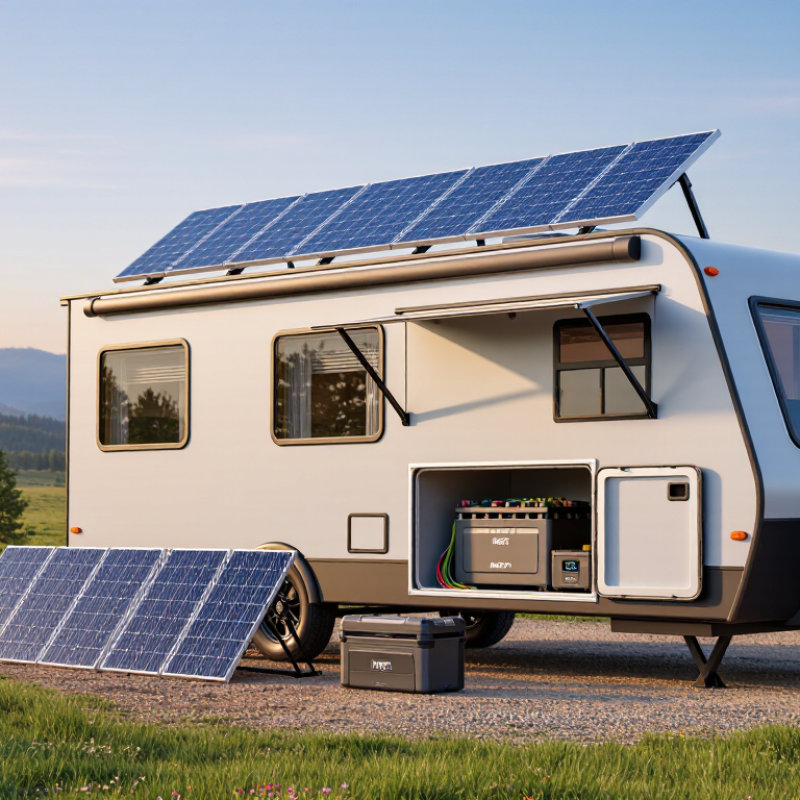
RV Solar Power Basics: How the Main System Components Work
Choosing the best solar power system for an RV in 2026 starts with understanding its main parts. Solar panels convert sunlight into direct-current electricity. Their output changes with shade, roof angle, season, and dust. A clean panel may still produce less energy during cloudy weather.
The charge controller manages power flowing into the battery. Modern maximum power point tracking controllers usually harvest more energy than simpler units. The battery stores electricity for nighttime use and cloudy periods. Lithium batteries offer useful capacity and lower weight, while other chemistries may cost less. Check the battery’s usable capacity, temperature limits, and built-in protection before installation.
The inverter changes stored direct current into household alternating current. It should match the appliances you actually use, not an imagined maximum load. A refrigerator, laptop, and small cooking device can create different starting demands. Thick cables, correct fuses, and secure connections are equally important. They reduce voltage loss and lower fire risk.
A practical system also needs monitoring. A display can show solar input, battery voltage, and daily consumption. These readings expose problems that guesswork misses. I would size the system from measured energy use, then add a modest reserve. Overestimating solar production is easy. Roof space is not unlimited. A careful installer should also inspect cable routing, ventilation, and battery mounting before the first trip.
Key Factors for Choosing an RV Solar Power System in 2026
Choosing the best solar power system for an RV in 2026 starts with your actual energy habits. Record daily use from the refrigerator, lights, water pump, ventilation fan, and device chargers. A small tablet may consume little, but an electric cooking appliance can quickly change the calculation. Measure watt-hours, not guesses. Include cloudy days and winter travel.
Roof space, shade, weight, and battery capacity require equal attention. Even partial shade from an air conditioner can reduce panel output noticeably. A practical system may combine roof-mounted panels with a portable panel for shaded campsites. An MPPT charge controller can improve energy collection during changing sunlight. For batteries, consider usable capacity, operating temperature, cycle life, and ventilation requirements. Lithium iron phosphate batteries are often lighter, but they still need suitable charging protection.
The inverter should match both continuous demand and startup surges. Check its idle consumption, wiring size, fuse protection, and installation clearance. Safety certifications and clear documentation matter more than impressive advertising numbers. I once underestimated winter heating demand and planned around summer measurements. That mistake reduced battery reserves by evening. Leave room for expansion. A monitoring display can reveal declining harvest, unusual battery drain, or a loose connection before a trip becomes uncomfortable. Perfect calculations rarely survive real weather. Flexible planning works better.
Comparing Portable, Roof-Mounted, and Hybrid Solar Setups
For RV travel in 2026, the best solar system depends on how you camp, not on panel wattage alone. Portable panels suit renters, shaded campsites, and owners who park beneath trees. You can move them into direct sunlight, then fold them beside the RV. Setup takes several minutes. Wind is the nuisance. A loose panel can tip, and cables across a walkway create a practical hazard. Store them dry after rain.
Roof-mounted systems produce power without daily setup. They work well for travelers who drive often and need charging while the RV sits unattended. A typical installation may include rigid panels, a charge controller, fuses, and a battery monitor. Roof shadows from vents or air conditioners can reduce output sharply. Measure usable roof space first. Professional installation is sensible because incorrect wiring can damage equipment or create fire risks. Even then, inspect seals twice each season.
A hybrid setup combines permanent roof panels with one portable panel or folding array. This arrangement gives steady baseline charging and extra capacity at a sunny campsite. It is often the most flexible choice for refrigerators, lights, communication devices, and occasional work. Do not assume every controller accepts mixed panels. Confirm voltage, current limits, battery chemistry, and cable sizes. My own planning mistake was ignoring winter sun angles; the rated output looked impressive, but real harvest fell noticeably. Leave room for honest estimates, especially on cloudy days.
What Is the Best Solar Power System for RVs in 2026?
Comparing portable, roof-mounted, and hybrid solar setups by estimated usable daily energy.
Estimates assume four to four-and-a-half peak-sun hours per day and typical system losses from wiring, temperature, charge controllers, and battery charging. The portable setup is easiest to move, the roof-mounted setup provides automatic charging while parked, and the hybrid setup offers the highest daily output with greater installation complexity.
| Setup | Representative Array Size | Estimated Usable Energy | Typical Setup Time |
| Portable | 200 W | 0.6 kWh/day | 5–15 minutes |
| Roof-mounted | 400 W | 1.4 kWh/day | Permanent installation |
| Hybrid | 600 W | 2.2 kWh/day | Permanent plus 5–15 minutes |
Sizing Solar Panels, Batteries, and Inverters for RV Use
Sizing an RV solar system starts with measured demand, not panel wattage. Record each appliance, its watts, and daily operating hours. A 12-volt compressor refrigerator may consume 400–800 watt-hours daily, while a laptop often needs less than 100 watt-hours. Add your loads, then include a 20% reserve. Real travel habits are rarely perfect.
For example, assume 1.8 kilowatt-hours of daily use and two days of autonomy. Using 80% usable battery capacity and 90% inverter efficiency, the calculation requires about 5 kilowatt-hours of storage. Lithium batteries usually tolerate deeper cycling, but cold weather can reduce charging performance. The U.S. Department of Energy notes that usable storage depends on operating conditions, efficiency, and depth of discharge. Your battery may look larger on paper.
Solar array sizing needs local sunlight data. NREL’s PVWatts documentation uses a default 14% system-loss assumption. With four peak-sun hours, 1.8 kilowatt-hours needs roughly 520 watts of panels after those losses. An RV should carry about 700–800 watts, allowing for shade, dust, poor parking angles, and cloudy days. Choose an inverter for the highest simultaneous load, then check surge demand from compressors or pumps. A 2,000-watt continuous inverter may work for ordinary loads, but heating appliances can quickly exceed it. Measurements beat guesses. Recheck them after a real trip.
Installation, Maintenance, Safety, and Future Upgrade Options
What Is the Best Solar Power System for RVs in 2026?
A practical RV solar system should match your daily energy use, roof space, and travel habits. A modular setup is often the safest long-term choice. It can begin with solar panels, a charge controller, and a suitable battery. Later, you can add capacity without replacing everything. Installation should include protected cables, correct fuses, secure mounting, and weather-resistant connections. Keep panels clear of roof vents and shaded equipment. A qualified technician should inspect the wiring and confirm compliance with local electrical rules.
Tips: Calculate your real consumption before buying equipment. Record the power used by lights, refrigeration, fans, and charging devices for several days. Leave some capacity unused. Overloading a small system can shorten battery life and create heat. I would not trust a neat-looking installation without checking cable size and fuse placement. Small details matter.
Maintenance is simple, but it is not optional. Inspect connectors after rough roads and clean panels when dust reduces output. Check battery terminals for corrosion and monitor unusual temperature changes. Never work on live wiring in wet conditions. In an emergency, isolate the system and seek qualified help. For future upgrades, reserve space for extra panels, a larger battery bank, and an inverter with suitable capacity. Technology will change. Your wiring plan should allow careful changes, not rushed replacements.