When it comes to maintaining a functional and efficient home, proper waste management is essential. One of the crucial components in this system is sewage pumps, which play a vital role in transporting wastewater away from your home and preventing potential issues like backups and overflows. These pumps are designed to handle various types of waste, making them a necessary investment for any household that aims to ensure a clean and healthy living environment.
Selecting the right sewage pumps can significantly impact your home’s plumbing system, as well as your overall comfort and hygiene. With numerous options available on the market, finding the best sewage pump to suit your needs might be overwhelming. In this guide, we will explore some of the top picks for sewage pumps, highlighting their features, benefits, and what to consider when making a purchase. By understanding the functions and advantages of these pumps, homeowners can make informed decisions on the installation of a reliable waste management system that effectively meets their specific requirements.
Sewage pumps play a critical role in managing wastewater in residential settings, effectively transporting sewage from lower to higher elevation points. Understanding the mechanics behind these pumps is essential for homeowners looking to maintain efficient waste management systems. According to industry reports, approximately 80% of households in the United States rely on sewer systems, and an estimated 30% of them may encounter issues related to pump failures due to improper selection or maintenance. This highlights the need for homeowners to be knowledgeable about the types of sewage pumps available and their specific functionalities.
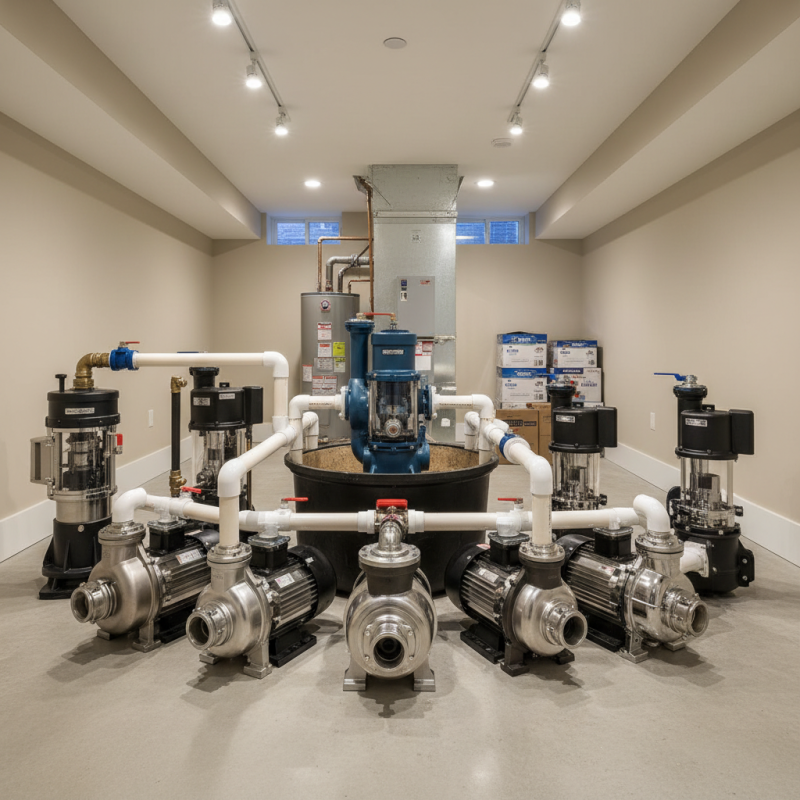
There are primarily two types of sewage pumps: submersible and pedestal. Submersible pumps are designed to operate underwater, providing a quieter and more efficient option for certain applications. In contrast, pedestal pumps sit above the sewage level, making maintenance easier but often resulting in increased noise during operation. Research indicates that the average lifespan of a sewage pump can range from 5 to 15 years, depending on factors such as usage frequency, quality of installation, and regular maintenance practices. Regular maintenance is crucial, as annual inspections can reduce the likelihood of unexpected pump failures by as much as 20%, ensuring effective waste management and preventing costly repairs.
| Model | Power (HP) | Flow Rate (GPM) | Maximum Head (Feet) | Material | Price Range ($) |
|---|---|---|---|---|---|
| Model A | 1/2 | 50 | 25 | Cast Iron | 150-200 |
| Model B | 3/4 | 65 | 30 | Thermoplastic | 180-230 |
| Model C | 1 | 80 | 35 | Stainless Steel | 220-300 |
| Model D | 1/2 | 45 | 20 | Aluminum | 120-170 |
| Model E | 3/4 | 75 | 28 | Polyethylene | 200-250 |

When choosing a sewage pump for your home, several key factors need to be considered to ensure efficient waste management. Firstly, the pump's capacity is crucial; it should be able to handle the volume of wastewater produced by your household. Assess the flow rate and the total dynamic head (the height the pump needs to lift waste) to determine the right pump size. An appropriately sized pump will not only function more reliably but will also have a longer lifespan.
Additionally, consider the type of sewage pump that suits your needs. There are different designs, such as submersible and pedestal pumps, each with its own advantages. Submersible pumps are typically quieter and can pump waste from below ground level, while pedestal pumps are easier to access for maintenance and repair. Other important features to evaluate include the materials used in the pump, its energy efficiency, and any additional features like built-in float switches for automatic operation. By carefully analyzing these factors, you can select a sewage pump that meets your home’s specific requirements for effective waste management.
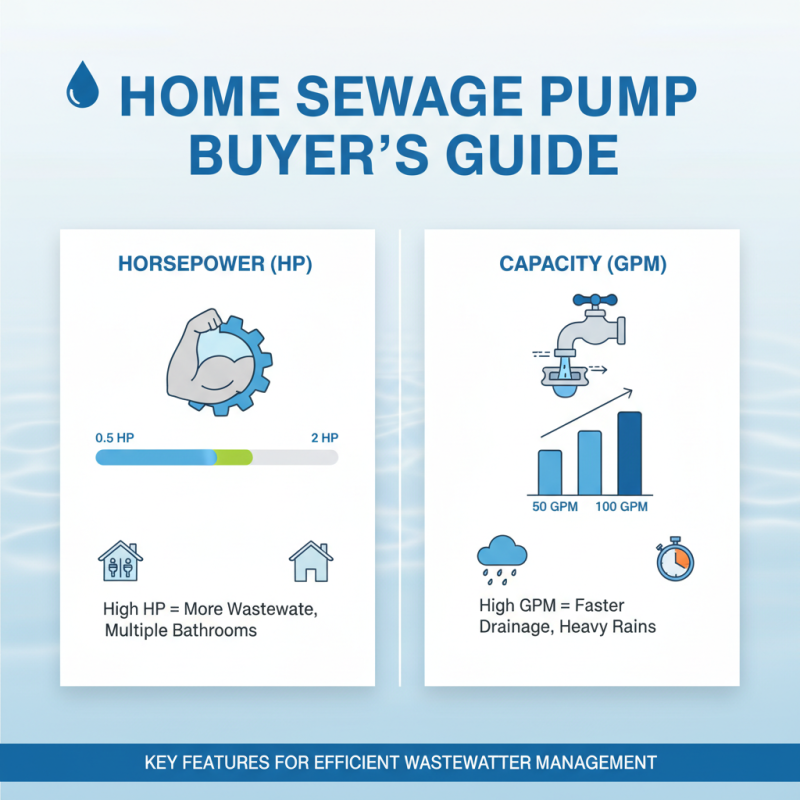
When selecting the right sewage pump for your home, it's essential to consider several key features and specifications. First, assess the pump's horsepower, which typically ranges from 0.5 to 2 HP. A higher horsepower rating allows for the efficient handling of larger volumes of wastewater, making it suitable for homes with high water usage or multiple bathrooms. Additionally, look at the pump's capacity, usually measured in gallons per minute (GPM). A pump with a higher GPM ensures faster drainage, which is crucial during heavy rains or emergencies.
Another critical aspect to evaluate is the type of materials used in the construction of the pump. Durable materials like cast iron or stainless steel can withstand the corrosive nature of wastewater, ensuring longevity and reducing maintenance costs. Moreover, features such as an automatic float switch for on/off control and a solid-handling capability (specifying the size of solids it can manage without clogging) should also be prioritized. By focusing on these aspects—horsepower, capacity, material quality, and operational features—you can select a sewage pump that effectively meets your waste management needs while ensuring efficient performance and durability.
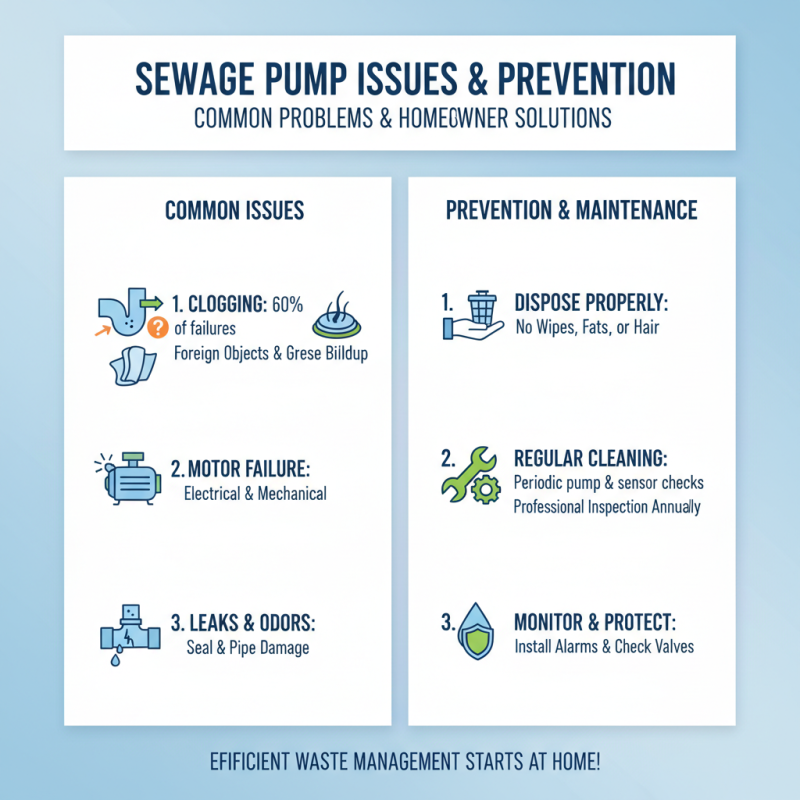
To ensure optimal performance of your sewage pump, regular maintenance is crucial. Begin by routinely inspecting the pump for any signs of wear or damage. Check the power source to ensure it is secure and functioning properly. This includes examining the electrical connections for signs of corrosion or loose wiring, which can lead to operational failures. Additionally, make it a habit to check for clogs in the pump's inlet and discharge pipes, as these can impede flow and reduce efficiency.
Another key aspect of maintenance is cleaning the pump periodically. Accumulation of debris, grease, or sludge can adversely affect the pump's operation. Use a wet/dry vacuum to remove any buildup around the pump and its components. It's also important to test the pump functionality regularly, especially before heavy usage periods or after prolonged inactivity. Actively running the pump and monitoring its performance can help identify potential issues before they escalate. By adhering to these maintenance tips, you can ensure your sewage pump remains in good working condition, providing reliable waste management for your home.
Sewage pumps play a vital role in efficient waste management for homes, especially in areas where gravity drainage is not feasible. However, homeowners may encounter various common issues with these pumps that can lead to operational inefficiencies. One prevalent problem is clogging, often caused by inappropriate materials being disposed of down the drain. According to industry reports, approximately 60% of sewage pump failures can be traced back to clogs due to foreign objects or excessive grease buildup. Regular maintenance, such as periodic cleaning and proper usage education, is crucial to mitigate this risk.
Another significant issue is power failure, which can render a sewage pump inoperative during critical times. Data from the American Society of Plumbing Engineers indicates that nearly 25% of residential sewage pump failures occur because of electrical problems. Homeowners can address this by investing in a backup power source, like a generator, ensuring their pump continues functioning during outages. Additionally, monitoring the pump's operation and investing in quality control systems, such as alarms and automatic switches, can help identify and rectify issues early on, minimizing the risk of pump failure and costly repairs. Proper troubleshooting and proactive measures can significantly enhance the longevity and efficiency of sewage pumps in residential settings.
sale@harbertpump.com,
sale@harbertpump.com