When it comes to selecting the Best Screws For Outdoor Use, durability is key. According to John Smith, a leading expert in fastener technology, "The right screw can make or break your outdoor projects." His insight highlights the importance of quality materials.
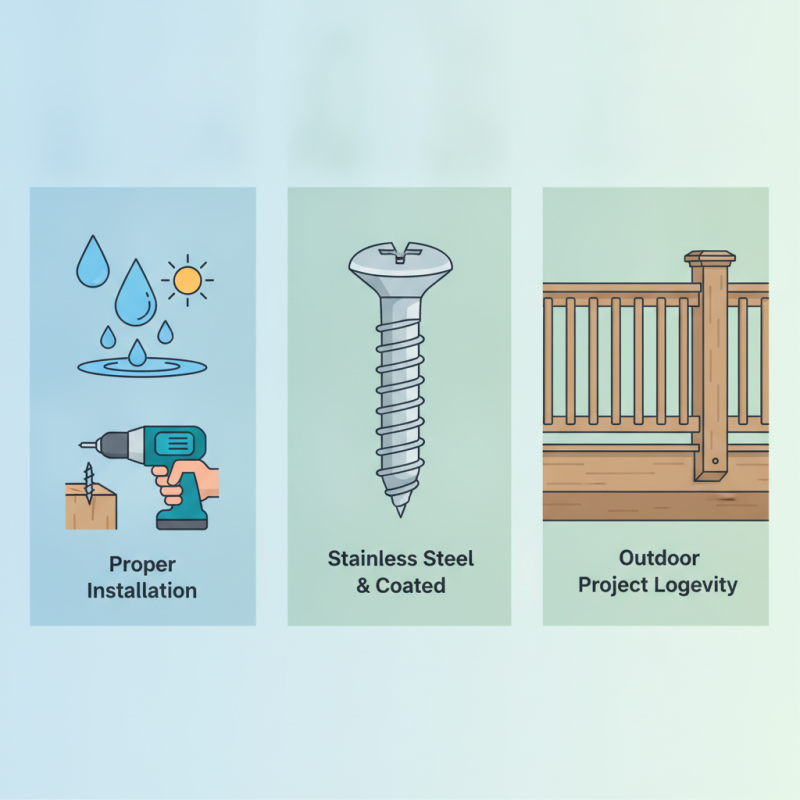
Choosing screws that withstand various weather conditions is crucial. From rain to extreme heat, the best screws for outdoor use should resist rust and corrosion. Stainless steel and coated screws are often recommended for these conditions. However, many consumers overlook the need for proper installation.
Understanding these factors can help ensure a successful outcome. It's not just about buying any screw; it’s about selecting the best screws for outdoor use that truly last. Reflecting on your projects may reveal potential areas for improvement. Consider the materials and installation methods you use. They can greatly affect your project's longevity.
When selecting screws for outdoor use, it’s crucial to choose the right types. Stainless steel screws are a popular choice. They resist rust and corrosion effectively. They are ideal for areas with high moisture. However, they can be more expensive than other options.
Coated screws, such as those with a zinc or galvanization finish, can also be suitable. These coatings protect the screws from the elements. They work well in outdoor settings but may wear off over time. The longevity of these screws often depends on their coating's quality.
Tips: Always consider the environment. Areas with saltwater or extreme weather require stronger protection. Pre-drilling holes can help prevent wood splitting. Make sure to regularly inspect screws for any signs of wear. Even the best screws may need replacement after a few years. Regular maintenance can save future costs.
This chart illustrates the durability ratings of various types of screws suitable for outdoor use. Stainless steel screws offer the highest durability, making them ideal for harsh conditions, while plastic screws provide lower durability.
Choosing the right screws for outdoor use is crucial. The materials used directly impact durability. Stainless steel screws are highly regarded for their rust resistance. According to a study from the American Institute of Steel Construction, stainless steel demonstrates superior corrosion resistance in harsh environments. However, these screws can be more expensive than regular options, leading to budget concerns.
Carbon steel screws, though less resistant to rust, can be treated with various coatings to enhance durability. A report by the Specialty Steel Industry of North America indicates that coated carbon steel screws can last significantly longer than untreated ones in outdoor applications. However, their performance can vary based on the quality of the coating and the environmental conditions they face.
Bronze screws are another viable option, especially in coastal areas. Their natural resistance to saltwater and corrosion is well-documented. Interestingly, while bronze screws are effective, they can be prone to galling under certain conditions. Users should consider both the benefits and potential risks when selecting screws for specific scenarios.
When selecting screws for outdoor use, several factors play a crucial role in ensuring durability and longevity. Weather resistance tops the list. Stainless steel screws are often recommended due to their remarkable corrosion resistance. According to the International Stainless Steels Forum, stainless steel can withstand harsh environments, making it a favored choice for outdoor applications.
Another critical factor is the screw’s coating. Some screws feature specialized coatings that enhance their resistance to rust and deterioration. For instance, ceramic-coated screws can endure high moisture levels and resist pitting. A recent study indicated that coated screws outperformed uncoated options in extreme weather conditions, maintaining structural integrity for longer periods.
Tips: Always assess your environment. If you live near the coast, opt for marine-grade screws. Consider the screw length and size; they should penetrate enough material for a strong hold. Finally, always check for compatibility with the materials you are using. The right selection can prevent costly repairs in the future, and remember, using low-quality screws may lead to issues down the line. Not all screws are created equal; be attentive to these details.
Corrosion resistance is essential for screws used outdoors. Many factors contribute to their longevity. Exposure to moisture, salt, and varying temperatures accelerates corrosion. According to a report by the American Society for Materials Testing, corrosion costs the construction industry over $276 billion annually. This highlights the significance of choosing the right screws.
Galvanized screws are popular for outdoor use. They feature a protective zinc coating that resists rust. However, not all galvanized screws are equal. Some might wear off quickly. Stainless steel screws offer superior longevity, especially in harsh environments. A study by the National Association of Corrosion Engineers indicates that stainless steel can last over 30 years in some conditions. It’s critical to assess the environment and choose accordingly.
Visualizing the future of an outdoor structure involves understanding potential failures. Screws degrade silently, often leading to expensive repairs. Projects can face delays or safety hazards due to corrosion. It’s a constant challenge to select screws that will truly last. Often, the cheapest option is tempting, but it may cost more in the long run. The balance between price and durability is a concern for many professionals. Making informed choices is vital for ensuring project success.
When installing outdoor screws, environmental factors play a crucial role. Moisture, temperature fluctuations, and exposure to sunlight can affect screw longevity. Choose screws made from materials resistant to rust and corrosion. Stainless steel or coated screws can work well. Ensure they are rated for outdoor use to withstand harsh conditions.
Proper installation technique is equally essential. Pre-drilling holes can prevent wood splitting. This is especially important in colder climates where wood may be more brittle. Using the appropriate size and type of screw will allow for better grip and stability. Do not overlook the importance of using sealants or washers around screws. This can add an extra layer of protection against water infiltration.
It’s also vital to consider the type of project. Decking requires different screws than siding or fencing. Selecting screws designed for the specific application can enhance durability. Always check for any signs of wear or damage over time. It's a good practice to replace screws as needed to maintain the structural integrity of outdoor installations.
sale@harbertpump.com,
sale@harbertpump.com