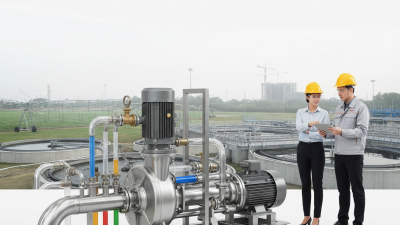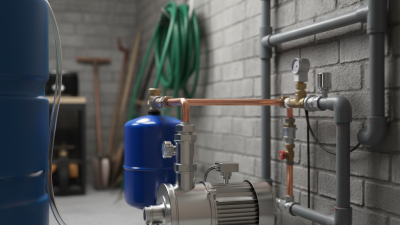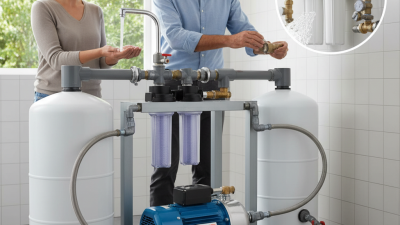
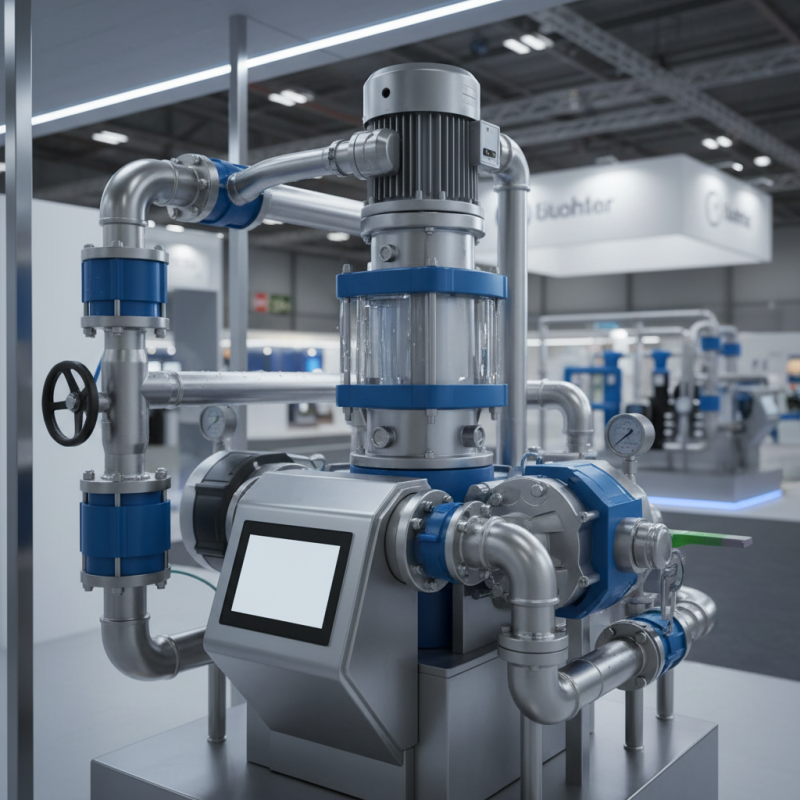
Choosing the right pressure booster pump is essential for enhancing water flow in both homes and businesses. These pumps ensure pressure stability, especially in areas with low water supply. According to market research, the global pressure booster pump market is projected to reach $16 billion by 2026, driven by urbanization and demand for efficient water systems.
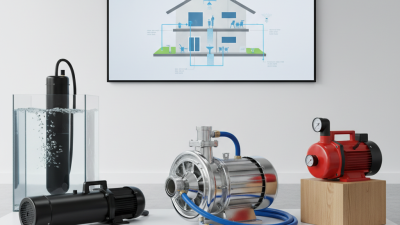
Pressure booster pumps come in various types, such as multistage and centrifugal. Each type serves unique applications and can vastly improve everyday tasks. Businesses, such as hotels and restaurants, often rely on these systems to maintain consistent water pressure for their operations. However, many consumers still overlook the importance of selecting the appropriate model for their needs, resulting in inefficiencies and potential costs down the line.
As the demand for sustainable water solutions grows, understanding the benefits of pressure booster pumps is crucial. With advancements in technology, including AI-driven selection tools and smart navigation, buyers can make informed choices. This is particularly relevant as industry events, like the 2026 Canton Fair, showcase innovations in manufacturing and provide valuable insights into optimal pump selections.
Pressure booster pumps are essential for enhancing water flow in homes and businesses. They increase pressure in water supply systems, ensuring consistent delivery. This is crucial in areas where municipal supply is weak. According to a recent industry report, nearly 30% of buildings face low water pressure issues. This statistic highlights the importance of addressing pressure water needs effectively.
Without proper pressure, faucets and showerheads may deliver inadequate water flow. This can be frustrating and lead to inefficiencies. Installing a pressure booster pump can significantly improve your water experience. It is a long-term investment for better functionality. However, the wrong type of pump may create more problems than solutions.
Tips: Always assess your water system before choosing a pump. Identify pressure levels and flow rates you need. This information will guide you in selecting the right model. Regular maintenance is also crucial. A neglected pump can lead to reduced performance. Watch for unusual noises. Such signs indicate the pump needs attention before a failure occurs.
| Pump Type | Max Pressure (psi) | Flow Rate (GPM) | Power Source | Ideal Use |
|---|---|---|---|---|
| Centrifugal Pump | 100 | 20 | Electric | Residential |
| Positive Displacement Pump | 150 | 15 | Diesel | Commercial |
| Submersible Pump | 120 | 25 | Electric | Irrigation |
| Booster Pump | 200 | 30 | Electric | High-Pressure Systems |
| Jet Pump | 90 | 10 | Electric | Wells |
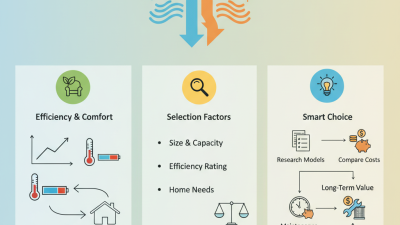
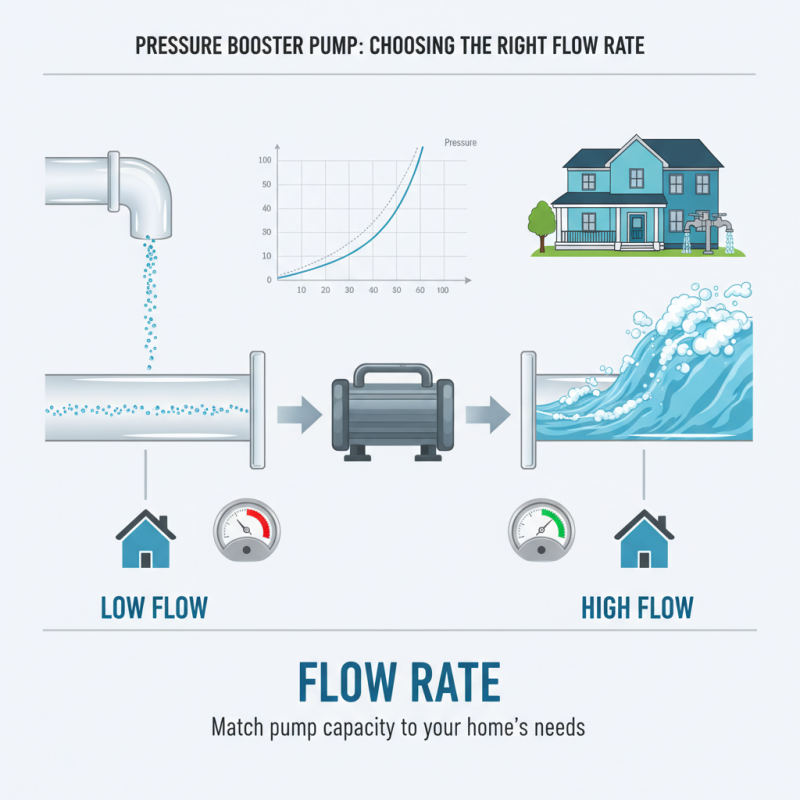
Choosing a pressure booster pump requires careful consideration of several key features. First, look at flow rate. This indicates how much water the pump can move. A higher flow rate ensures better performance, especially for larger homes. However, too much flow can cause disruptions. It's crucial to match the pump's capacity to your specific needs.
Another essential feature is the pump's pressure level. Different applications demand varying levels of pressure. For example, a system for a multi-story building needs more pressure. Noise levels cannot be overlooked either. Some pumps are quieter than others. A noise level suitable for your environment can enhance comfort.
Energy efficiency is something to think about. An energy-efficient pump can lead to cost savings over time, but initial costs may be higher. Evaluate your budget carefully. Lastly, maintenance requirements should be assessed. Some pumps are easier to maintain, while others may be complicated and time-consuming. Keeping maintenance manageable is vital for long-term satisfaction.
When choosing a pressure booster pump for your home, several models stand out in 2026. These pumps enhance water flow and pressure, making them essential for residences with low water pressure. According to industry reports, nearly 30% of households face issues related to insufficient water pressure. This makes finding an effective solution crucial.
Look for pumps with variable speed technology. These can adjust pressure based on demand, leading to energy savings. Additionally, noise levels matter. Some pumps can be quite loud, disrupting household activities. It's wise to choose models with quieter operation, though they can be pricier.
Tips: Regular maintenance extends the lifespan of your pump. Check for leaks and ensure connections are tight. Many users overlook this, leading to bigger issues down the road. Lastly, consider the installation space. Pumps require adequate ventilation and room for repairs. Investing in a quality pressure booster pump can improve water reliability for both everyday tasks and your business needs.
When it comes to commercial pressure booster pumps, understanding your specific needs is crucial. These pumps improve water pressure in various settings, from hotels to manufacturing facilities. A report by the International Water Association indicates that water pressure issues account for up to 30% of operational inefficiencies. Choosing the right pump can significantly reduce downtime and maintenance costs.
Performance is key. A pump's flow rate and pressure boost capability should meet the requirements of your facility. For instance, commercial environments often demand at least 50 gallons per minute to function optimally. Research shows that inadequate pressure can lead to decreased customer satisfaction. It's simple: if the water isn’t flowing, the business isn’t thriving.
Moreover, energy efficiency is critical. According to a study by the Energy Efficiency Council, selecting a pump with better energy ratings can lower costs by nearly 20% annually. However, many businesses overlook this aspect. They tend to focus solely on initial costs, often missing long-term savings. Evaluating your energy needs and understanding pump efficiencies can lead to better investments. Making informed choices can enhance performance and save money in the long run.
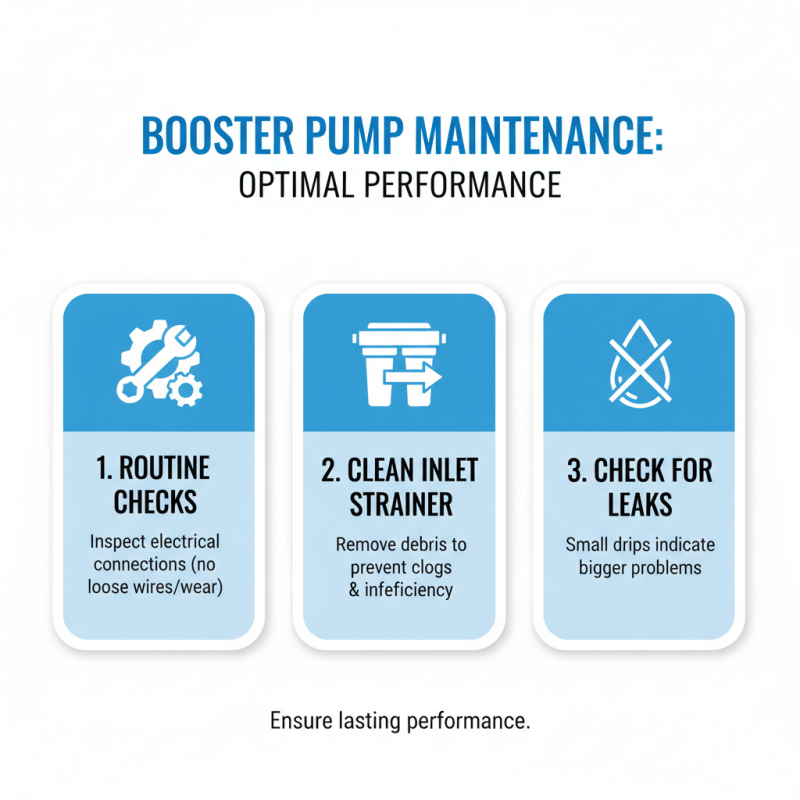
Maintaining a booster pump is crucial for lasting performance. Start with routine checks. Inspect all electrical connections. Look for loose wires or signs of wear. Regularly clean the inlet strainer. Debris can clog the system, causing inefficiency. Remember to check for leaks. Even a small drip can indicate a bigger problem.
Water quality matters too. Hard water can build up minerals inside the pump over time. Consider installing a water softener if necessary. Monitor the pressure gauge regularly. A significant drop may signal an issue needing immediate attention. Also, listen closely. Unusual noises can point to mechanical problems. Address them before they escalate.
Lastly, keep the area around the pump clear. Dust and debris can accumulate quickly. Unrestricted airflow is vital for cooling. You might overlook these details, but they matter. Taking small steps can prevent costly repairs. Regular maintenance pays off in the long run, ensuring your booster pump works efficiently when you need it most.
sale@harbertpump.com,
sale@harbertpump.com