What are the Best HVAC Pumps for 2026?
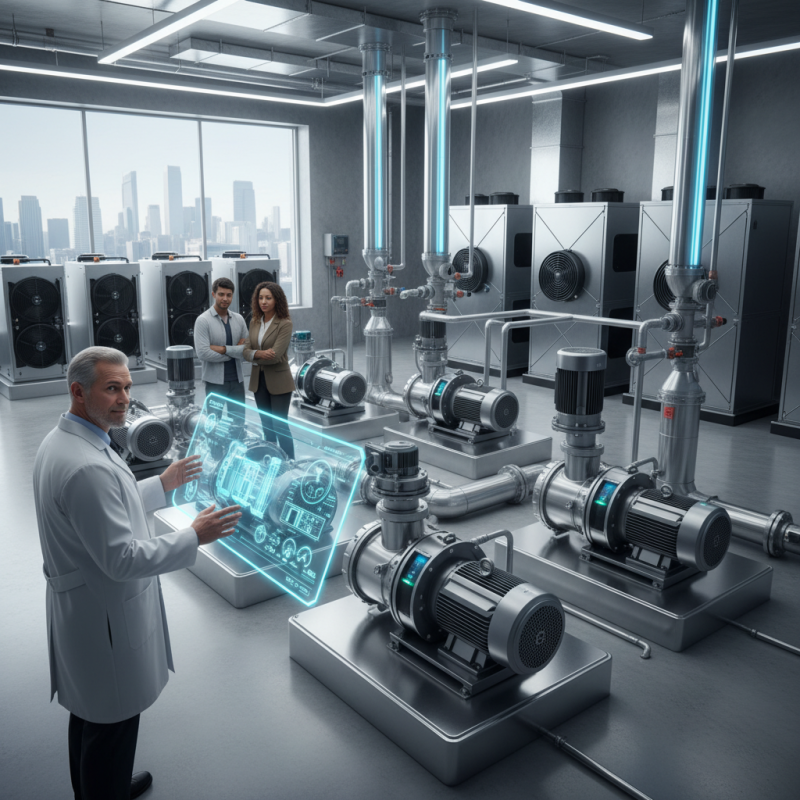
As we look towards the future, the HVAC pump industry is evolving rapidly. Experts are gearing up for 2026, seeking the best options available. Michael Thompson, a well-known HVAC specialist, states, "Choosing the right HVAC pump can elevate system efficiency." His insights reinforce the importance of making informed decisions.
Many homeowners are overwhelmed by choices. The variety of HVAC pumps on the market can be confusing. Some pumps promise energy savings and others focus on durability. This landscape can leave room for mistakes. Selecting the wrong pump might lead to inefficiencies and higher costs.
Attention to detail is crucial in this industry. The right HVAC pump should match your specific needs. It requires balancing budget constraints with performance expectations. With so many options, careful research is essential. The best pump will not only enhance comfort but also reduce energy bills.
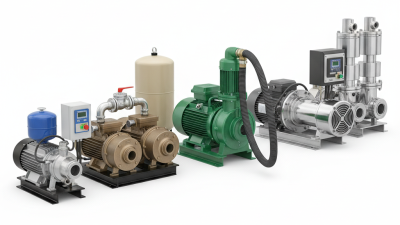
Overview of HVAC Pumps: Types and Functions
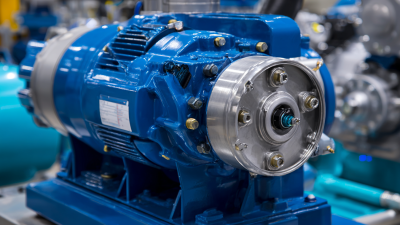
HVAC pumps play a crucial role in the heating, ventilation, and air conditioning systems.
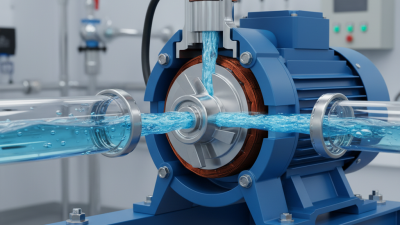
They circulate fluids like water or refrigerants to transfer heat. There are several types of pumps designed for specific applications.
Circulating pumps are common in hydronic systems. They ensure hot or chilled water flows through the system efficiently.
Other types include sump pumps, which remove excess water from basements or crawl spaces.
Each pump type has distinct functions and features. For example,
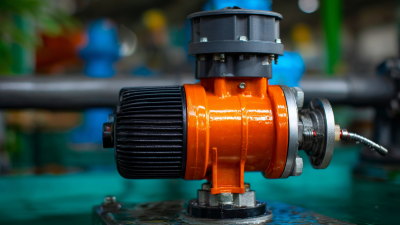
submersible pumps operate underwater, usually in basements. They are great for managing flooding.
In contrast, booster pumps increase water pressure, ensuring adequate flow in larger systems. It's important to assess your specific needs before choosing a pump.
Sometimes, the wrong pump can lead to reduced efficiency.
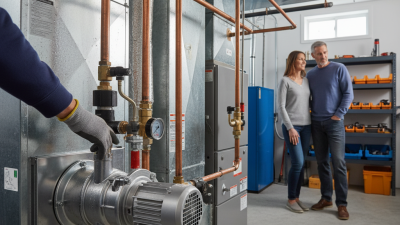
Maintenance is also crucial for optimal performance. Regular checks can prevent breakdowns and extend the pump's lifespan.
Some systems may require upgrades or replacements to meet growing demands. Finding the right balance between performance and energy efficiency can be challenging.
Investing time in understanding different pump types pays off in the long run.
Top Rated HVAC Pumps for 2026: Reviews and Comparisons
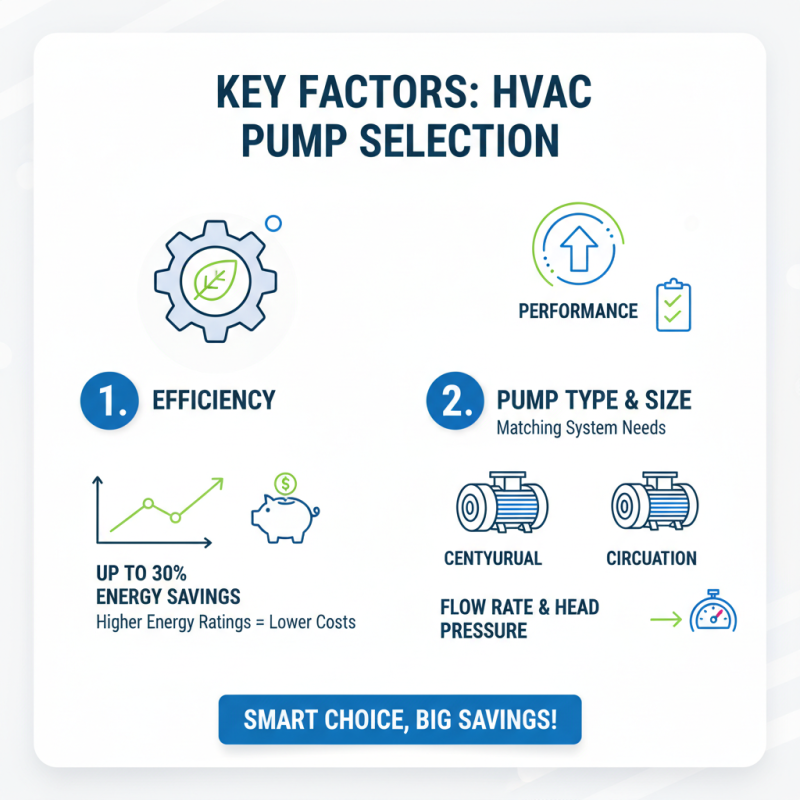
When selecting HVAC pumps for 2026, several factors come into play. Efficiency is crucial. A pump needs to provide optimal performance without consuming excessive energy. This balance ensures lower utility bills while maintaining home comfort.
Capacity and compatibility are also essential. Not all pumps fit every system. Homeowners should evaluate their needs carefully. A small pump can struggle with larger systems. Conversely, an oversized pump may cycle on and off too often, reducing its lifespan.
Additionally, noise levels deserve attention. A quiet pump ensures a serene environment. High noise can be disruptive. Look for specifications that indicate sound levels. A thorough comparison of features aids in making an informed decision. It can be hard to choose the right option, but taking time yields better results.
Energy Efficiency Standards for HVAC Pumps in 2026
As energy efficiency regulations tighten, HVAC pumps face new standards in 2026. The U.S. Department of Energy (DOE) anticipates significant changes aimed at reducing energy consumption. The goal: a 20% increase in efficiency for most HVAC equipment.
Research shows that HVAC systems often account for over 40% of a building's energy use. Increasing energy efficiency is no longer optional; it is essential. For instance, a report from the American Council for an Energy-Efficient Economy estimates that improved pumps could save residential consumers $1.2 billion annually by 2030.
These new standards also highlight the need for smarter technology. Many pumps will need to integrate with building management systems. However, manufacturers face challenges adapting quickly to these changes. The current supply chain issues could delay the rollout of more efficient models. Ultimately, the push for efficiency in HVAC pumps will require further innovation and potentially rethink our reliance on older systems.
Future Trends in HVAC Pump Technology and Design
As HVAC technology evolves, pump systems play a crucial role in efficiency and sustainability. Recent industry reports suggest that the global HVAC pump market is projected to grow at a rate of 5.4% annually through 2026. This growth highlights the increasing demand for energy-efficient solutions that can reduce operational costs.
Innovative designs are emerging. Variable speed pumps, for instance, adjust flow rates based on real-time demand. This feature can minimize energy consumption by up to 30%. Such advancements are necessary, given that traditional systems often waste significant energy. One report notes that outdated pumps account for nearly 15% of total energy usage in commercial buildings. It's clear that manufacturers must rethink their designs.
However, challenges persist. The integration of smart technology in HVAC pumps is still in its infancy. Many systems lack interoperability and require extensive retrofitting. Additionally, the transition to eco-friendly materials is slow. Concerns over performance and costs often hinder this progress. These issues need addressing, as the industry moves toward more sustainable and efficient solutions for future generations.
What are the Best HVAC Pumps for 2026? - Future Trends in HVAC Pump Technology and Design
| Pump Type |
Flow Rate (GPM) |
Energy Efficiency (SEER) |
Noise Level (dB) |
Smart Features |
| Submersible Pump |
20 |
16 |
60 |
Yes |
| Centrifugal Pump |
25 |
18 |
65 |
No |
| Positive Displacement Pump |
15 |
20 |
50 |
Yes |
| Magnetic Drive Pump |
30 |
22 |
55 |
Yes |
| Diaphragm Pump |
10 |
15 |
40 |
No |