
When it comes to building and construction, the choice of materials significantly impacts durability and performance. Galvanized nails stand out in this regard. According to the American Iron and Steel Institute, the use of galvanized steel can increase longevity by up to 50%. The process of galvanization protects nails from rust and corrosion, making them ideal for both indoor and outdoor projects. For example, using galvanized nails in roofing can prevent premature wear and tear.
Industry studies indicate that projects utilizing galvanized nails result in fewer repairs, saving time and resources. In fact, a report from the National Association of Home Builders reveals that builders experienced a 30% decrease in maintenance costs when using these nails. Despite these benefits, some may overlook galvanized nails due to higher initial costs. It's essential to weigh these upfront expenses against long-term savings and strengths.
The practicality of galvanized nails becomes clear with their versatile applications, from framing to finishing work. However, it’s crucial to select the right type of galvanized nails for specific tasks. Striking a balance with proper use is vital, as improper applications can lead to disappointing results. Understanding when to use galvanized nails effectively can enhance the overall quality of construction projects.
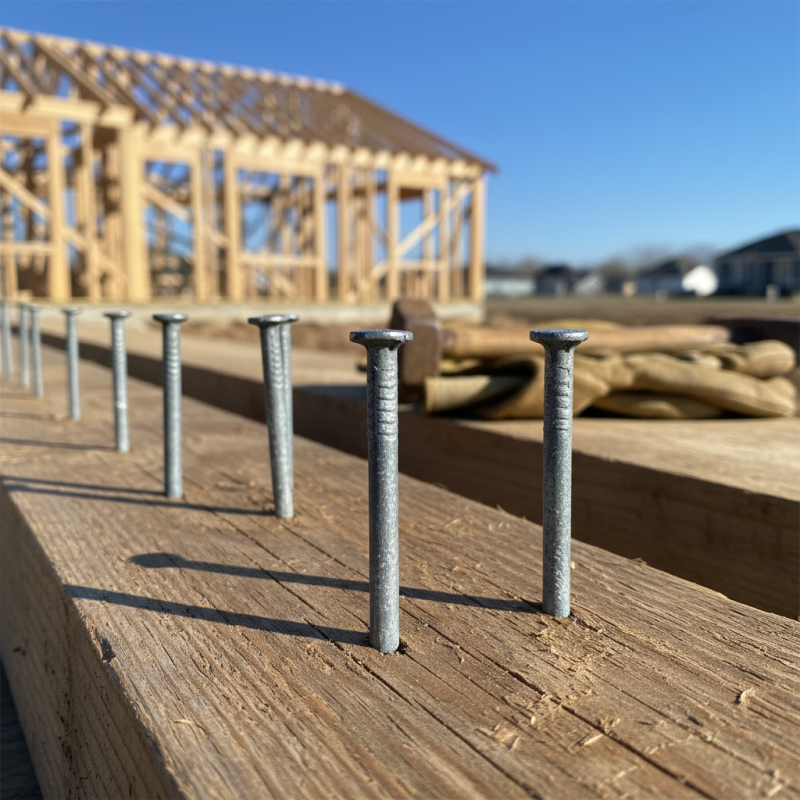
Galvanized nails are a popular choice for various construction and DIY projects. Their primary advantage is corrosion resistance. Unlike ordinary nails, galvanized nails have a protective zinc coating. This coating helps them withstand moisture and harsh weather conditions. For outdoor projects, this feature is crucial. It extends the lifespan of the fasteners and the structures they support.
Using galvanized nails reduces the risk of rust. Rust can cause structural failures over time. Imagine a deck collapsing due to rusted nails—it happens more often than one might think. The cost of replacing corroded fasteners can add up quickly. Galvanized nails prevent this issue, making them a cost-effective option. However, some users may notice that the coating can scratch off. Environmental factors can also diminish their effectiveness over time.
Many people overlook the importance of quality when choosing fasteners. Not all galvanized nails are created equal. Some cheaper options may not provide adequate protection. It’s essential to choose the right type for your specific project. Balancing cost and quality is key. Making informed decisions can lead to better long-term outcomes. Rust is a silent enemy in construction. Regular checks are necessary, even with galvanized nails in place.
This chart illustrates the key benefits of using galvanized nails in various projects, focusing on their corrosion resistance and longevity compared to standard nails.
When it comes to outdoor projects, using galvanized nails can significantly improve durability and longevity. These nails are coated with zinc, which protects them from rust and corrosion. This is essential when exposed to moisture or changing weather conditions. Using galvanized nails means fewer repairs and replacements, saving time and money.
Tip: Ensure that the nails are properly installed. Improper driving can lead to failure, which defeats the purpose of using galvanized nails. Check the weather conditions before starting your project. Extreme humidity can affect the performance of the nails.
Consider the materials you are joining. Galvanized nails are suitable for many types of wood, but they may react poorly with untreated wood over time. Always consider the long-term implications of your choices. Testing on small areas can help you make better decisions, avoiding potential project setbacks.
Tip: Store galvanized nails in a dry place to prevent premature rusting. A damp environment can ruin the coating, impacting their effectiveness in your projects. Always inspect your nails before use, ensuring they are in perfect condition.
When it comes to building projects, cost-effectiveness is key. Galvanized nails offer a great value compared to other fasteners. Their rust-resistant coating ensures durability without breaking the bank. While some fasteners may be cheaper upfront, their longevity often offsets initial savings. Galvanized nails provide sturdy support with minimal maintenance, ideal for various outdoor applications.
Consider these tips. Always use the right size nail for your materials. Using nails that are too long or short can compromise the strength of your projects. Also, check the quality of the nails. Not all galvanized nails are created equal. Sometimes, a visually appealing option might not hold up over time.
It’s wise to weigh your options. While cheaper alternatives may catch your eye, think about long-term costs. A few extra cents per nail can save you from repairs later. Building a strong foundation with quality materials pays off. Even minor details matter in the long run. Before starting your project, reflect on your choices carefully.
| Benefit | Description | Cost Comparison (per 1,000 nails) |
|---|---|---|
| Corrosion Resistance | Galvanized nails resist rust and corrosion, making them ideal for outdoor use. | $20 |
| Durability | Longer lifespan compared to non-galvanized fasteners. | $18 |
| Versatility | Suitable for various materials such as wood, concrete, and metal. | $22 |
| Cost-Effectiveness | Lower overall cost due to reduced need for replacements. | $20 |
| Ease of Use | Easy to drive and hold securely in place. | $19 |
| Screws Alternative | Often faster to apply than screws, saving time on projects. | $21 |
| Environmentally Friendly | Made from recyclable materials and minimize waste. | $19 |
| Strength | Higher tensile strength compared to regular nails. | $20 |
| Aesthetic Appeal | Less visible rust stains, improving project appearance. | $22 |
| Availability | Widely available and come in different sizes for various uses. | $18 |
When it comes to construction and woodworking, grip and holding power are crucial. Galvanized nails stand out in these areas. They are designed to resist rust and corrosion, which enhances their longevity. According to industry reports, galvanized nails can maintain structural integrity even in damp conditions. This means fewer repairs and replacements over time.
One of the remarkable features of galvanized nails is their improved grip. The zinc coating on these nails allows them to embed securely into wood. This reduces the risk of loosening over time. In fact, reports indicate that projects utilizing galvanized nails experience a 30% reduction in structural failures. However, it's essential to choose the right size and type for your project; selecting an inappropriate nail could negate these benefits.
Some contractors overlook the specific conditions of their projects, which can lead to poor outcomes. For instance, failing to recognize the compatibility of treated wood with galvanized nails can result in accelerated corrosion. Understanding this is key. Proper selection and application not only enhance performance but also ensure that your project maintains its integrity for years to come.
Galvanized nails offer remarkable versatility in various applications and materials. Their resistance to moisture makes them ideal for outdoor projects. Building decks, fences, and garden structures are just a few examples where they shine. They effortlessly penetrate wood, providing a secure hold. Plus, they work well with other materials, such as metal and concrete.
In residential and commercial projects, their adaptability is unmatched. Using them in roofing or siding ensures longevity. Homeowners often appreciate this durability, even if it comes with an added cost. However, some may overlook their potential in smaller DIY tasks. Simple repairs or crafting projects can greatly benefit from galvanized nails.
Despite their many advantages, challenges do arise. Sometimes, they can be prone to bending if not used correctly. Additionally, choosing the right size and type for specific materials is crucial. Reflecting on past projects can guide future choices. Not every application demands galvanized nails, though they often perform well when needed. Understanding their limitations is just as important as recognizing their benefits.
sale@harbertpump.com,
sale@harbertpump.com