Submersible pumps have become essential tools in various industries across the globe. Their design allows them to operate efficiently underwater, making them ideal for diverse applications. From agricultural irrigation to wastewater management, the versatility of submersible pumps is unmatched.
These pumps are often preferred for their ability to handle different types of fluids. They are powerful, durable, and can save significant energy compared to other pumping solutions. Many users appreciate the reduction in noise levels, as submersible pumps operate quietly beneath the surface. However, not all submersible pumps are created equal; quality varies widely among manufacturers.
Buyers must consider their specific needs when selecting a submersible pump. While many options are available, evaluating factors like efficiency, materials, and maintenance is crucial. Ultimately, making an informed choice leads to better performance and reliability, ensuring that those crucial tasks are handled smoothly.
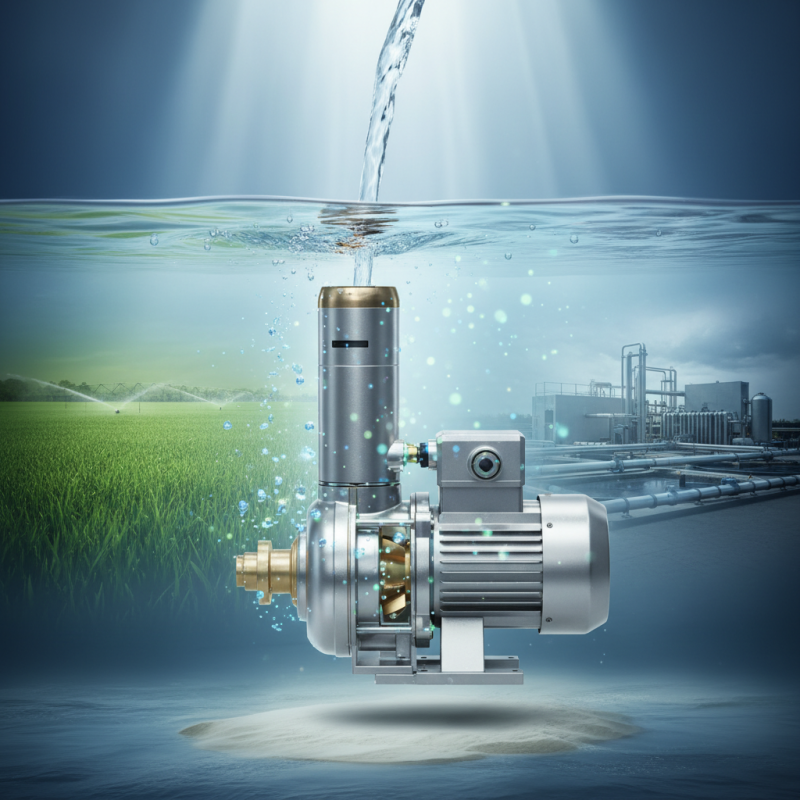
Submersible pumps have transformed fluid handling applications across various industries. These pumps operate underwater, which makes them efficient for both residential and industrial settings. Their design contributes to reduced energy consumption. They draw fluids directly from the source, minimizing the need for extensive piping systems. This feature can greatly enhance operational efficiency.
Maintenance is another critical aspect to consider. While submersible pumps often require less routine upkeep, they can be a hassle to service if they fail. Proper installation is pivotal to ensure their longevity. Buyers must be vigilant about quality during purchase. Understanding specific needs is essential for selecting the right pump. Oversizing or undersizing can lead to energy waste and system inefficiencies.
Moreover, the adaptability of submersible pumps stands out in diverse applications. They can handle a variety of fluids, such as water, sewage, and chemicals. This versatility allows them to be employed in construction, agriculture, and municipal services. However, not all submersible pumps are created equal. It's vital to evaluate specifications and operational environments carefully.
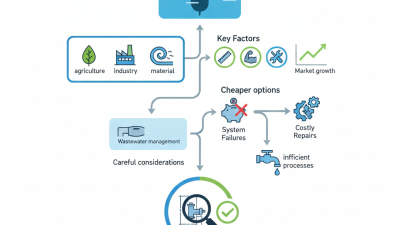
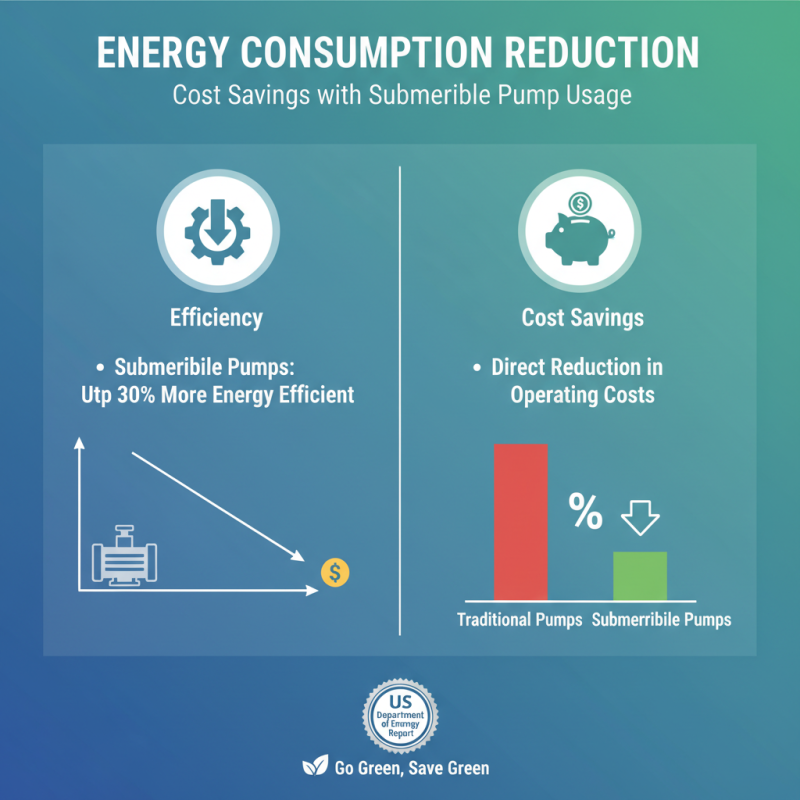
Submersible pumps are increasingly favored for their efficiency. One of the most notable benefits is their ability to reduce energy consumption. According to a report by the U.S. Department of Energy, submersible pumps can improve energy efficiency by up to 30% compared to traditional pumps. This significant reduction translates directly into cost savings for buyers.
Energy-efficient submersible pumps minimize the operational costs associated with water extraction and drainage. They operate underwater, reducing friction losses, which enhances their overall performance. A recent study indicated that businesses could save an estimated $1,200 annually per pump in energy costs. These savings are especially crucial for industries relying heavily on water management.
Tip: Regular maintenance of pumps can further enhance energy savings. Inspecting and cleaning pumps helps avoid efficiency losses. Consider investing in sensors to monitor energy usage. Such proactive measures ensure your system operates at peak efficiency.
While submersible pumps offer numerous advantages, they can have installation complexities. Careful planning is necessary to avoid potential pitfalls. Understanding the local environment and water table levels is essential before making investment decisions. Proper training is also crucial for operators to maximize pump performance.
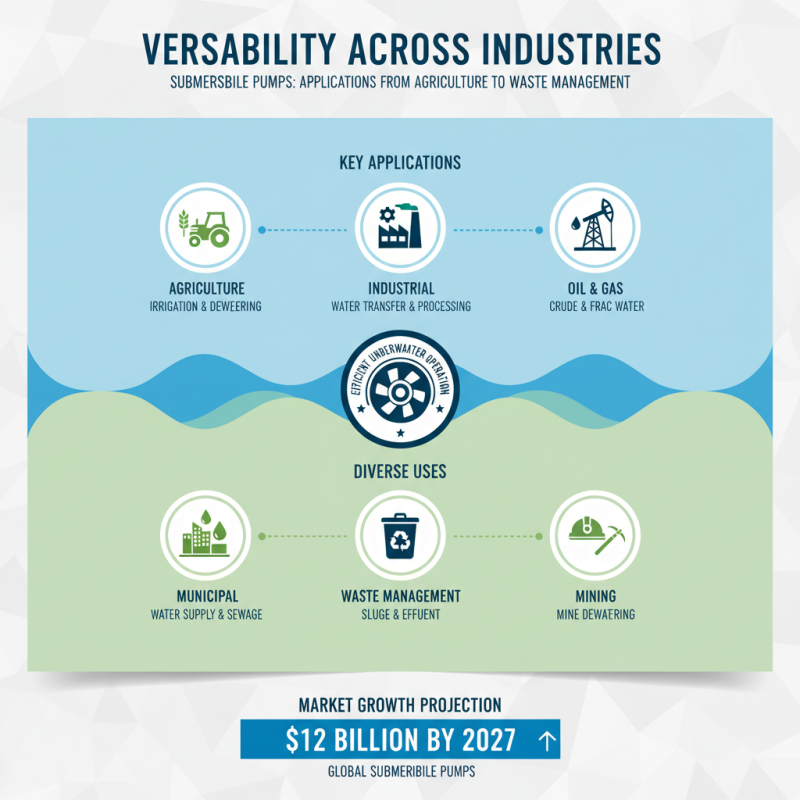
Submersible pumps are essential across multiple industries, ranging from agriculture to waste management. Their design allows for efficient underwater operation, making them ideal for diverse applications. According to the Global Submersible Pumps Market Report, the sector is projected to reach $12 billion by 2027. This growth highlights the increasing reliance on these devices.
In agriculture, submersible pumps are used to extract groundwater for irrigation. This method significantly improves water efficiency, essential given the UN's prediction that global water demand will increase by 55% by 2050. Farmers benefit greatly from the ability to automate these systems, leading to labor savings and optimized water usage.
For waste management, submersible pumps help transport wastewater and slurry. They are vital in maintaining clean water systems. The Environmental Protection Agency states that effective wastewater management is crucial in preventing pollution and promoting public health. However, users must consider maintenance challenges. Regular inspections are required to ensure reliability. Neglect can lead to operational failures, which could be costly. In essence, while submersible pumps create significant advantages, they demand careful oversight to maximize their benefits.
Submersible pumps play a vital role in ensuring safety during fluid disposal operations. Enhanced safety features minimize risks effectively, which is crucial in various industries. For instance, a report from the Environmental Protection Agency (EPA) indicates that improper fluid disposal can lead to severe environmental hazards and legal repercussions. Thus, investing in submersible pumps with advanced safety mechanisms is essential.
These pumps are designed to operate efficiently underwater. They are equipped with protection against overheating and mechanical failures. According to a study by the American Society of Mechanical Engineers (ASME), submersible pumps significantly reduce the chance of spills during fluid transfer. This translates to fewer accidents and safer work conditions. Operators can focus on their tasks without constantly worrying about potential hazards.
Submersible pumps are essential in many applications, known for their ability to operate efficiently underwater. One significant aspect of these pumps is their longevity. Designed with durable materials, they can withstand harsh conditions, extending their operational life. Quality construction often incorporates corrosion-resistant features, making them suitable for various environments.
Maintenance is crucial for maximizing the lifespan of submersible pumps. Regular inspections can catch potential issues early. Simple tasks, such as cleaning filters, can prevent more significant failures. However, many users overlook these routine checks. Neglecting upkeep can lead to costly repairs and downtime.
Understanding the operational conditions is also vital. Poor installation can affect durability. Ensure proper placement to avoid excessive wear. Education on correct usage contributes to enhancing the pump's efficiency. Users often underestimate the impact of environmental factors on performance. Considering these elements can make a significant difference in longevity.
| Benefit | Description | Impact on Longevity |
|---|---|---|
| Durability | Built with robust materials to withstand harsh conditions. | Enhanced lifespan due to material resistance. |
| Reduced Maintenance | Fewer parts exposed to wear and tear, leading to lower maintenance needs. | Less frequent repairs prolong overall pump life. |
| Energy Efficiency | Designed for optimal performance, reducing energy consumption. | Lower energy costs extend pump operational lifespan. |
| Versatility | Suitable for a variety of applications from dewatering to irrigation. | Adaptability can prevent premature failure. |
| Corrosion Resistance | Manufactured with materials that resist corrosion in water and chemicals. | Significantly increases the lifespan by preventing rust and decay. |
| Compact Design | Easy to install in restricted spaces, reducing mechanical stress. | Less strain on components contributes to longer life. |
| High Reliability | Designed for consistent performance in critical applications. | Minimized risk of breakdown increases operational longevity. |
| Quiet Operation | Designed with noise-reduction features, enhancing user comfort. | Lower mechanical stress and wear extend life. |
| Easy to Handle | Lightweight and portable models enhance usability. | Ease of transport and installation prevents damage. |
| Cost-Effectiveness | Initial investment returns high efficiency and durability. | Long term savings on maintenance & energy. |
sale@harbertpump.com,
sale@harbertpump.com