Top 10 Benefits of Using Nose Nasal Strips for Better Sleep
Many people struggle with sleep troubles. Often, these issues stem from nasal congestion or restricted airflow. In this context, Nose Nasal Strips can be a game-changer for improving sleep quality. These simple adhesive strips work by physically widening the nostrils. This enhances airflow, allowing for deeper breaths while you sleep.
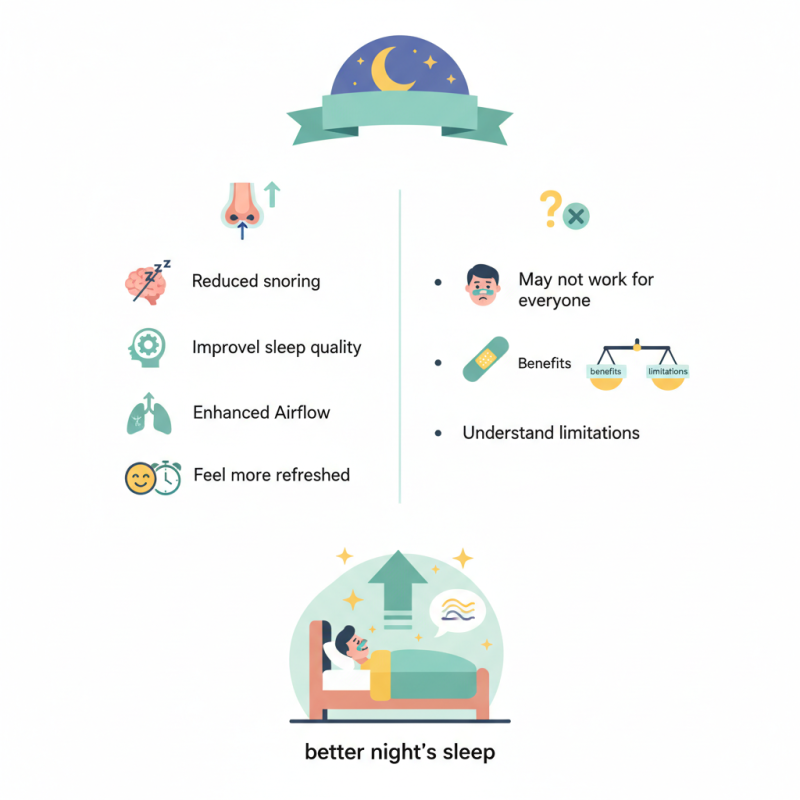
Using Nose Nasal Strips can lead to significant benefits. They can reduce snoring, which is often a disruption for partners. Improved airflow can also elevate overall sleep quality. The convenience of applying these strips makes them appealing. However, they may not work for everyone, and this variability can be frustrating. It's essential to understand their limitations as well as their benefits.
Quality sleep is vital for health, and these strips offer a non-invasive solution. With more effective breathing at night, many users find themselves feeling more refreshed. Ultimately, experimenting with Nose Nasal Strips may lead to a better night's sleep. Remember, while they can help, they are not a one-size-fits-all remedy.
Benefits of Improved Nasal Breathing During Sleep
Improved nasal breathing during sleep can greatly enhance overall sleep quality. When the nasal passages are clear, airflow increases. This allows for deeper and more restful sleep. Sleep is crucial for physical and mental health. Better breathing helps reduce snoring and sleep apnea symptoms. It also promotes relaxation and reduces stress levels.
Using nasal strips can be an effective solution. They physically support the nasal passages, preventing them from collapsing. This can help improve airflow significantly. Just a small change can lead to a big difference. You may find that you wake up feeling more refreshed. However, not everyone responds to nasal strips the same way. Some may find them
uncomfortable at first.
Here are a few tips for better sleep through nasal breathing: Ensure your sleep environment is conducive to rest. A
cool and dark room helps. Additionally, maintaining a consistent bedtime can improve sleep patterns. Experiment with sleep positions to discover what helps you breathe easier. If nasal congestion is a chronic issue, consult a healthcare professional for personalized advice.
Adjusting your nighttime routine may reveal improvements in your sleep quality.
How Nose Nasal Strips Can Reduce Snoring
Snoring can disrupt sleep for both the snorer and their partner. Studies show that approximately 40% of adult men and 24% of adult women snore regularly. This condition often leads to sleep disturbances and affects overall health. Nasal strips, which mechanically open nasal passages, provide a simple solution. They allow for better airflow, reducing snoring occurrences.
Research indicates that proper airflow can significantly minimize snoring. A study published in the "American Journal of Respiratory and Critical Care Medicine" states that improving nasal airflow can decrease snoring by up to 50%. These strips work by physically pulling open the nostrils. This action decreases nasal resistance, leading to quieter nighttime breathing. Many users report a noticeable difference in their partner's sleeping patterns after using these strips.
However, not everyone experiences the same results. Some individuals may find nasal strips uncomfortable or ineffective due to structural issues in their nasal cavities. Consulting with healthcare professionals can provide further insights. It’s crucial to consider individual anatomy and habitual factors that contribute to snoring. While nasal strips offer a solution for many, they’re not a cure-all. Adjusting sleep positions and lifestyle choices can also play a significant role in improving sleep quality.
Enhancing Sleep Quality with Nose Nasal Strips
Nasal strips are a simple yet effective solution to improve sleep quality. Many people struggle with snoring and nasal congestion at night. This can disrupt not only their sleep but also that of their partners. These strips work by gently pulling open the nostrils, allowing for better airflow. This result is often a quieter, more peaceful night’s rest.
Using nasal strips may lead to deeper, more restful sleep. When airflow is unobstructed, the body can relax more fully. This may also reduce the frequency of waking up during the night. Users often report feeling more refreshed in the morning. It's a small change that can have significant effects. However, results may vary based on individual needs and habits. Some may find that nasal strips are not a complete solution to their sleep issues.
Additionally, it’s worth considering the potential drawbacks. While nasal strips can assist with airflow, they may not address underlying issues causing snoring or congestion. Regular use could lead to dependency for some. People should explore various methods for enhancing sleep and stay informed. It's essential to combine these strips with other good sleep hygiene practices for optimal results.
Promoting Healthier Sleep Patterns
Nose nasal strips can significantly enhance sleep quality by promoting healthier sleep patterns. According to a study published in the *Journal of Clinical Sleep Medicine*, obstructed airflow can lead to fragmented sleep and daytime fatigue. These strips mechanically open up nasal passages, allowing for improved airflow. By reducing nasal resistance, users may experience deeper, uninterrupted sleep cycles, ultimately leading to relaxation and better overall health.
Tips for using nasal strips effectively: Always ensure your nose is clean and dry before application. This will enhance their adherence and performance. Some users find that wearing them for a few hours before bed helps their bodies adjust. It's important to note that while nasal strips can help, they may not work for everyone. Experimenting with different sleeping positions can also aid in maximizing their effectiveness.
In a survey conducted by the American Academy of Sleep Medicine, 71% of users reported falling asleep faster when using nasal strips. While this improvement is noteworthy, not all individuals may achieve the same results. Factors such as underlying health conditions or nasal anatomy play a crucial role. Being aware of personal limitations can help set realistic expectations for better sleep.
Top 10 Benefits of Using Nose Nasal Strips for Better Sleep
Cost-Effective Sleep Aid Options: Nose Nasal Strips
Nose nasal strips are an affordable solution for improving sleep quality. They work by mechanically widening the nostrils, enhancing airflow during sleep. Research indicates that about 22% of adults suffer from sleep-disrupting nasal congestion. This is a significant issue, as obstructed airflow can lead to snoring and interrupted sleep cycles.
Using nasal strips can be a game-changer. A study from the American Journal of Respiratory and Critical Care Medicine showed that nasal strips can reduce snoring by 25%. This reduction is vital for both the sleeper and their partner. Many users report feeling more rested and alert after just a few nights of using these strips. However, it's essential to apply them correctly for maximum effectiveness. Misapplication can diminish their benefits, leading to frustration.
A large percentage of the population continues to invest in complex sleep aids. Yet, nasal strips represent a simple, cost-effective alternative. Their affordability makes them accessible to many. Additionally, their ease of use appeals to those hesitant to explore more invasive methods. While they may not work for everyone, they offer a worthwhile option for improving sleep without significant expenditure.