
In the world of metalworking, Aluminium Casting Mold is a crucial topic. Experts emphasize its importance for efficiency and quality. John Smith, a renowned foundry engineer, states, "Choosing the right Aluminium Casting Mold is essential for a successful manufacturing process." His insight reflects years of experience in the industry.
Aluminium casting involves creating molds that shape molten aluminium into desired forms. The selection of an appropriate mold can significantly impact product quality. Factors such as the complexity of designs and expected production volume come into play. Many manufacturers face challenges in choosing the mold that best fits their needs.
Complex shapes need precise molds. However, less experienced manufacturers may underestimate this aspect. It often leads to costly mistakes. Evaluating the material and design of an Aluminium Casting Mold requires careful consideration. Those in the industry must prioritize reliability and performance. This foundational knowledge is essential for success in aluminium casting.
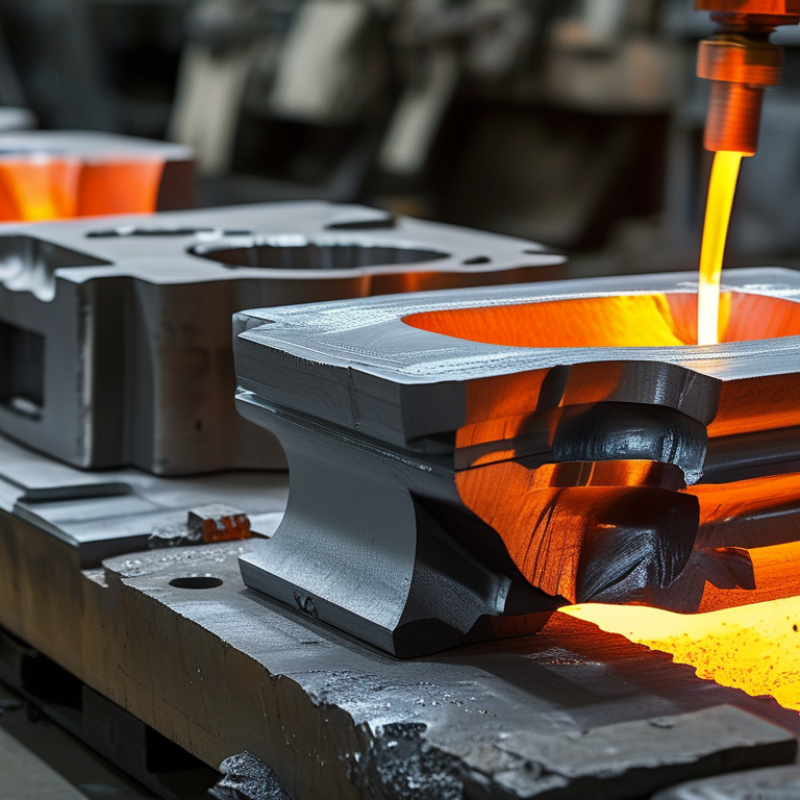
Aluminium casting molds play a critical role in various industries. They are designed to create aluminium parts through processes like sand casting, die casting, and gravity casting. These molds allow manufacturers to produce intricate shapes and high-quality components efficiently. Applications range from automotive parts to aerospace components, making them vital in sectors that demand precision.
When selecting an aluminium casting mold, several factors come into play. The mold design is essential for ensuring proper casting flow. Material choice affects durability and heat resistance. The production volume influences mold complexity and cost. Additionally, experienced engineers should analyze specific application needs. This ensures the selected mold meets performance requirements.
Yet, the process of choosing an appropriate mold is not always straightforward. Industry standards and technology continually evolve. Companies must stay informed about advancements. Not all molds will perform equally well in every scenario. Continued learning and adaptation are essential for success in aluminium casting. Understanding these challenges can lead to better outcomes in production.
| Property | Details |
|---|---|
| Material | Aluminium Alloy (e.g., A356, A380) |
| Casting Process | Sand Casting, Die Casting, Investment Casting |
| Typical Applications | Automotive, Aerospace, Electronics, Consumer Goods |
| Advantages | Lightweight, Corrosion Resistance, Good Thermal Conductivity |
| Considerations When Choosing | Casting type, Complexity, Tolerance Requirements, Production Volume |
| Common Challenges | Shrinkage, Porosity, Surface Finish Issues |
When considering aluminium casting molds, it's essential to understand the different types available. Sand casting is one of the oldest methods. It involves creating a mold from sand mixed with a binding agent. This process is cost-effective for small production runs. However, it may not provide the finest surface finish. It's effective for large and complex shapes but can lead to imperfections.
Die casting is another popular option. This method uses high pressure to inject molten aluminium into a mold. It allows for precise dimensions and smooth surfaces. Die casting is best for mass production but requires higher initial costs. The choice here is about balancing quality and expenses.
Investment casting is known for its accuracy. This technique involves creating a wax pattern, which is then coated with a ceramic shell. Once the shell hardens, the wax is melted away. This method is ideal for intricate designs and thin-walled components. However, it can be time-consuming and may not be suitable for high volumes. Each type of mold has its merits and drawbacks, requiring careful consideration based on specific project needs.
Choosing the right aluminium casting mold is crucial for successful production. Several key factors come into play. First, consider the mold material. High-quality steel or aluminum can withstand high temperatures and pressure. This choice impacts durability and product quality.
Another important factor is the design of the mold. Complex shapes require intricate designs. However, overly complicated designs can lead to higher costs and longer production times. Assess the balance between complexity and feasibility. Some designs may require modifications during the casting process, which can affect the final outcome.
Cost is also a significant consideration. While it may be tempting to choose a lower-cost option, this can backfire. Cheaper molds may wear out faster, leading to increased maintenance costs. Ensuring you factor in long-term expenses can save you money and stress. It’s crucial to weigh immediate savings against potential future costs. Balancing these various factors can lead to better decision-making and ultimately high-quality products.
When designing an aluminium casting mold, industry standards play a crucial role. Materials used in these molds must withstand high temperatures and pressures. The right alloy selection is vital for durability and performance. Common molds are made from aluminum or steel, each offering different properties. Engineers often analyze the thermal conductivity to optimize cooling rates during production.
Effective mold design includes features like adequate draft angles and precise dimensions. These elements help in the easy release of the casting. Attention to detail prevents defects like warping or incomplete fills. An experienced designer balances aesthetics and functionality. Understanding flow dynamics also improves overall quality.
Best practices encourage collaboration between designers and manufacturers. Feedback loops enhance mold performance and reduce costs over time. Regular evaluations ensure adherence to industry regulations. However, not all designs meet expectations on the first attempt. Reflection on past projects yields valuable insights. Continuous learning and adaptation are essential for success in this field.
When considering aluminium casting molds, cost and lifespan are crucial. Different types of molds vary significantly in both price and durability. For instance, sand molds are cheaper but may not last long. They are suitable for short production runs. In contrast, die-casting molds are more expensive but offer extended lifespans and higher precision.
Choosing the right mold involves analyzing your project needs. If you foresee high-volume production, investing in a more durable mold pays off. Tip: Calculate the overall production costs, not just the initial mold price. Some molds might seem costly upfront but can lead to savings over time through less frequent replacement.
While evaluating molds, reflect on their intended use. For instance, molds exposed to high heat may degrade faster. Ensure you consider material compatibility and environmental factors. Tip: Keep track of mold maintenance to extend their useful life. Regular checks can prevent unexpected failures, reducing downtime and costs.
sale@harbertpump.com,
sale@harbertpump.com