2026 Top Electric Chainsaw Features Buyers Should Know?
As the demand for sustainable and efficient tools rises, Electric Chainsaws capture significant attention. The global electric chainsaw market is projected to reach USD 700 million by 2026, reflecting a compound annual growth rate of 4.5% (ResearchAndMarkets, 2022). This growth is attributed to advancements in battery technology and a heightened focus on eco-friendly solutions.
Electric chainsaws offer numerous advantages over traditional gas-powered models. They are quieter, cleaner, and often lighter, making them user-friendly. Reports indicate that 70% of consumers prefer electric options for residential use. However, buyers should be aware of crucial features when making a selection.
Understanding these features is essential to ensure optimal performance and safety. Battery life, weight, and cutting capacity are only a few of the factors that should not be overlooked. Nonetheless, not all electric chainsaws are created equal. Some models may fall short in durability or power. Buyers must weigh their options carefully to avoid disappointment.
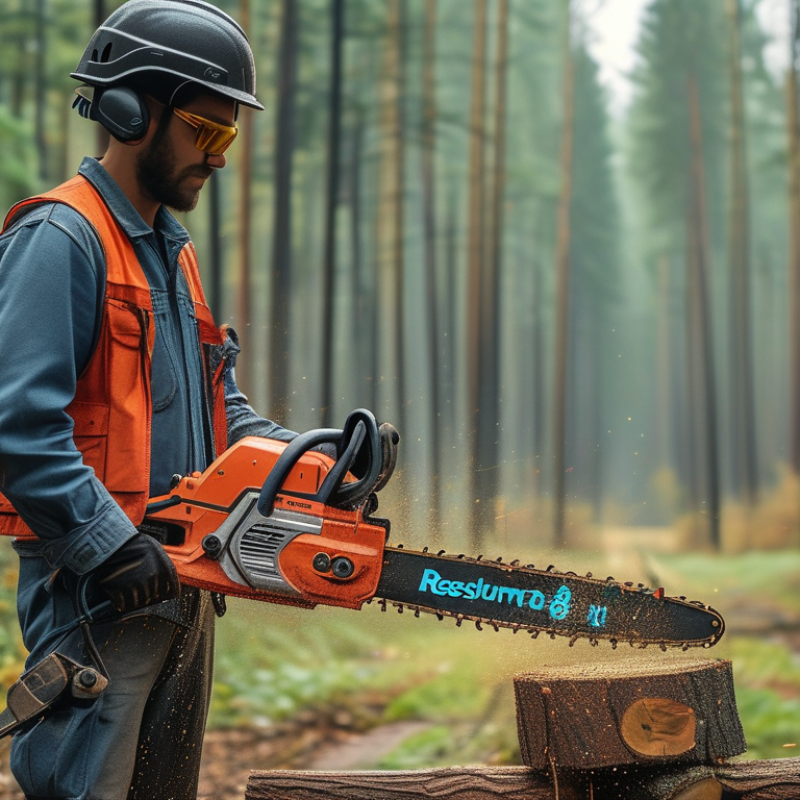
Top Electric Chainsaw Features to Consider in 2026
When selecting an electric chainsaw in 2026, certain features are essential for every buyer. Battery life is crucial. A longer runtime allows for extended use without frequent recharging. Look for models that offer at least two hours of continuous operation. This helps ensure efficiency in your tasks.
Next, consider the weight of the chainsaw. A lighter model is easier to handle, especially during prolonged use. It minimizes fatigue, enabling better control. However, a lightweight saw might compromise power. Balance is key. Many users struggle to find the perfect combination of power and portability.
Safety features are also vital. An electric chainsaw should include a chain brake. This halts the chain’s movement immediately, reducing the risk of accidents. Additionally, ergonomic designs enhance comfort, but they require careful examination. It’s worth noting that not all models provide adequate grip. Testing different options is advisable to ensure reliable performance while avoiding potential mishaps.
Battery Technology Advancements Impacting Electric Chainsaw Performance
Battery technology has seen remarkable advancements over recent years, directly affecting electric chainsaw performance. New battery chemistries offer higher energy densities, which means longer run times for users. In practical terms, this translates to fewer interruptions while you tackle outdoor projects. An upgraded battery's charge time is also a key consideration. Many now offer fast charging, allowing for quicker readiness.
However, not all advancements come without downsides. Some batteries may suffer from overheating or reduced lifespan if not properly maintained. This puts added responsibility on users to ensure they are adhering to best practices. Inspecting the battery before or after each use can prevent unexpected failures.
Electric motors are becoming more efficient and powerful. They can now deliver performance comparable to gas models. But with greater power comes the need for proper handling. Users must be aware of the tools' weight and balance. A well-designed chainsaw distributes weight evenly, yet this ideal balance can sometimes vary by model. Therefore, opting for a device that feels comfortable and balanced in hand is crucial for safety and performance.
Key Safety Features in the Latest Electric Chainsaws
When considering the latest electric chainsaws, safety features are paramount. Many models now come with automatic chain brake systems. This feature activates when kickback occurs, stopping the chain almost instantly. A chainsaw that can prevent injuries is invaluable for users, especially beginners.
Rechargeable lithium-ion batteries offer another layer of safety. They provide consistent power without the risk of harmful emissions. Noise levels are also significantly reduced, making operation less stressful. However, it’s essential to check battery life before starting a project. Running out of power mid-task can lead to hasty decisions.
Ergonomic designs are vital for comfortable handling. Look for models with anti-vibration technology. This can help minimize fatigue during prolonged use. Yet, be mindful of the chainsaw's weight. Too heavy a model can become cumbersome, affecting control. Experience shows that a balance between weight and power is crucial for efficiency. Be sure to assess capabilities before purchasing.
2026 Top Electric Chainsaw Features
Comparison of Cutting Power: Electric vs. Gas Chainsaws in 2026
As electric chainsaws gain popularity, comparing their cutting power with gas chainsaws remains crucial. Both types offer unique benefits, catering to different needs. Electric chainsaws generally provide quieter operation and less maintenance. They excel in residential use, especially for light to medium tasks. However, their cutting capacity can be less robust compared to gas models.
Gas chainsaws typically handle tougher jobs. They deliver impressive power, making them ideal for larger projects. However, these tools come with disadvantages. They are heavier and can be noisy, which might disturb neighbors. Fuel requirements also add ongoing costs. Users need to consider their specific needs carefully.
Tips: When choosing a chainsaw, think about your cutting needs. If you have small trees or occasional use, an electric model might suffice. But for frequent heavy-duty tasks, gas may be necessary. Always prioritize safety features. Comfortable grips and weight balance can significantly affect your experience. Proper maintenance is essential, regardless of type, to ensure longevity and performance.
Ergonomic Designs: Enhancing User Comfort in Electric Chainsaws
When choosing an electric chainsaw, ergonomic design is crucial for user comfort. A well-designed handle can significantly reduce strain during prolonged use. Look for features like rubberized grips, which enhance control and absorb vibrations. Lightweight models allow for easier maneuvering. Adjustable straps on battery-powered chainsaws can also improve stability.
In addition to handles, the overall weight distribution matters. Chainsaws with a balanced design are easier to manage. Users often overlook this factor. However, poor weight distribution can lead to fatigue. It's essential to test the chainsaw before purchase. Some designs may feel comfortable initially but can become cumbersome over time.
Another aspect of ergonomic design is noise reduction. It impacts user experience and comfort. Electric chainsaws tend to operate quieter than gas models, but some are specifically designed to minimize sound further. Features such as padded handles can aid in reducing vibration. These may seem minor but contribute to a more enjoyable experience. Manufacturers are becoming more aware of ergonomic importance, leading to improvements. Yet, not all models meet high standards. Always prioritize comfort and usability.
2026 Top Electric Chainsaw Features Buyers Should Know
| Feature | Description | User Comfort Benefits |
| Lightweight Design | Electric chainsaws designed to be lighter for easier maneuverability. | Reduces fatigue during extended use, improving overall handling. |
| Anti-Vibration Technology | Features that minimize vibrations while in use. | Enhances comfort and control, reducing strain on hands and arms. |
| Ergonomic Handle Design | Handles that are specifically designed to fit comfortably in the user's hand. | Provides a secure grip, leading to better handling and safety. |
| Low Noise Operation | Quiet motors to minimize noise pollution. | Allows for more pleasant working conditions and compliance with local noise regulations. |
| Adjustable Chain Tension | Easy-to-use tension adjustment features. | Ensures optimal performance and ease of maintenance, making it user-friendly. |